 Pin it
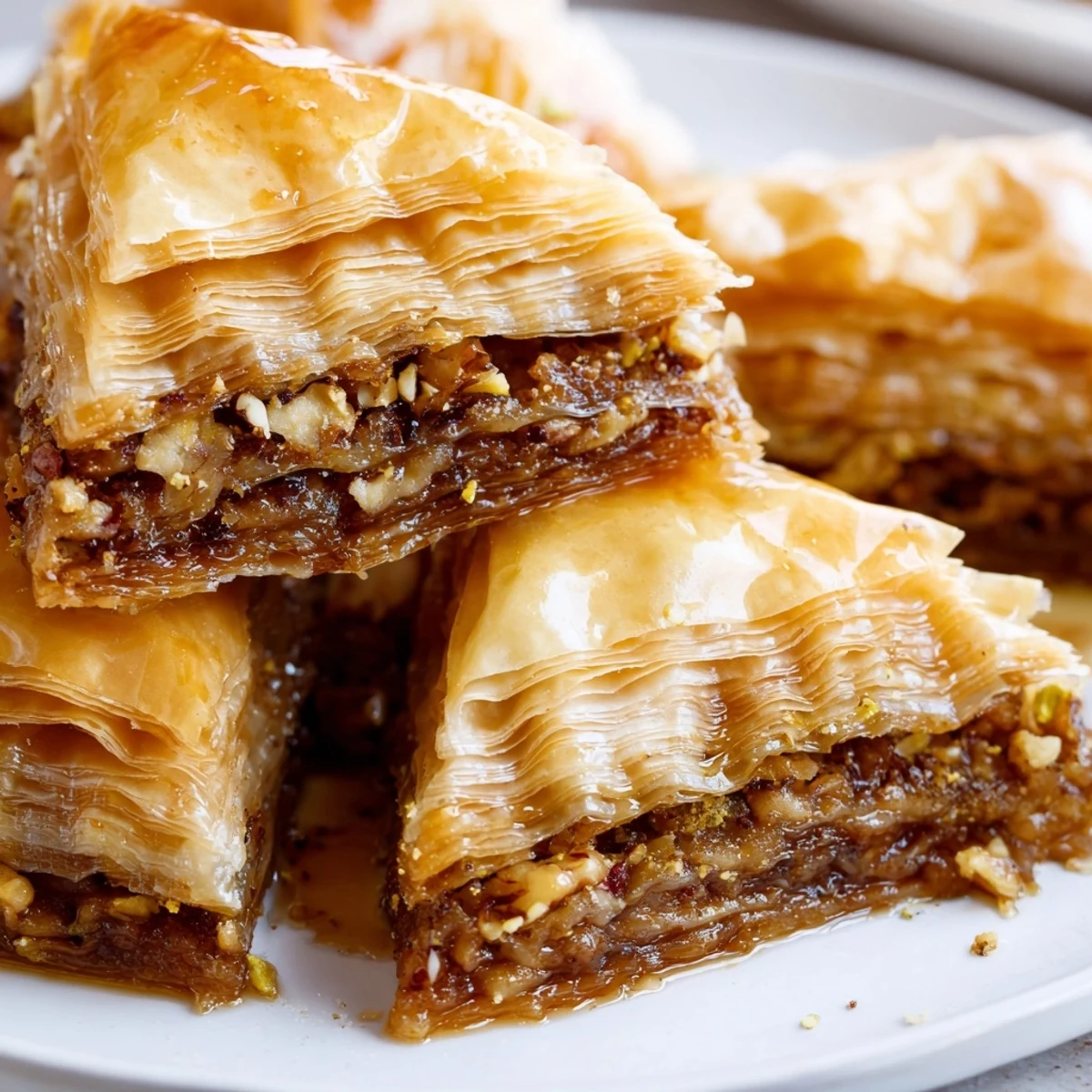
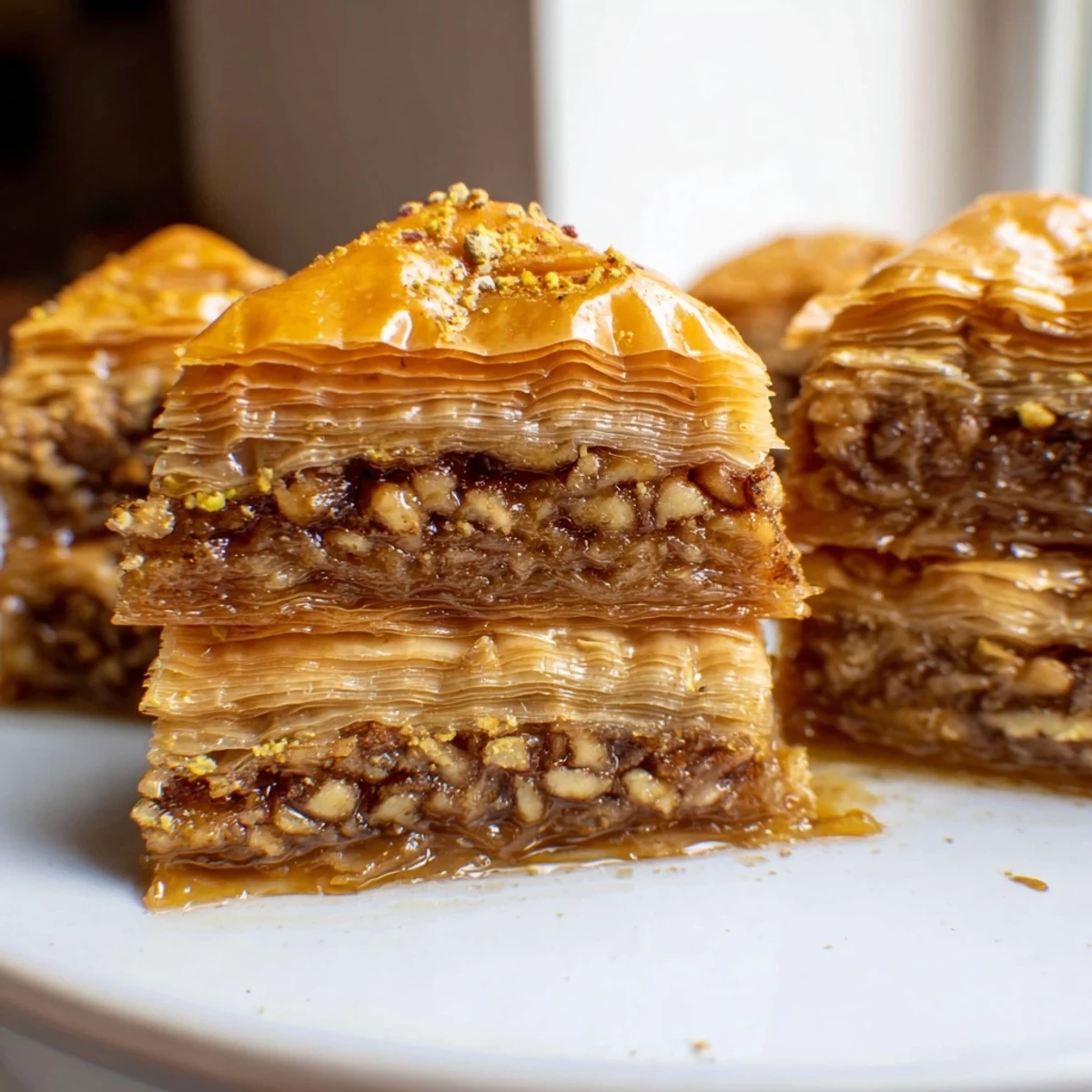
 This classic Bosnian dessert creates buttery, golden layers of phyllo dough filled with a fragrant mixture of finely chopped walnuts, almonds, and pistachios sweetened with sugar and warming spices like cinnamon and cloves. Once baked to crisp perfection, hot syrup infused with honey, lemon juice, and optional rose water is poured over the pastry, allowing it to absorb slowly as it cools. The result is a rich, indulgent treat with beautifully crisp layers that practically melt in your mouth, perfectly balanced between sweet and nutty flavors.
Last winter, my grandmother showed me how to make Bosnian baklava the way her mother taught her in Sarajevo. We spent an entire Sunday afternoon folding phyllo sheets while she told stories about neighborhood women gathering to make this dessert for Eid celebrations. The smell of butter melting into paper-thin dough filled her small kitchen, and I finally understood why this pastry has remained a centerpiece of Balkan hospitality for generations.
I brought my first batch of baklava to a dinner party where the host had just returned from visiting family in Bosnia. She took one bite and teared up, saying it tasted exactly like her aunts kitchen. That moment taught me that food carries memories across generations and borders, and that something as simple as layered pastry and nuts can connect people in ways nothing else can.
Ingredients
- Phyllo dough: Keep it covered with a damp towel while working to prevent drying and cracking
- Mixed nuts: Finely chopped nuts distribute flavor evenly, but avoid processing into a paste
- Unsalted butter: Melting it completely makes brushing easier and ensures every layer gets coated properly
- Sugar syrup: Adding honey and floral water gives that distinctive Balkan aroma you cannot achieve with sugar alone
Instructions
- Prepare your workspace:
- Preheat oven to 180°C and butter a 23x33 cm pan thoroughly while thawing phyllo according to package directions
- Mix the filling:
- Combine walnuts, almonds, pistachios, sugar, cinnamon, and cloves in a bowl until evenly distributed
- Layer the base:
- Place one phyllo sheet in the pan, brush lightly with butter, and repeat until you have 6 to 8 buttered sheets
- Add the nuts:
- Sprinkle one third of the nut mixture over the phyllo base, spreading it gently to the edges
- Build the layers:
- Add 4 to 5 more buttered phyllo sheets, then another third of nuts, then repeat with remaining phyllo and nuts
- Finish the top:
- Layer remaining phyllo sheets, buttering each one thoroughly including the very top layer
- Cut before baking:
- Use a sharp knife to cut diamonds or squares while the pastry is still unbaked to prevent crumbling later
- Bake until golden:
- Bake for 35 to 40 minutes until the top is deeply golden and the layers feel crisp when you tap the pan
- Make the syrup:
- Combine sugar, water, and lemon juice in a saucepan and boil for 8 to 10 minutes, then stir in honey and rose water
- Add the syrup:
- Pour the hot syrup slowly and evenly over the hot baklava as soon as it comes out of the oven
- Wait patiently:
- Let the baklava cool completely in the pan so it can absorb all that syrup and set properly
 Pin it
 My grandmother always said that baklava requires patience, but she never mentioned how hard it would be to wait overnight before serving. The first time I made it for my own family, I snuck a piece while it was still warm and understood immediately why she insisted on letting it rest. The next day, the flavors had married and the texture was perfect, and I finally appreciated the wisdom of letting good things take their time.
Making It Your Own
Traditional recipes call for walnuts, but I have found that swapping in hazelnuts or adding extra pistachios creates lovely variations. The key is keeping the total nut quantity the same so the layers hold their shape during baking.
Perfecting Your Technique
After making countless batches, I learned that using a pastry brush with natural bristles distributes butter more evenly than silicone ones. Gentle, sweeping strokes prevent tearing the delicate phyllo while ensuring every layer gets enough moisture to become crisp and golden.
Serving and Storing
Baklava actually improves after a day or two as the syrup continues to work its magic through all those buttery layers. I always make it the day before serving, and somehow it never lasts more than a few days in our house anyway.
- Serve small pieces, as this dessert is quite rich and meant to be savored slowly
- A cup of strong black coffee or Bosnian coffee balances the sweetness perfectly
- Store at room temperature in an airtight container, never the refrigerator, which will make the phyllo soggy
 Pin it
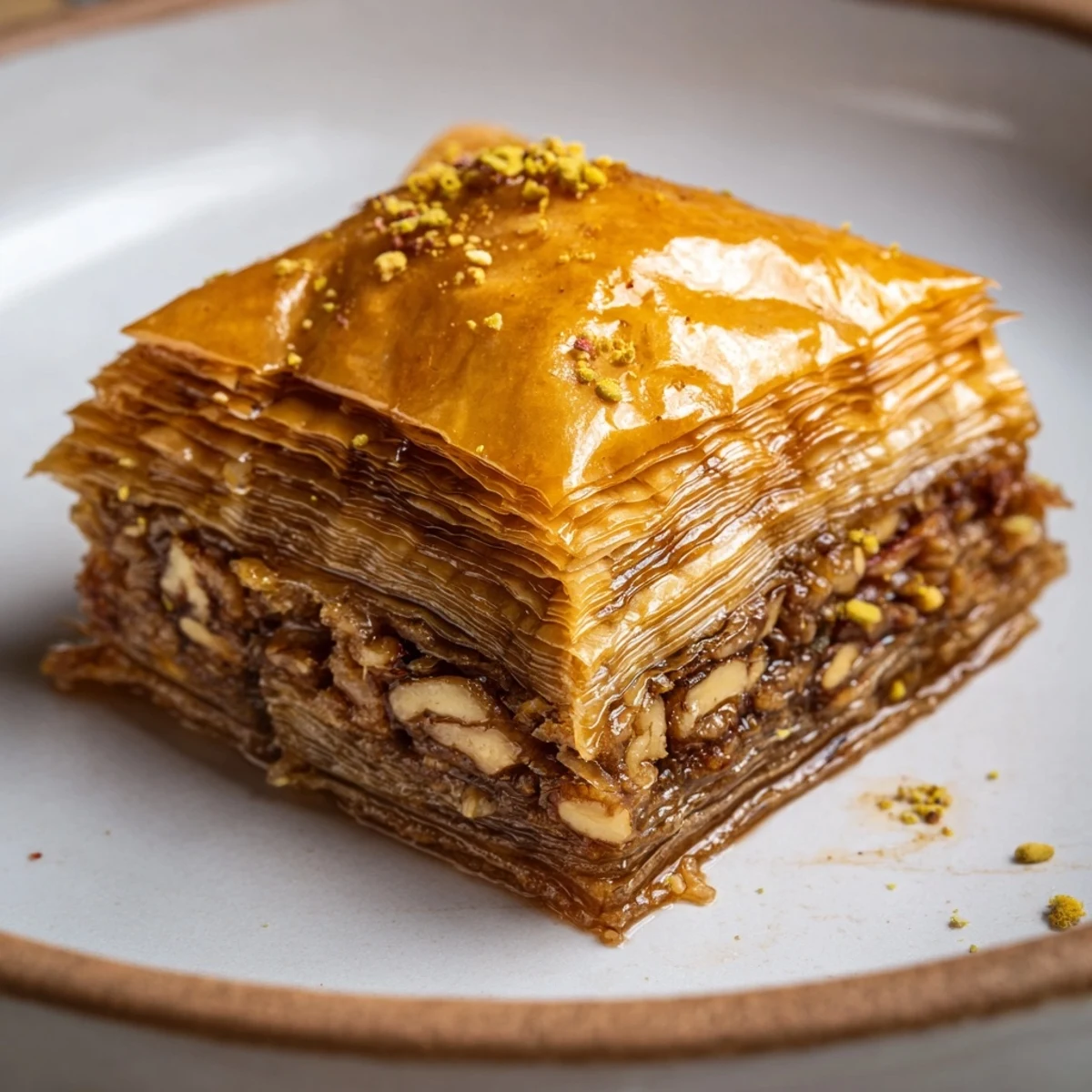
 Every time I pull a pan of golden baklava from the oven, I think of the generations of hands that have perfected this recipe before me. There is something profoundly satisfying about carrying forward a tradition that brings so much joy to so many people.
Recipe FAQs
- → How long should baklava cool before serving?
-
Allow the baklava to cool completely at room temperature for at least 3-4 hours after pouring the syrup. For best results, make it a day ahead to let the syrup fully penetrate all layers.
- → Can I use different nuts in the filling?
-
Absolutely. The traditional combination uses walnuts and almonds, but you can substitute pistachios, hazelnuts, or pecans based on preference. Keep the total nut quantity at 450g for the right texture.
- → Why is my baklava soggy instead of crisp?
-
Soggy baklava usually results from pouring cold syrup onto hot pastry, or not baking long enough. Ensure both the syrup and baklava are hot when combining, and bake until deep golden brown for proper crispness.
- → Should I cover the phyllo while working?
-
Yes. Keep unused phyllo covered with a damp cloth or plastic wrap to prevent drying out. Dry phyllo becomes brittle and difficult to layer, leading to uneven texture in the finished pastry.
- → How do I store leftover baklava?
-
Store in an airtight container at room temperature for up to one week. The layered structure holds up well, and the flavors continue to develop over time. Avoid refrigerating as this can make the phyllo lose its crispness.
- → What's the purpose of lemon juice in the syrup?
-
Lemon juice balances the sweetness and helps prevent the sugar from crystallizing. It also adds subtle brightness that complements the rich nuts and buttery phyllo, creating a more complex flavor profile.