 Pin it
 Préparez une pâte sablée croustillante en sablant le beurre dans la farine, laissez reposer 30 min puis cuisez à blanc jusqu'à légère coloration. Réalisez une crème pâtissière vanillée en chauffant le lait, en incorporant jaunes, sucre et maïzena, puis le beurre. Garnissez l'abaisse refroidie, disposez des fraises fraîches et nappez d'un voile d'abricot. Réfrigérez 1 heure avant service; ajoutez du zeste de citron pour une touche acidulée.
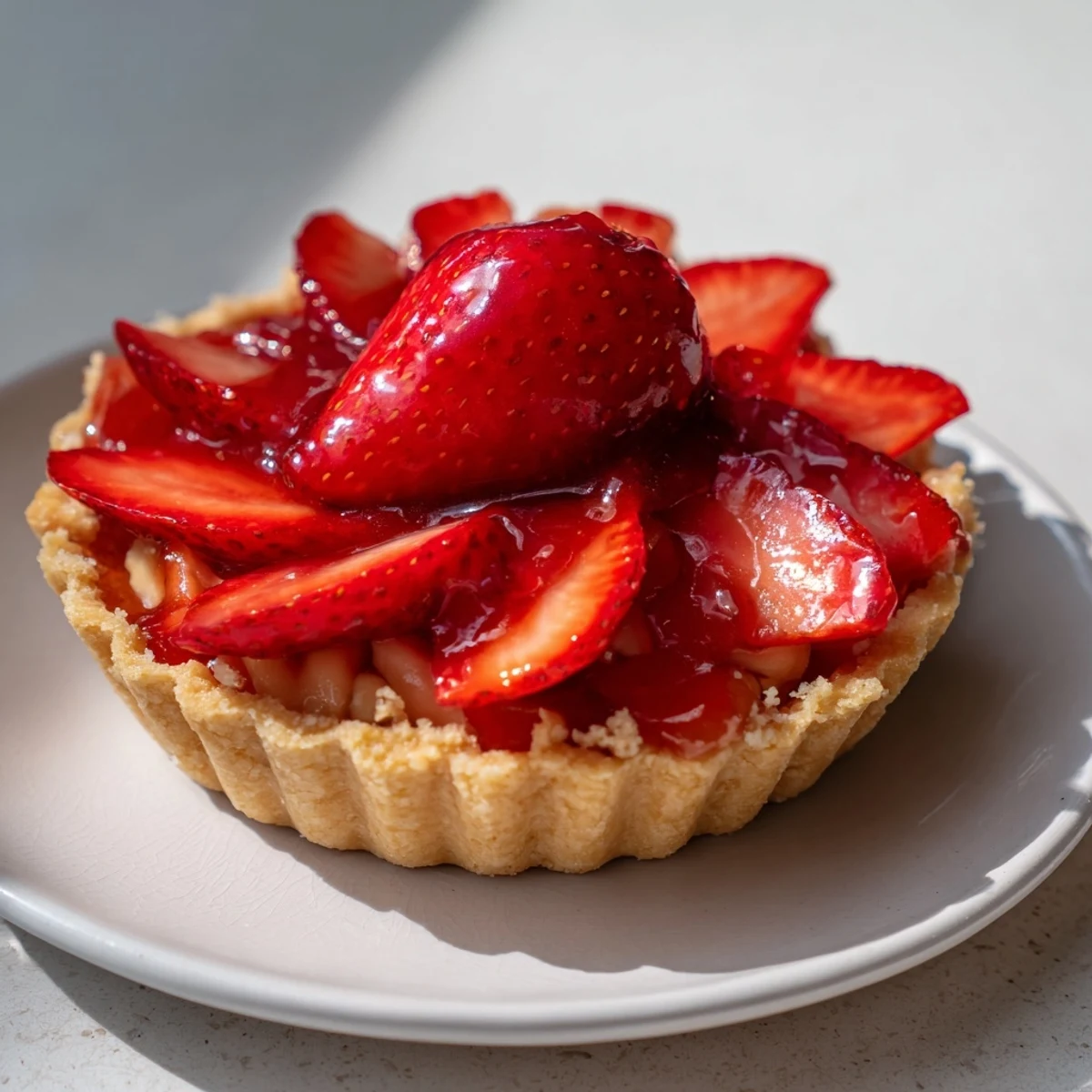
The first warm day of April tends to send me rummaging for berries at the market and digging out my favorite tart pan. I'll never forget the scent of fresh strawberries mingling with creamy vanilla as I composed my very first Tarte aux Fraises, convinced that sunlight had somehow crept onto my kitchen counter. It's a dessert that feels like a celebration of spring—delicate, vibrant, and just the right amount of indulgent.
One late afternoon, I brought this tart to a breezy family picnic—dodging curious fingers eager to 'test' the filling before I'd even finished glazing. The crunch of the shortcrust and the brightness of the fruit sparked jokes, chatter, and that rare hush as everyone took the first bite.
Ingredients
- Farine: Provides structure and a delicate, crumbly base—always sift it for the smoothest dough.
- Beurre doux: Cold, diced butter is essential for the tender, melt-away bite; I cut mine quickly so it doesn't get too soft.
- Sucre glace: This ultra-fine sugar makes the crust noticeably more refined; resist the urge to swap for regular sugar.
- Œuf: Brings the pâte sablée together—crack it into a separate dish to catch any shell.
- Sel: A pinch wakes up all the flavors in the pastry.
- Lait entier: Whole milk ensures the crème pâtissière turns out silky, not stodgy.
- Gousse de vanille ou extrait: Real vanilla seeds make all the difference for that floral, layered aroma.
- Sucre: Sweetens both the cream and fruit layers; taste as you go for balance.
- Jaunes d’œufs: Just the yolks give the pastry cream its rich, golden color and custardy depth.
- Maïzena: Cornstarch thickens the filling without making it lumpy—whisk thoroughly!
- Beurre: Adds a final gloss and richness to the crème pâtissière once it’s cooled a little.
- Fraises fraîches: The fresher and redder the better—choose unblemished berries and dry them gently.
- Confiture d’abricot: A quick apricot jam glaze brings sheen and a gentle tang to every slice.
- Eau: Just a splash helps loosen the jam so it coats the berries evenly.
Instructions
- Mix the dough:
- Combine flour, salt, and icing sugar in a large bowl, then quickly work in the cold butter with your fingertips until sandy and fragrant. Stir in the egg just until the dough holds together, shape into a disk, wrap, and chill while you clean up.
- Blind bake the tart shell:
- Roll out the dough and gently press it into your tart pan—patch any cracks with bits of extra dough. Chill again briefly, then prick the base and bake with parchment and weights for a crisp, golden shell.
- Make the pastry cream:
- Infuse the milk with split vanilla while you whisk yolks with sugar and starch until pale. Stream in warm milk, then return to the heat and stir non-stop until the mixture thickens; off the heat, blend in the butter till glossy, cover with cling film touching the surface, and let it cool completely.
- Prepare the strawberries:
- Rinse gently under cool water, hull, and slice however you fancy—halves, quarters, or left whole for a rustic look. Spread them out on a paper towel to stay dry and shiny.
- Assemble the tart:
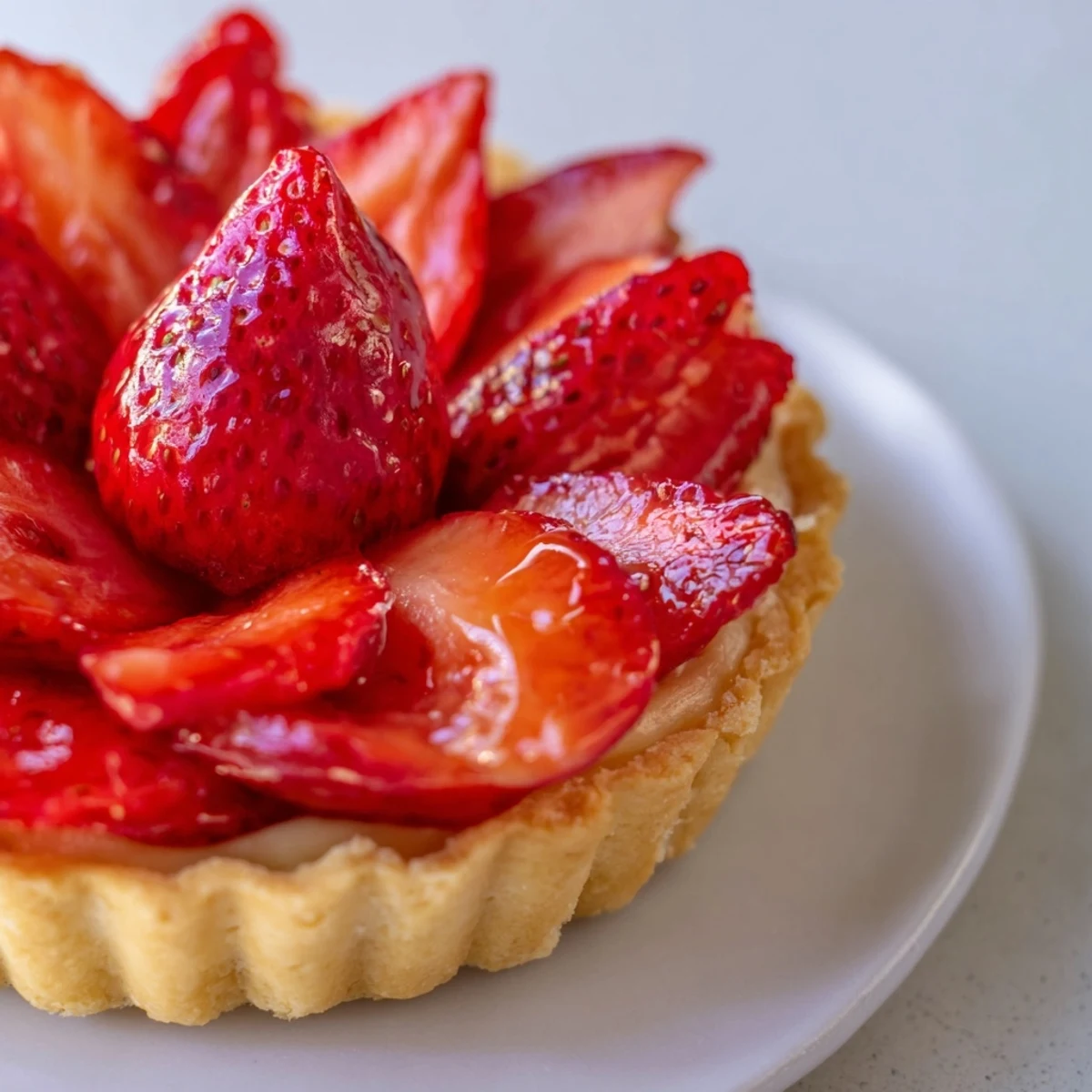
- Spread the chilled pastry cream into your cooled crust, smoothing right to the edges. Arrange the strawberries in casual circles or scatter them artistically for a 'just picked' effect.
- Glaze for shine:
- Warm the apricot jam with water in a small pan, then brush lightly over the berries to make them gleam. Chill the tart in the fridge for at least an hour so the flavors meld and the glaze sets.
 Pin it
 I still think of the afternoon when my friend brought her little daughter to help me arrange the strawberries—tiny hands and serious concentration, giggling when we 'sampled' uneven slices. Somehow, tasting together made the tart taste twice as sweet.
Choosing Strawberries That Shine
The secret to a memorable tarte aux fraises is letting the fruit do the heavy lifting—select berries that smell as fragrant as they look plump. Often, I'll taste one before buying to be sure it’s perfectly ripe and not too tart.
Making the Pastry Cream Foolproof
If your crème pâtissière ever threatens to clump or scorch, just keep whisking and lower your heat—gentle coaxing brings it back every time. I always strain mine just in case, for that extra smooth finish.
Serving and Storing Your Tart
Serve your tart the day you finish it for strawberries at their glossiest, but any leftovers can be stored, uncovered, in the fridge for a day or so—any longer and the crust softens, but it’ll still taste wonderful. Bring the tart out a few minutes before slicing so the cream relaxes and the flavors shine.
- Use a serrated knife to get the cleanest slices with minimal berry squish.
- If you’re prepping ahead, glaze the berries just before serving for maximum shine.
- Refrigerate any leftovers promptly to keep them fresh and safe.
 Pin it
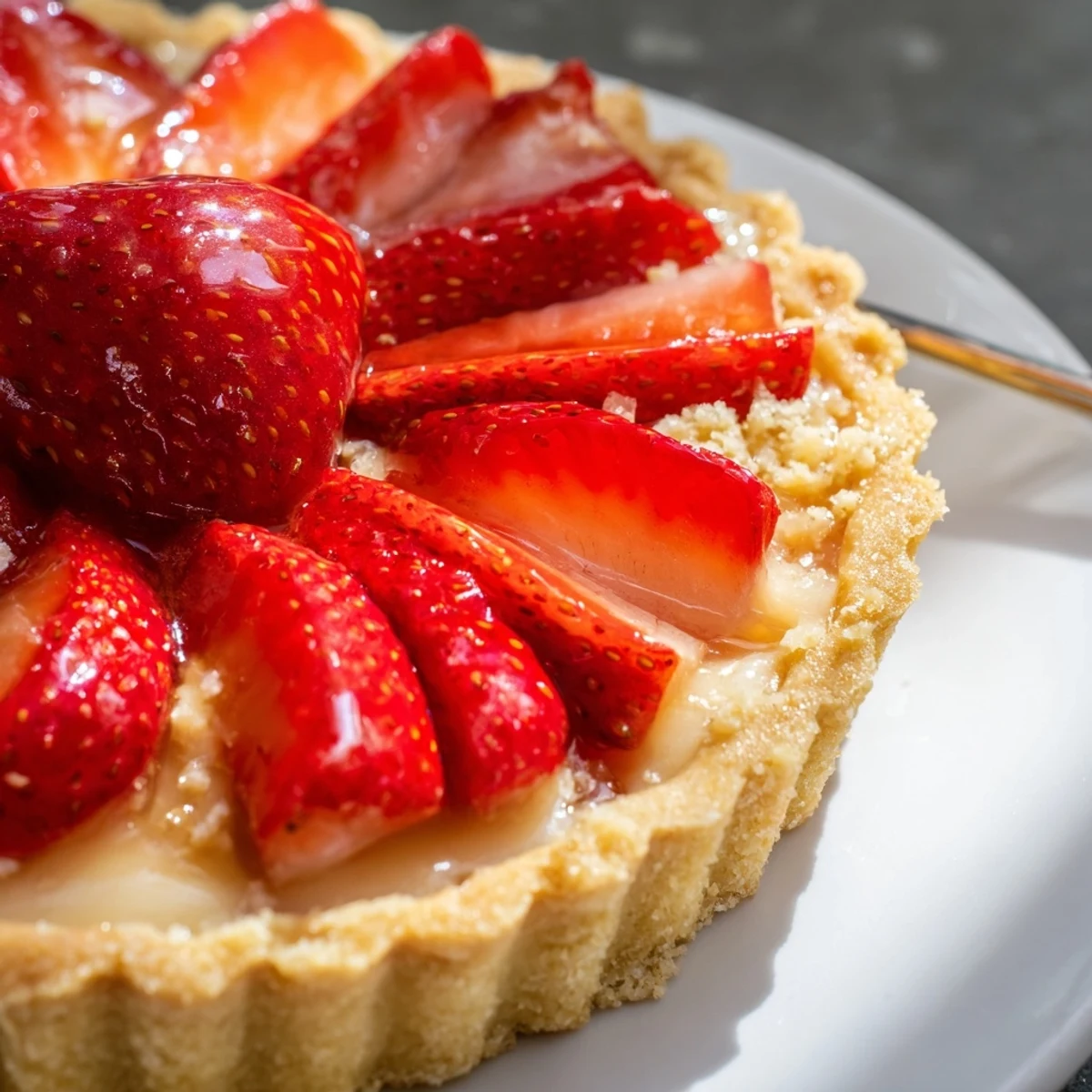
 Slicing into a homemade tarte aux fraises always feels like creating a small moment of celebration, no matter the day. May it bring a bit of sunshine to your table too.
Recipe FAQs
- → Comment cuire la pâte à blanc sans la déformer ?
-
Piquez le fond avec une fourchette, recouvrez de papier sulfurisé et ajoutez des poids (haricots secs ou billes). Commencez la cuisson à 180°C puis retirez les poids pour dorer légèrement le fond.
- → Comment obtenir une crème pâtissière bien lisse ?
-
Versez un filet de lait chaud sur le mélange jaunes-sucre-maïzena pour tempérer, fouettez vivement, puis remettez sur feu moyen en remuant jusqu'à épaississement. Lissez au fouet et filmez au contact pour éviter la peau.
- → Peut-on préparer la pâte et la crème à l'avance ?
-
Oui. La pâte sablée se garde filmée 24h au frais ou congelée. La crème pâtissière peut être préparée la veille et conservée au frais, toujours recouverte d'un film au contact.
- → Comment éviter que les fraises rendent trop d'eau ?
-
Égouttez les fraises si vous les avez macérées, séchez-les délicatement et nappez-les rapidement d'un glaçage d'abricot tiède pour sceller l'humidité et préserver le croquant de la pâte.
- → Quelle est une alternative à la maïzena ?
-
La fécule de pomme de terre ou une petite quantité de farine peut remplacer la maïzena, mais la texture sera légèrement moins soyeuse; ajustez la proportion pour obtenir la consistance souhaitée.
- → Comment réussir le nappage brillant ?
-
Chauffez doucement la confiture d'abricot avec un peu d'eau pour la liquéfier, puis badigeonnez les fruits avec un pinceau en fine couche pour un bel effet brillant sans détremper.