 Pin it
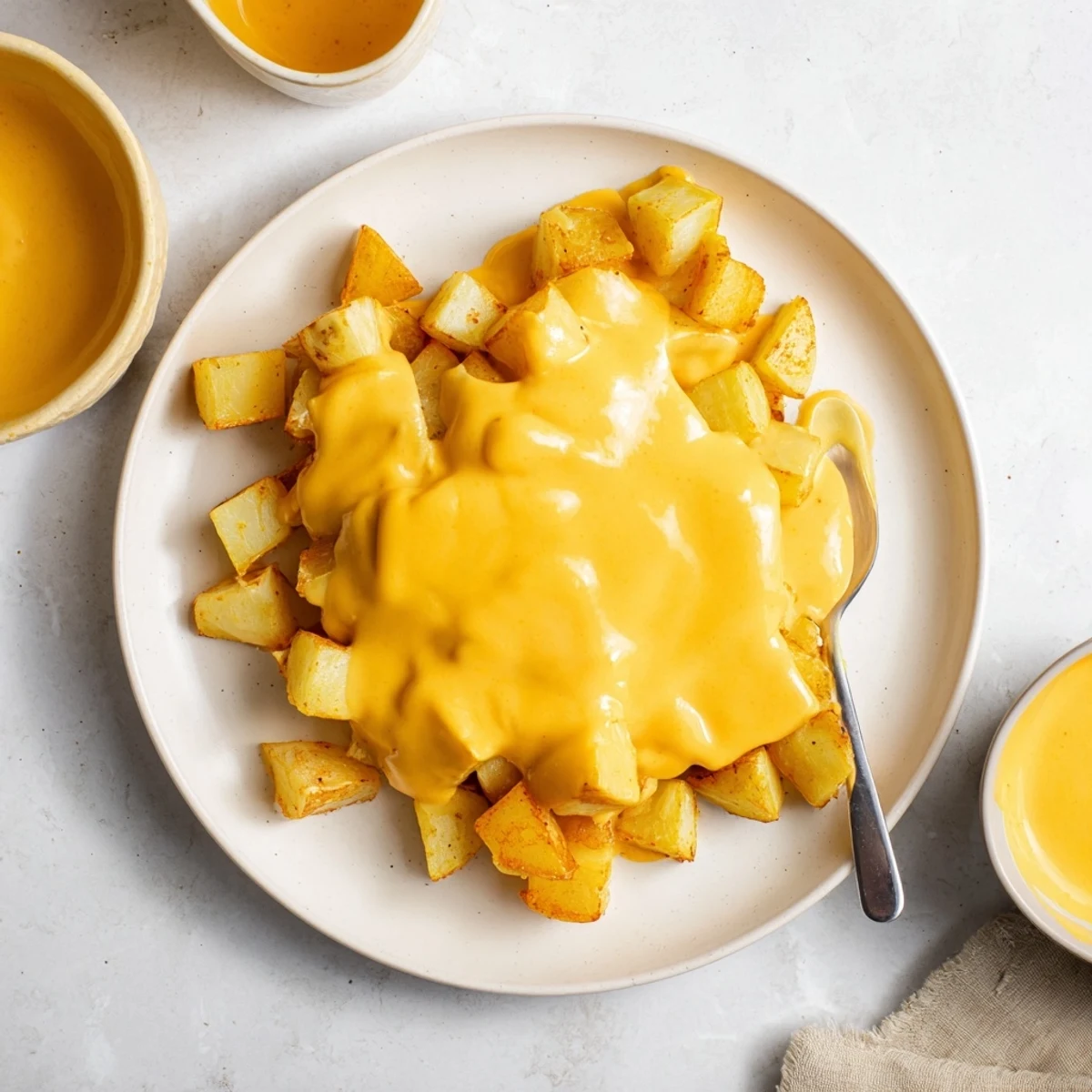
 This velvety cheddar sauce combines sharp cheddar with a well-balanced blend of Dijon mustard, hot sauce, and spices for depth and warmth. The result is a smooth, pourable topping that perfectly coats vegetables, crowns nachos, or enriches baked potatoes. Preparation involves creating a classic roux-based foundation, then gradually incorporating shredded cheese until silky and uniform. The entire process takes just 20 minutes, yielding two cups of versatile sauce that stores well for reheating.
Last Tuesday, I found myself staring at a bag of broccoli that needed rescuing. The microwave-steamed routine had lost its charm somewhere around the hundredth time, and I remembered a cheese sauce from a diner that used to exist three towns over. That place made everything taste like a Friday night, even on a Tuesday. I decided right then to recreate that magic in my own tiny kitchen.
My roommate walked in mid-whisk, following the smell of melting butter like a cartoon character. She stood in the doorway watching me add the hot sauce, her eyes widening when I told her the secret was in the mustard. We ended up eating it straight from the pan with spoons, burning our tongues and not caring one bit. Sometimes the best dinners happen completely by accident.
Ingredients
- Sharp cheddar cheese: The sharpness brings a tangy depth that mild cheese cannot achieve, and freshly grated prevents that grainy texture pre-shredded cheese sometimes develops
- Whole milk: Creates the creamy base you need, though Ive made it work with half-and-half when feeling particularly indulgent
- Unsalted butter: Starting with unsalted lets you control exactly how salty the final sauce becomes
- All-purpose flour: This builds your roux, the essential thickening agent that gives the sauce its velvety body
- Dijon mustard: The secret ingredient that amplifies the cheese flavor without actually tasting like mustard
- Hot sauce: Just enough heat to wake up your palate, not enough to overwhelm the cheese
- Garlic powder and cayenne: These two work together to add layers of flavor that make people ask what you put in here
- Salt and black pepper: Finish with these to taste, remembering the cheese already brings some saltiness
Instructions
- Melt your foundation:
- Drop the butter into a medium saucepan over medium heat, watching it foam and settle into a golden pool
- Build the roux:
- Whisk in the flour constantly for about one minute, cooking until it smells slightly nutty and looks like wet sand
- Create the base:
- Slowly pour in the milk while whisking furiously, breaking up any lumps before they have a chance to form
- Let it thicken:
- Bring the mixture to a gentle bubble and cook for two to three minutes until it coats the back of your spoon
- Add the personality:
- Stir in the Dijon mustard, hot sauce, garlic powder, cayenne, salt, and pepper until everything is incorporated
- Melt in the magic:
- Drop the heat to low and gradually add the cheese, stirring until each handful disappears into smooth perfection
 Pin it
 This sauce became my go-to contribution to potlucks after a friend said she would eat my shoes if I covered them in this cheese. Her kids, who normally treat vegetables like poison, started asking when I was coming over again. Thats when I knew this recipe was about more than just cheese and milk.
Make It Your Own
One night I swapped half the cheddar for pepper jack and discovered a whole new world of possibilities. Smoked gouda brings this incredible depth that makes everything feel like a fancy restaurant appetizer. The beauty of a good cheese sauce is how well it plays with others.
Serving Ideas That Work
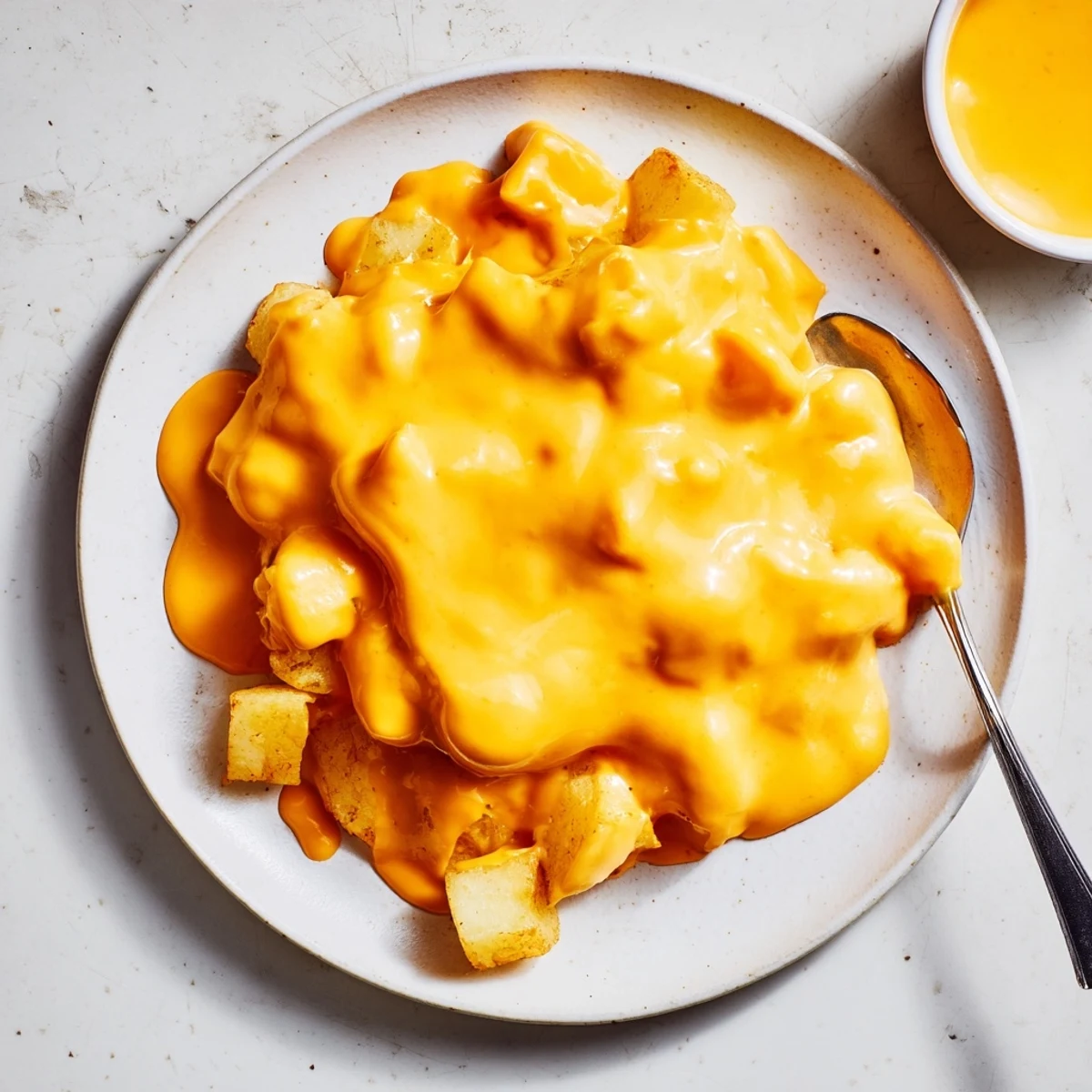
Beyond the obvious nacho situation, this sauce elevates baked potatoes from side dish to main event. Ive poured it over steamed cauliflower for people who swore they hated cauliflower, and watched them change their minds completely. It keeps in the refrigerator for about a week, though in my house it rarely lasts that long.
Getting The Texture Right
If your sauce turns out too thick, whisk in a splash of warm milk until it reaches your desired consistency. Too thin? Let it simmer another minute or two, keeping the heat low to prevent separating. The texture you want should coat a spoon thickly but still pour easily.
- Add the cheese gradually rather than all at once
- Remove the pan from heat completely before adding the final handful of cheese
- Trust your whisk more than you trust your eyes during the roux stage
 Pin it
 Now you have a sauce that makes even Tuesday night vegetables feel like a celebration. Go forth and make everything taste better.
Recipe FAQs
- → What makes this sauce 'snappy'?
-
The combination of Dijon mustard, hot sauce, garlic powder, and cayenne pepper creates the signature snappy flavor profile. These ingredients provide a tangy backbone with gentle heat that balances the rich cheddar cheese.
- → Can I adjust the spice level?
-
Absolutely. Reduce or omit the cayenne pepper and hot sauce for a milder version. Conversely, increase either ingredient to amp up the heat according to your preference.
- → Why use freshly grated cheese?
-
Freshly grated cheddar melts more smoothly and evenly than pre-shredded varieties, which often contain anti-caking agents that can create a grainy texture. For the silkiest results, grate cheese directly from the block.
- → How should I store leftovers?
-
Allow the sauce to cool completely, then transfer to an airtight container and refrigerate for up to 3-4 days. Reheat gently over low heat, adding a splash of milk to restore consistency if needed.
- → What else can I add for more depth?
-
Smoked paprika adds a subtle smoky dimension, while Worcestershire sauce contributes umami richness. A splash of beer or white wine can also enhance complexity, creating a more sophisticated flavor profile.
- → Why did my sauce turn grainy?
-
Grainy texture typically results from overheating the cheese or using pre-shredded varieties. Keep heat low when adding cheese and stir constantly until fully melted. If graininess occurs, a brief whisking with an immersion blender can restore smoothness.