 Pin it
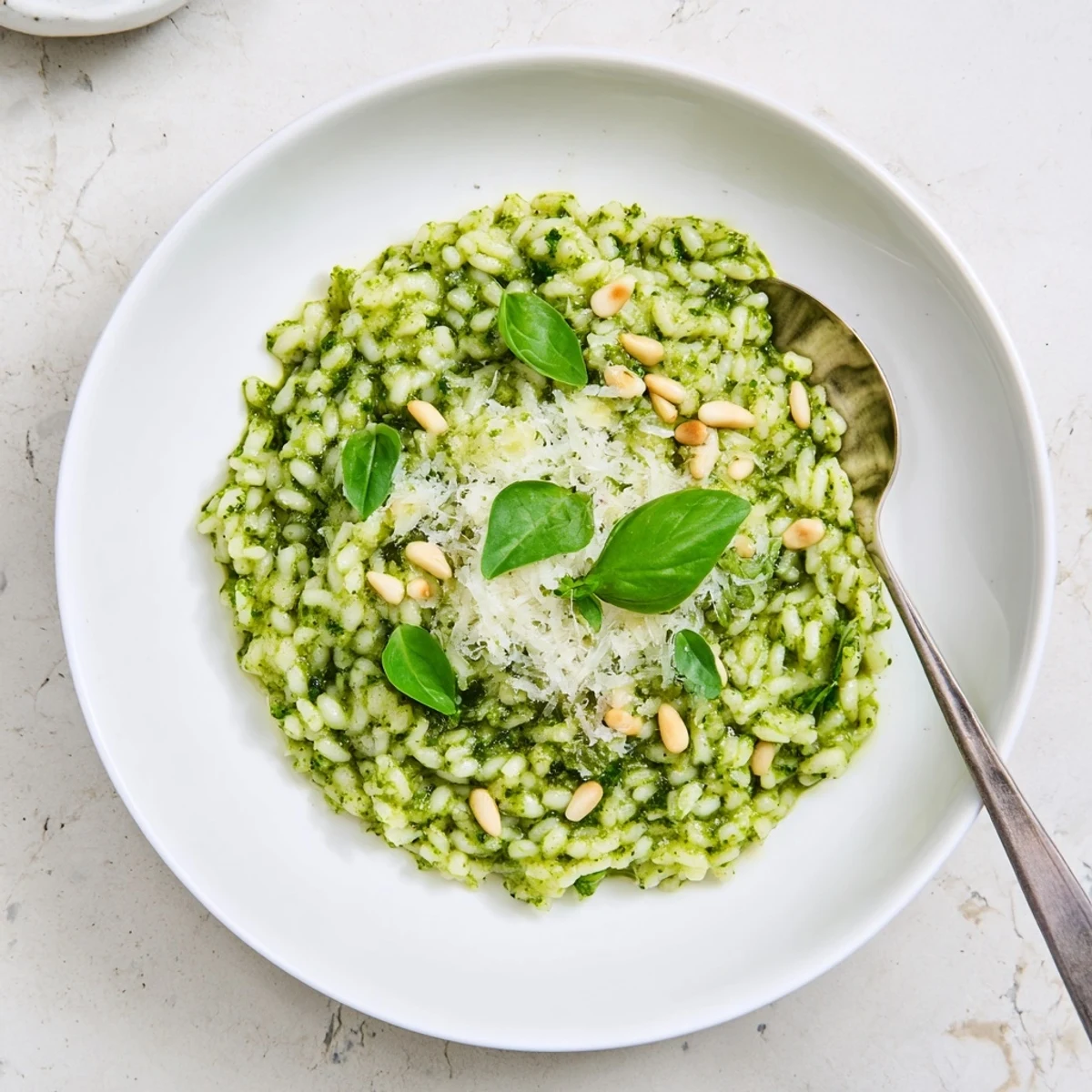
 This beloved Italian classic transforms Arborio rice into an incredibly creamy dish through slow, mindful cooking. The rice absorbs warm vegetable broth ladle by ladle while developing its signature velvety texture. A splash of white wine adds subtle acidity, balancing the richness that follows.
Fresh basil pesto brings vibrant herbal notes and a beautiful green hue, while aged Parmesan contributes umami depth and a savory finish. The result is luxuriously smooth yet the grains retain a pleasant bite. Perfect as a satisfying main course or elegant side dish, this versatile comfort food welcomes variations like sautéed mushrooms or roasted tomatoes.
The first time I made risotto, I stood at the stove for forty minutes straight, my arm aching from all that stirring, convinced I was doing something wrong. But then that first spoonful hit my tongue—creamy, impossibly rich, with ribbons of fresh basil weaving through each grain—and suddenly every minute made perfect sense. Now pesto risotto is my go-to when I want something that feels luxurious but only requires pantry staples and a little patience. Theres something meditative about the rhythm of adding broth and watching rice transform into something completely different.
Last winter, during a particularly gray week when everyone in my house seemed to be running on empty, I made a triple batch of this risotto. My roommate stood in the kitchen doorway, wrapping her arms around herself against the chill, and said the smell of butter and garlic had actually lured her out of a headache. We ate standing up at the counter, too hungry to bother with plates, and something about that warm, herb-filled comfort turned the whole evening around.
Ingredients
- Arborio rice: This short-grain rice is essential for risotto because it releases starch slowly, creating that signature creamy texture without needing heavy cream
- Low-sodium vegetable broth: Keeping the broth warm prevents shocking the rice, which can make the texture uneven, and low-sodium lets you control the salt level
- Unsalted butter and olive oil: The combination gives you flavor from butter while olive oil prevents burning at higher temperatures
- Yellow onion: Finely diced so it melts into the rice, providing a sweet, aromatic foundation without bulky pieces
- Garlic cloves: Minced fresh garlic blooms in the hot fat, infusing every grain with subtle warmth
- Dry white wine: Adds acidity and brightness to balance the richness, and the alcohol evaporates while leaving complex flavors behind
- Freshly grated Parmesan cheese: Pre-grated cheese has anti-caking agents that prevent proper melting, so buy a wedge and grate it yourself
- Basil pesto: Homemade pesto gives you the freshest flavor, but a high-quality jarred version works perfectly for weeknight dinners
- Salt and freshly ground black pepper: Taste at the end since Parmesan and pesto both bring saltiness to the dish
Instructions
- Build your aromatic foundation:
- Melt the butter with olive oil in a large, heavy-bottomed saucepan over medium heat, then add the diced onion and cook until translucent and fragrant, about three minutes. Stir in the minced garlic and let it sizzle for just one minute more—you want it softened and aromatic, not browned or bitter.
- Toast the rice grains:
- Add the Arborio rice to the pan and cook, stirring constantly, for two minutes until the grains look slightly translucent at the edges and are well-coated in the fat mixture. This toasting step helps each grain hold its texture during the long cooking process.
- Deglaze with wine:
- Pour in the white wine and stir until its almost completely absorbed, scraping up any flavorful bits from the bottom of the pan. The wine adds brightness and complexity that balances the rich finish.
- Add broth gradually:
- Begin adding the warm vegetable broth one ladle at a time, stirring frequently and letting each addition be almost fully absorbed before adding more. Continue this process for 18 to 20 minutes until the rice is creamy but still has a slight bite in the center—taste as you go since you might not need all the broth.
- Finish with flavor:
- Reduce the heat to low and stir in the Parmesan cheese and pesto until completely combined and the risotto takes on a vibrant green hue. Season with salt and pepper, then remove from heat, cover, and let rest for two minutes to allow the flavors to meld.
 Pin it
 My friend Sarah swore she hated risotto until I made this for her during what she called her anti-pasta phase. She took one suspicious bite, eyes widened, and asked why no one had ever told her risotto was basically just really fancy mac and cheese for adults. Now she makes it at least once a month and claims it cured her pasta burnout completely.
Timing Your Risotto
Risotto waits for no one, which is exactly why it became my go-to dinner party dish. Everything else gets prepped and plated while the rice cooks, and those final minutes—stirring, adding broth, watching the texture transform—become part of the show. I love how guests drift into the kitchen, drawn by the smell of garlic and wine, and suddenly everyone is involved in the process.
Making It Your Own
Once you have the basic technique down, this recipe becomes a starting point for endless variations. Sometimes I add sautéed mushrooms in the fall, or stir in frozen peas during the last few minutes of cooking for a pop of sweetness and color. Roasted cherry tomatoes folded in at the end add acidity that cuts through the richness beautifully.
Perfecting The Texture
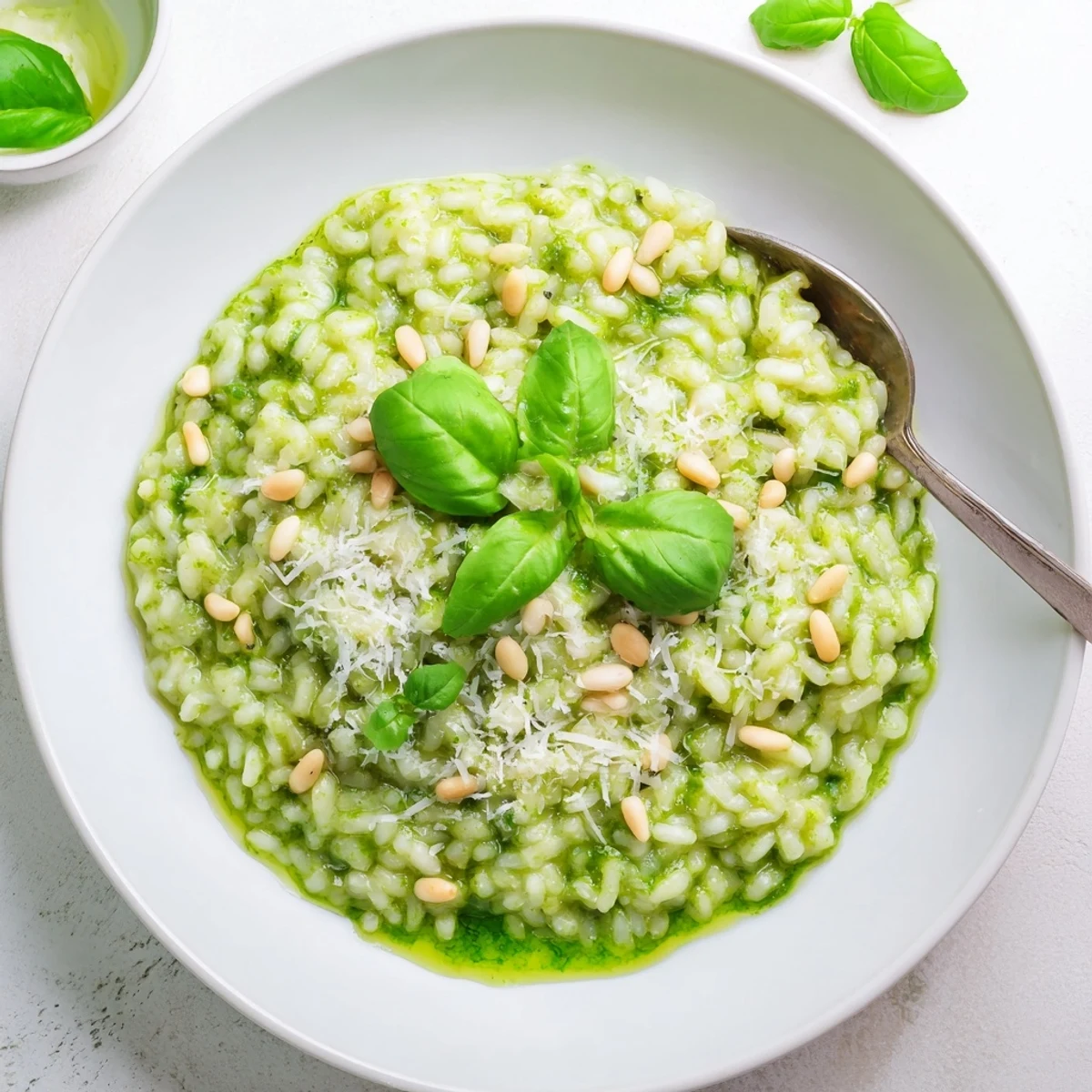
The difference between good risotto and great risotto comes down to that final texture—it should flow like a wave when you tilt the pan, not sit in a stiff mound. I learned this lesson the hard way after several batches that turned out closer to sticky rice than the creamy dish I was aiming for. Practice really does make perfect here.
- The rice should be tender but still have a tiny white dot in the very center when you bite into it
- If you run out of broth before the rice is done, hot water works perfectly as a substitute
- Risotto continues to thicken as it sits, so serve it immediately while its at its best consistency
 Pin it
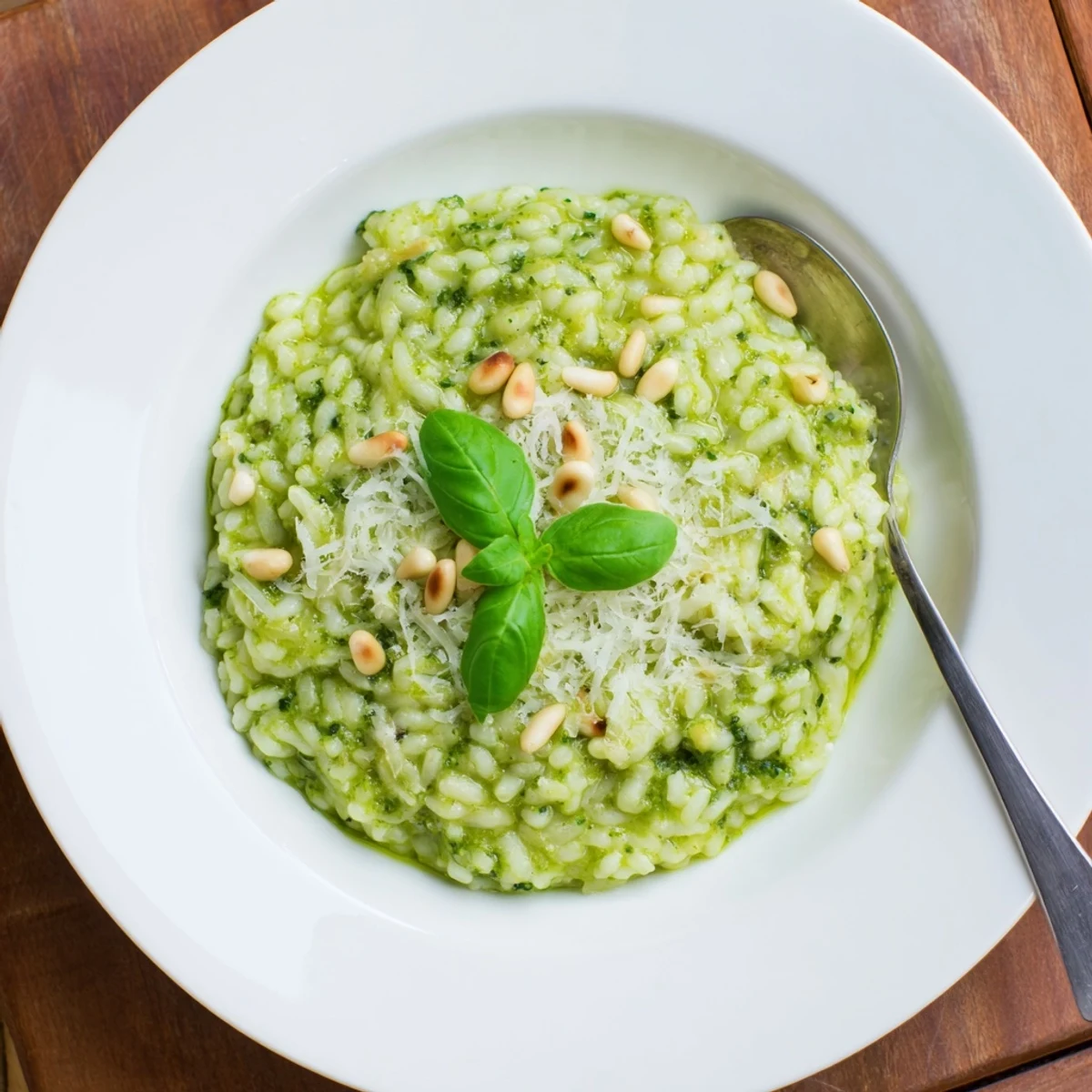
 Theres something deeply satisfying about a dish that rewards patience and attention, turning simple ingredients into something that feels like a proper occasion. This risotto has become my way of turning ordinary Tuesday nights into something worth remembering.
Recipe FAQs
- → Can I make this dish ahead of time?
-
It's best enjoyed immediately after preparation while the texture is at its creamiest. If you need to prepare it ahead, slightly undercook the rice and reheat with additional warm broth before finishing with the pesto and Parmesan.
- → Is Arborio rice essential for this preparation?
-
Arborio rice is specifically recommended because its high starch content creates the characteristic creamy consistency. Carnaroli or Vialone Nano rice varieties can be substituted with similar results, but standard long-grain rice will not achieve the same luxurious texture.
- → Can I use store-bought pesto?
-
High-quality store-bought pesto works beautifully in this preparation. Look for brands with fresh ingredients and minimal additives. Homemade pesto allows you to adjust the basil, garlic, and pine nut balance to your preference.
- → What wine pairs well with this dish?
-
Crisp white wines like Pinot Grigio or Sauvignon Blanc complement the rich flavors perfectly. The same dry white wine used during cooking creates a lovely harmony. For red wine enthusiasts, a light Pinot Noir can also pair nicely.
- → Can I make this vegetarian-friendly?
-
This version is naturally vegetarian since it uses vegetable broth instead of chicken stock. For vegan adaptation, substitute the Parmesan with nutritional yeast or vegan cheese alternative and use plant-based butter or olive oil exclusively.
- → Why must the broth be warm?
-
Adding warm broth maintains the consistent cooking temperature, which is crucial for even starch release and proper grain texture. Cold broth shocks the rice, interrupting the creaminess development and potentially resulting in uneven cooking.
- → How do I store leftovers?
-
Store cooled portions in an airtight container in the refrigerator for up to three days. Reheat gently with a splash of broth or water, stirring frequently to restore creaminess. The texture will be slightly thicker than freshly made.