 Pin it
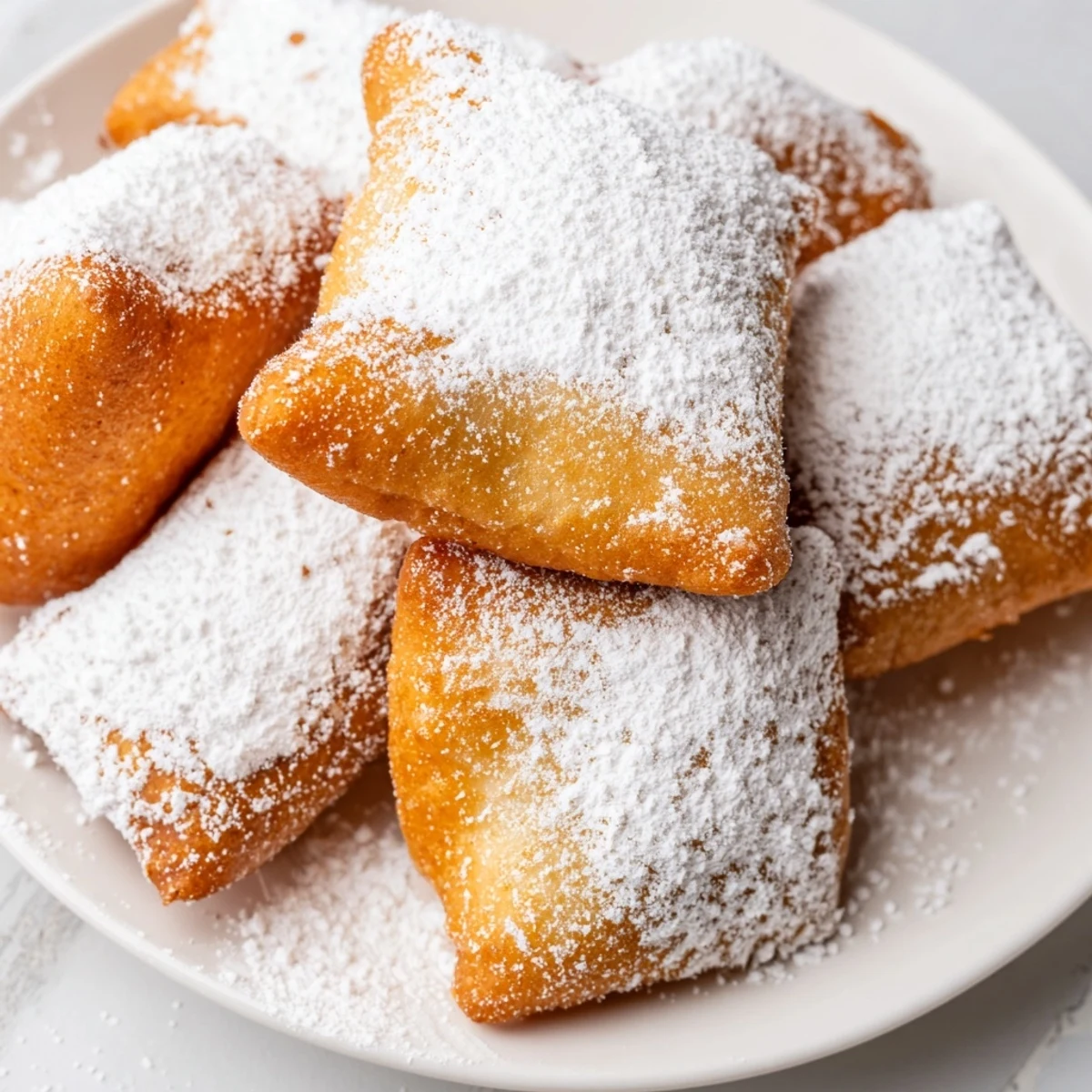
 This Mardi Gras classic features crisp, golden dough pillows fried to perfection and dusted generously with powdered sugar. The dough is made soft and elastic with yeast, warm milk, and butter, yielding a tender interior with a delightful crunch outside. Best served fresh and warm, these treats bring festive joy and pair beautifully with cinnamon, nutmeg, or dipping sauces. Easy to prepare and perfect for sharing during celebrations.
The air in New Orleans during Mardi Gras season carries this incredible sweetness—part sugary dough frying, part music spilling from doorways, part pure celebration. I first stood in that festive crush watching street vendors scoop golden squares from bubbling oil, dusting them in clouds of powdered sugar that drifted onto everyone like edible confetti. Back home in my tiny kitchen, recreating that magic became a February tradition. Now the smell alone makes my family gather around the stove, waiting.
Last year my daughter claimed she was too full from dinner to try even a single piece. Within minutes she was standing by the cooling rack, sneaking them two at a time, powdered sugar dusting her nose and cheeks like evidence. We laughed until we cried. That is the kind of dessert memory that sticks.
Ingredients
- Active dry yeast: This little packet transforms simple flour into something alive and puffy, so check the expiration date and give it proper warm water to wake up
- Warm water: Use a thermometer if you are unsure—too hot kills the yeast, too cold leaves it sleeping
- Granulated sugar: Feeds the yeast for a good rise and adds subtle sweetness to the dough itself
- Unsalted butter, melted: Adds richness and helps create that tender interior crumb
- Whole milk: Room temperature works best so it does not shock the yeast when combined
- Large egg: Provides structure and helps the dough hold its beautiful puffed shape
- Vanilla extract: That background warmth that makes people ask what makes these special
- All-purpose flour: The foundation, with extra for dusting your work surface generously
- Salt: Balances sweetness and enhances all the other flavors
- Vegetable oil: Needs to be deep enough for pieces to float freely
- Powdered sugar: Sifting first prevents lumps and gives that professional snowfall finish
Instructions
- Wake up the yeast:
- Dissolve the yeast and one tablespoon of sugar in warm water, then walk away for five minutes. Come back to find a foamy layer on top—that means your yeast is alive and ready to work.
- Build the dough base:
- Add remaining sugar, melted butter, milk, egg, and vanilla into the yeast mixture. Mix until everything is incorporated and the mixture looks uniform.
- Bring it together:
- Gradually mix in flour and salt until a soft dough forms. It will start shaggy then become smooth and slightly sticky.
- Knead until smooth:
- Turn onto a floured surface and knead for five to seven minutes. You will feel the texture change from tacky to silky and elastic.
- Let it rise:
- Place in a greased bowl, cover, and find a warm corner. Wait about an hour until it has doubled in size.
- Roll it out:
- Punch down gently and roll to one quarter inch thickness on a floured surface. Aim for even thickness so everything fries at the same speed.
- Shape your pieces:
- Cut into two by two inch squares or diamonds with a sharp knife or pizza cutter. Scraps can be gathered and rerolled once.
- Heat the oil:
- Bring vegetable oil to 350°F in a deep fryer or heavy pot. A small piece of dough should sizzle immediately but not brown too fast.
- Fry to golden:
- Cook pieces in batches for one to two minutes per side. Turn when puffed and golden brown.
- Sugar them warm:
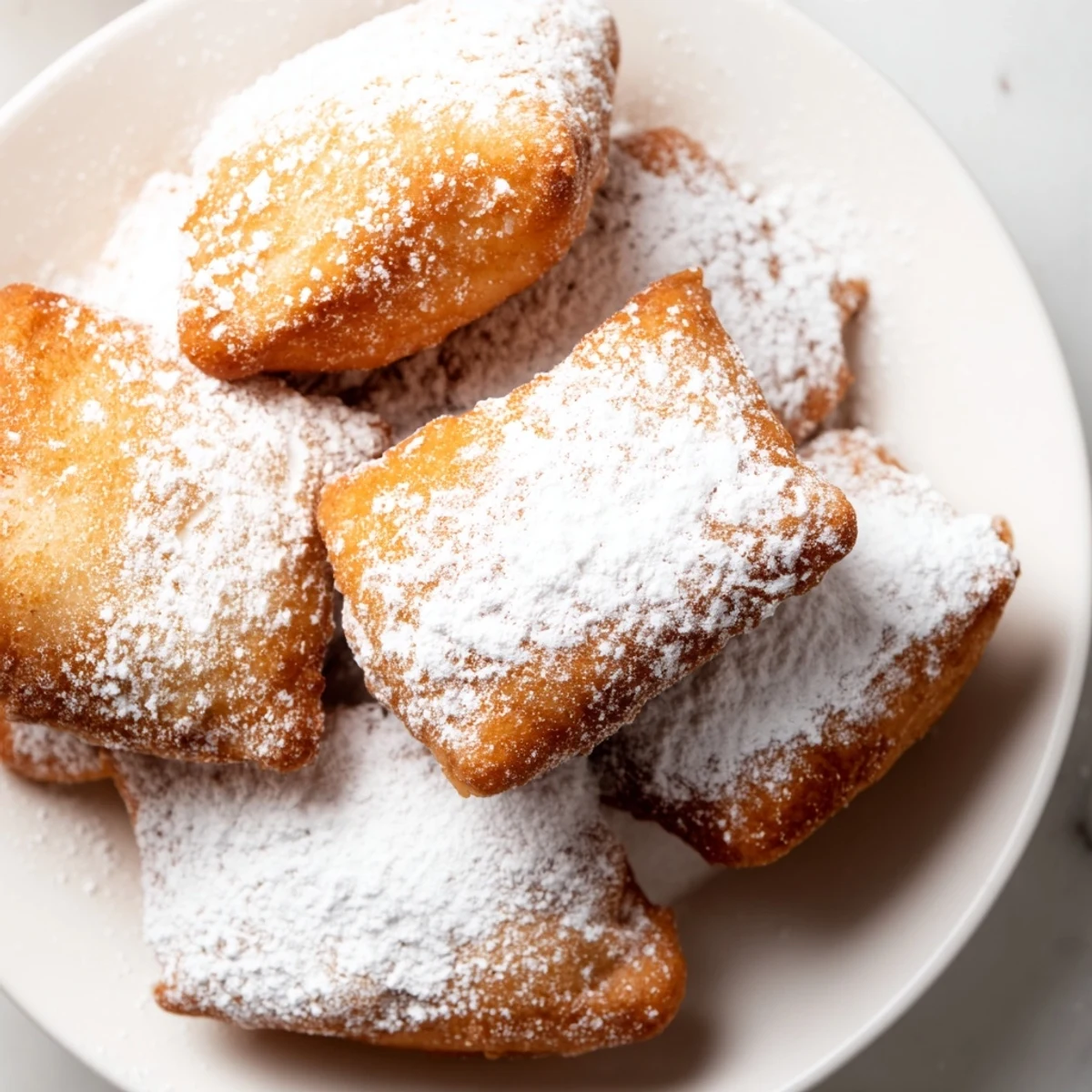
- Drain briefly on paper towels then dust generously with powdered sugar while still warm.
 Pin it
 My friend from Baton Rouge told me her grandmother would make these every Fat Tuesday without fail. The whole neighborhood would know. Children would appear at the back door like magic. Food connects us across generations and distances like nothing else.
Making These Your Own
A pinch of cinnamon or nutmeg in the dough adds subtle warmth. A drop of almond extract instead of vanilla gives them a bakery-style twist.
Serving Suggestions
Set out bowls of warm chocolate sauce or berry preserves for dipping. A cup of strong chicory coffee alongside feels like a true New Orleans moment.
Storage and Reheating
These are absolutely best within an hour of frying, but life rarely allows perfect timing. Store cooled leftovers in an airtight container and warm briefly in a 300°F oven. They will not be quite the same but still disappear quickly.
- Reheat on a baking sheet for five to seven minutes
- Avoid the microwave which makes them tough
- Add a fresh dusting of sugar after rewarming
 Pin it
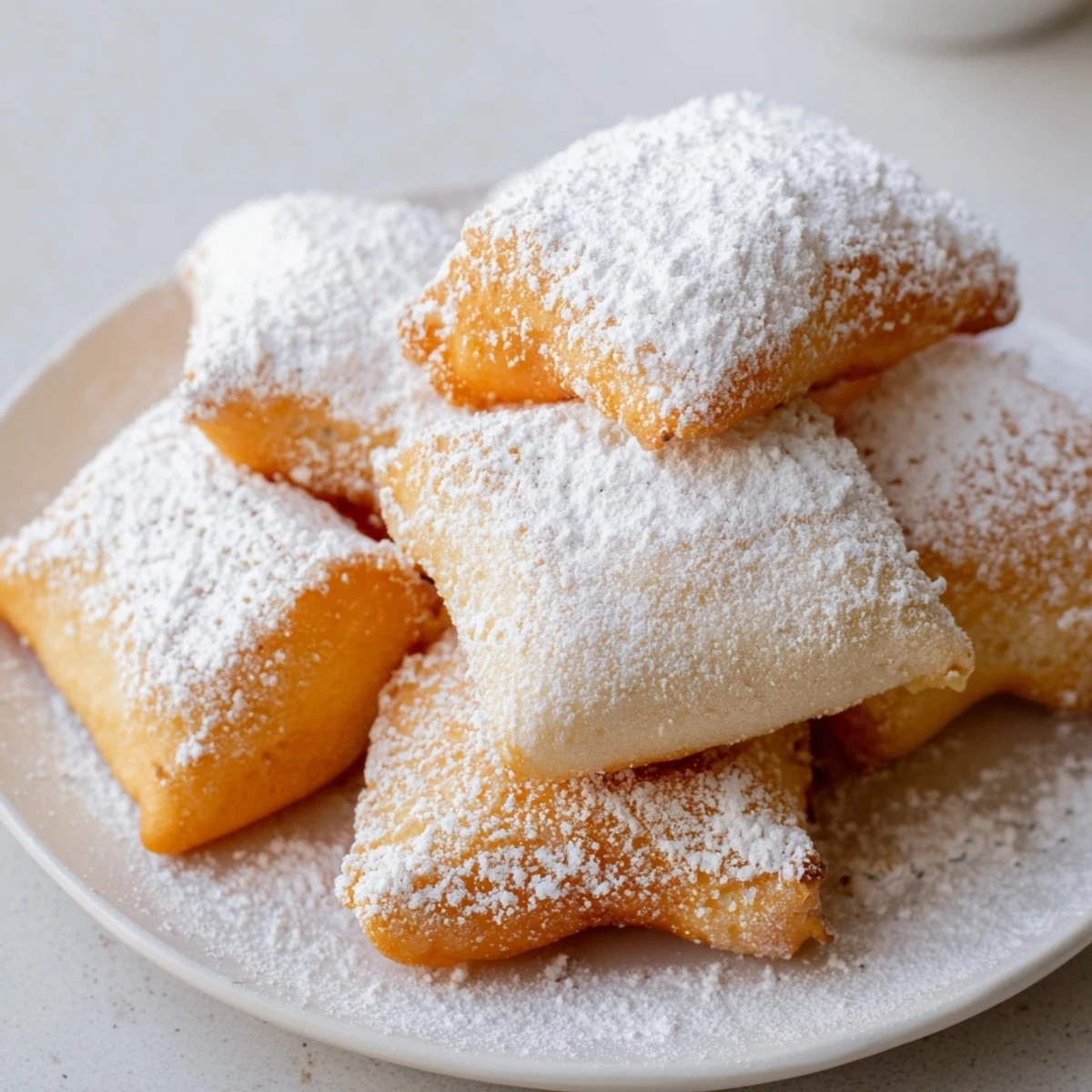
 Make these for someone you love. Watch their face light up at that first warm, sugary bite. That is what cooking is really about.
Recipe FAQs
- → What ingredients create the dough's flavor?
-
The dough’s flavor comes from a combination of yeast, melted butter, warm milk, egg, and a touch of vanilla extract, creating a soft yet flavorful base.
- → How is the dough prepared before frying?
-
The dough is kneaded until smooth, left to rise until doubled in size, then rolled out and cut into shapes before frying for a light and airy texture.
- → What oil temperature is best for frying?
-
Maintain the oil at 350°F (175°C) to ensure the dough puffs up with a golden crispy exterior without absorbing excess oil.
- → Can these be flavored differently?
-
Yes, adding a pinch of ground cinnamon or nutmeg to the dough enhances the aroma and adds a warm, spicy note.
- → How should these treats be served?
-
Serve immediately while warm, dusted with powdered sugar, and optionally accompanied by chocolate or fruit sauces for dipping.
- → How can leftovers be reheated?
-
Reheat gently in a warm oven to restore crispness and enjoy their fresh taste again.