 Pin it
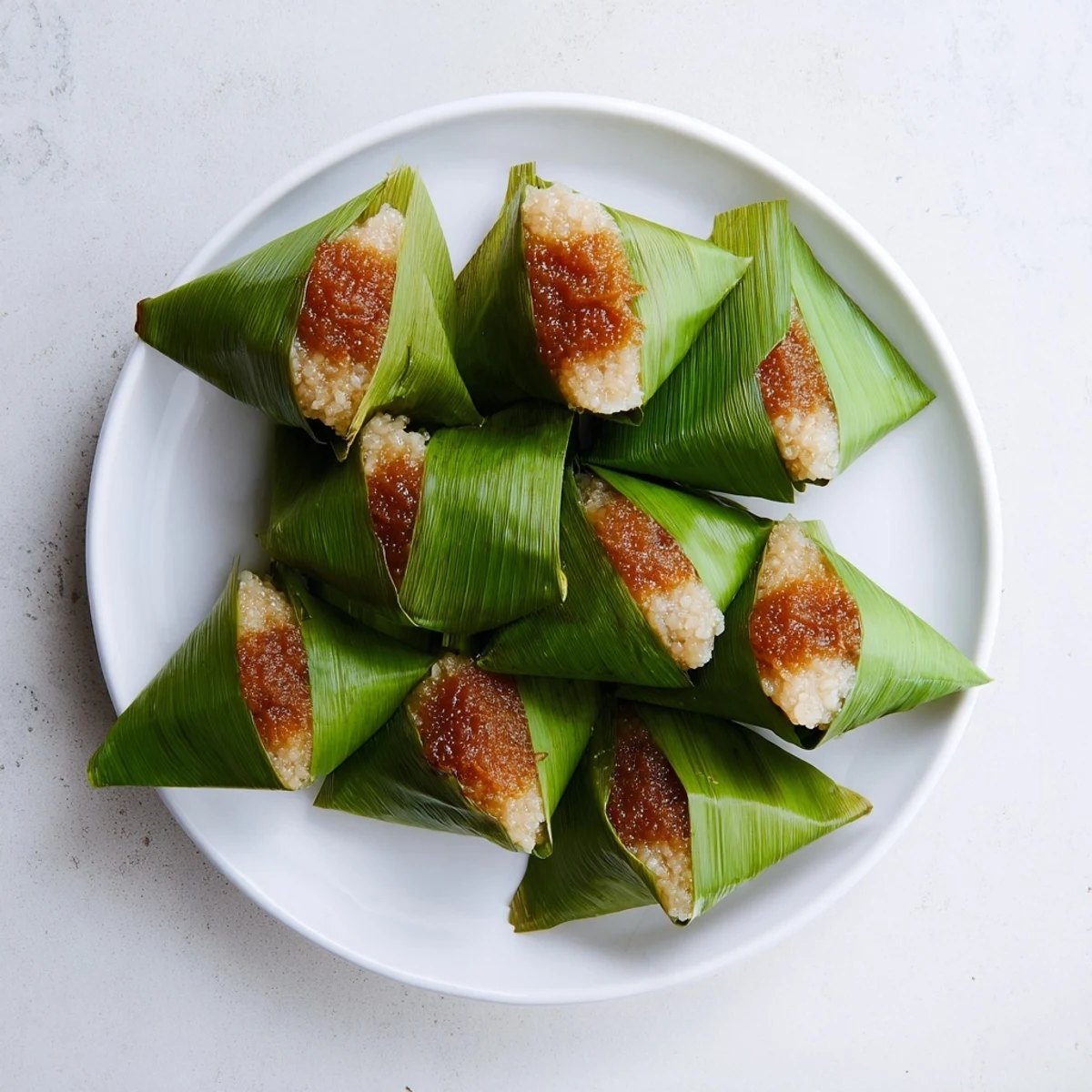
 Pulut Inti is a cherished Malaysian kuih combining sticky glutinous rice with a sweet coconut topping. The rice steams with coconut milk until tender, while fresh coconut cooks with palm sugar until fragrant and moist. Traditionally wrapped in banana leaves, this beloved dessert balances sweet and savory notes perfectly.
The blue pea flower extract adds stunning natural color, though it remains optional. Best enjoyed at room temperature, these parcels showcase Southeast Asian culinary heritage in every bite.
The aroma of steaming coconut milk wrapped in banana leaves still takes me back to my grandmother's kitchen in Penang, where she'd press bundles of pulut inti into my hands before I could even finish asking what was for merienda. There's something about the way gula Melaka caramelizes with fresh coconut that creates a flavor you can't quite describe to someone who's never tasted Malaysian kuih. I spent years trying to recreate that specific sweetness in my tiny apartment kitchen, burning batches of coconut and undercooking rice until I finally understood that patience is the real secret ingredient.
My first attempt at pulut inti ended with me frantically calling my aunt at midnight because the coconut topping had turned into a dry, crumbly mess instead of the glossy, fragrant mixture I remembered. She laughed and told me I'd been cooking the coconut too long, that it needed to stay moist but not wet, a distinction that only makes sense when you're actually standing over the stove watching the transformation. Now I can tell exactly when the coconut is ready by how it smells, that moment when the palm sugar has fully melted and the mixture starts glistening just so.
Ingredients
- Glutinous rice soaked at least 4 hours: This soaking time is nonnegotiable, the grains need to fully hydrate or they'll never achieve that perfect sticky texture that holds together when you bite into it
- Coconut milk for steaming: Using fresh coconut milk makes a noticeable difference in flavor richness, though canned will work in a pinch
- Fresh grated coconut: The white part only, any brown bits will affect the final appearance and texture of the topping
- Palm sugar chopped: Gula Melaka has this complex smoky sweetness that regular brown sugar just can't replicate, though you can substitute in an emergency
- Banana leaves softened: Warming them makes them pliable enough to fold without cracking, plus they release that incredible aroma when steamed
Instructions
- Prepare the rice the night before:
- Soak those glutinous rice grains in plenty of water, they'll swell up beautifully and thank you later by becoming perfectly tender during steaming
- Steam the rice with coconut milk:
- Drain the soaked rice well, mix it with the coconut milk and salt, then steam until each grain is cooked through and sticky, giving it a gentle stir halfway through so everything cooks evenly
- Melt the palm sugar first:
- Dissolve the chopped palm sugar in water with that knotted pandan leaf until it becomes a smooth syrup, this step ensures the sugar won't leave grainy bits in your coconut topping
- Cook the coconut mixture:
- Add the grated coconut to the sugar syrup and stir constantly over low heat, watching until the mixture turns glossy and moist but not swimming in liquid, about 5 to 8 minutes of patient stirring
- Wrap in banana leaves:
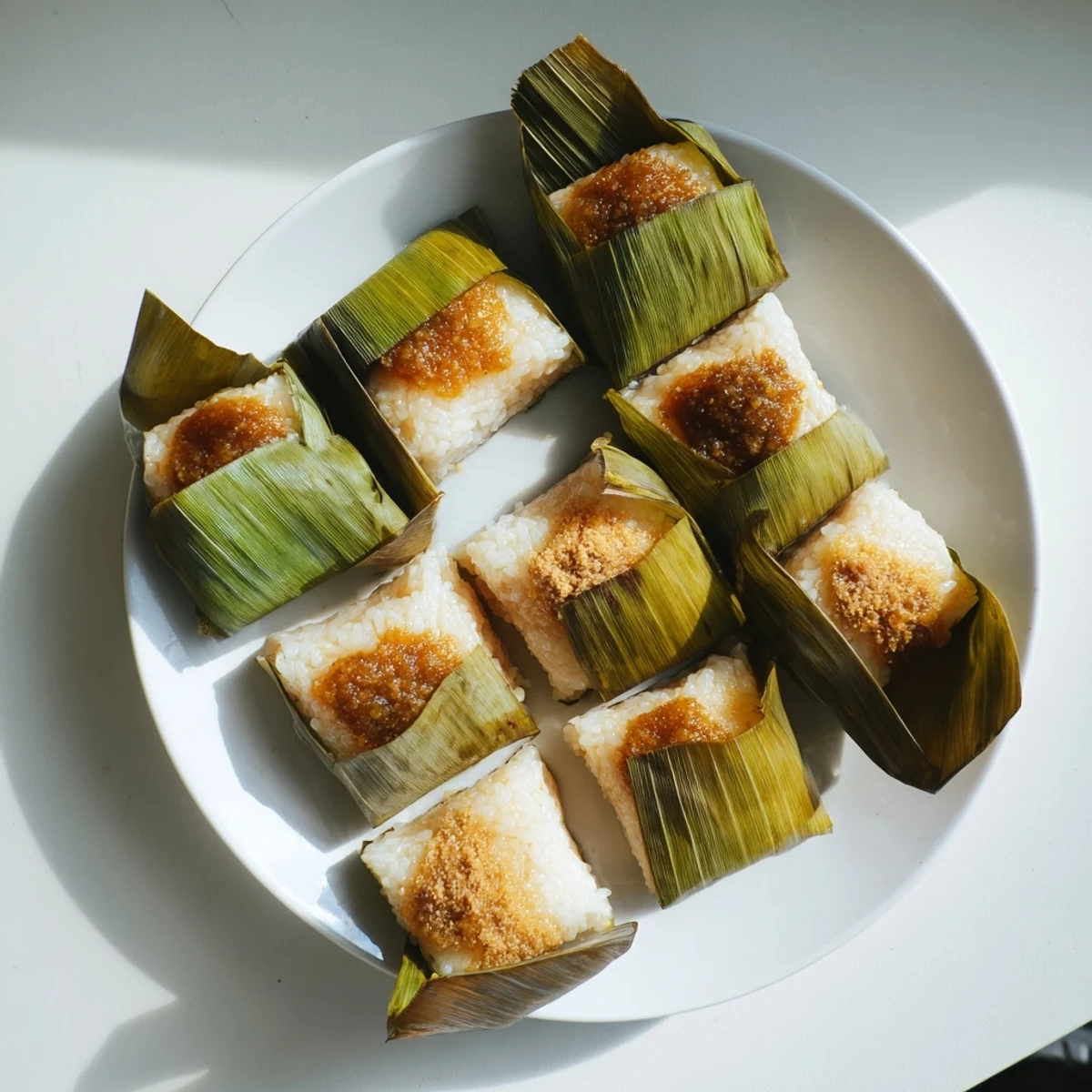
- Scoop portions of the sticky rice onto softened banana leaf squares, flatten them slightly, then pile that fragrant coconut topping on top before folding the leaves around the bundle, leaving the top exposed so everyone can see the beautiful contrast
- Let them rest before serving:
- The flavors need a few minutes to settle and the rice to cool slightly, making it easier to handle while still having that wonderful warm coconut aroma
 Pin it
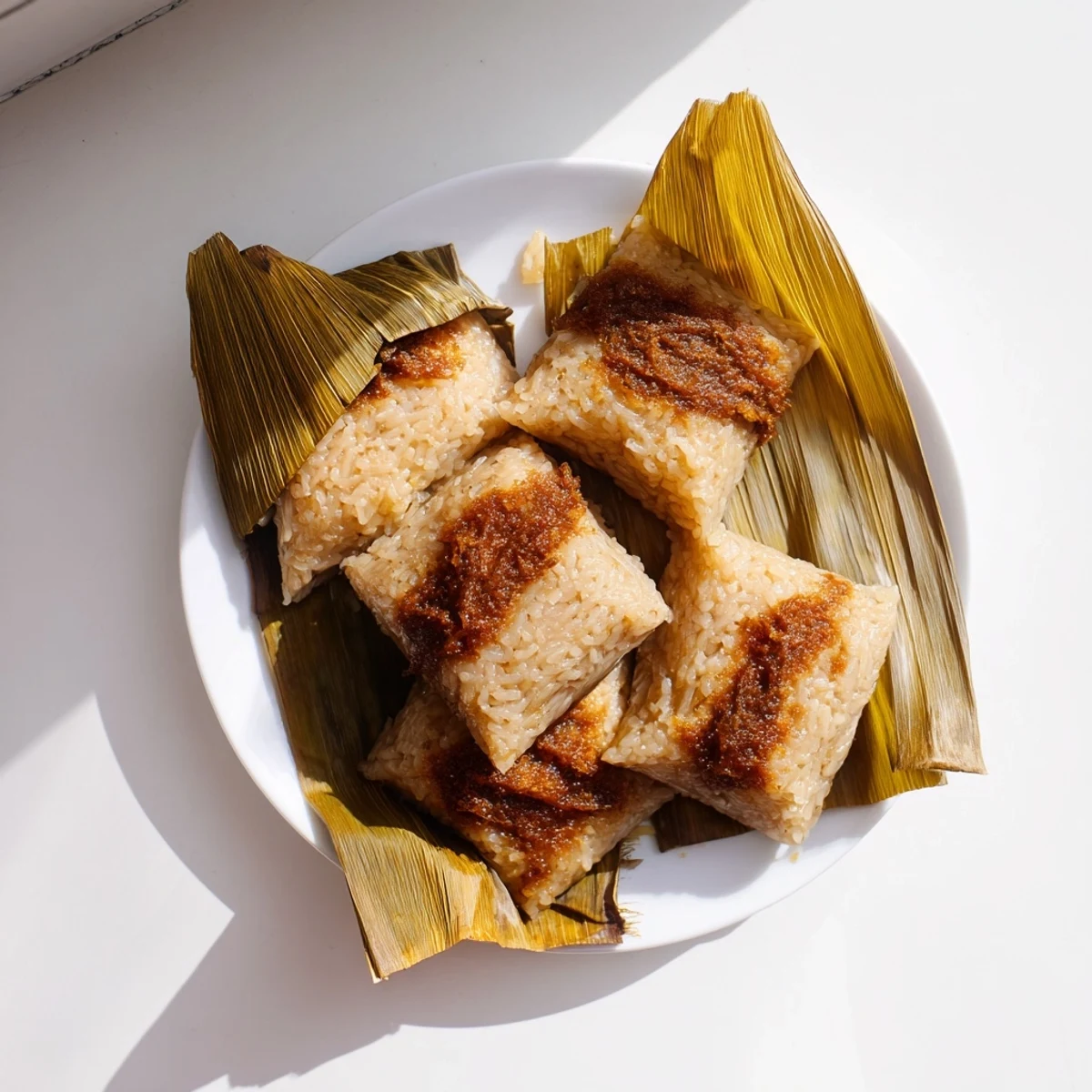
 Bringing a platter of pulut inti to a neighborhood potluck felt like sharing a piece of my childhood, watching my friends' faces light up when they unwrapped those little banana leaf parcels and discovered the sweet coconut treasure inside. Someone asked for the recipe, and I realized that's when a dish truly becomes yours, when you're confident enough to pass it along to someone else's kitchen.
Getting The Rice Texture Right
The key is testing a grain between your fingers, it should mash easily but still hold its shape, never mushy or hard in the center. Undercooked rice will feel gritty, while overcooked rice becomes a sad, gluey mess that won't separate into distinct portions.
Handling Banana Leaves Like A Pro
Pass each banana leaf quickly over an open flame or dip it in hot water, the heat makes them flexible enough to fold without splitting. Work with them while they're still warm, and if they start cracking, just reheat them briefly.
Serving And Storage Tips
Pulut inti tastes best within a few hours of making it, when the rice is still slightly warm and the coconut topping is at its fragrant peak. Leftovers can be wrapped and stored, though the texture does change overnight.
- Reheat any leftovers by steaming for just 5 minutes to restore that freshly made texture
- If serving at room temperature, let the bundles rest uncovered for 10 minutes so any excess moisture evaporates
- These freeze beautifully if you wrap each piece individually in plastic before placing in the freezer
 Pin it
 There's something deeply satisfying about unwrapping each little parcel, like opening a small gift from the kitchen to the table. Enjoy every bite of this sweet Malaysian tradition.
Recipe FAQs
- → What makes Pulut Inti special?
-
This traditional Malaysian kuih combines the natural sweetness of palm sugar with creamy coconut and tender glutinous rice, creating a perfect balance of textures and flavors unique to Southeast Asian desserts.
- → Can I make Pulut Inti without banana leaves?
-
Absolutely. While banana leaves add authentic aroma and presentation, you can serve the layered rice and coconut on small plates or wrap portions in parchment paper for a similar effect.
- → How long should glutinous rice soak?
-
Soak the glutinous rice for at least 4 hours, though overnight soaking yields the best texture. Proper soaking ensures the grains cook evenly and achieve that characteristic sticky, tender consistency.
- → What can I substitute for palm sugar?
-
Brown sugar works as an alternative, though it lacks the complex caramel notes of gula Melaka. Dark brown sugar with a touch of molasses comes closest to mimicking palm sugar's depth.
- → How do I store Pulut Inti?
-
Keep in an airtight container at room temperature for one day, or refrigerate for up to three days. Re-steam briefly before serving to restore the rice's soft texture and warm the coconut topping.
- → Is blue pea flower extract necessary?
-
Not at all. The natural blue dye creates beautiful visual appeal, but Pulut Inti tastes just as delicious with plain white rice. The coloring is purely aesthetic and traditional in certain regions.