 Pin it
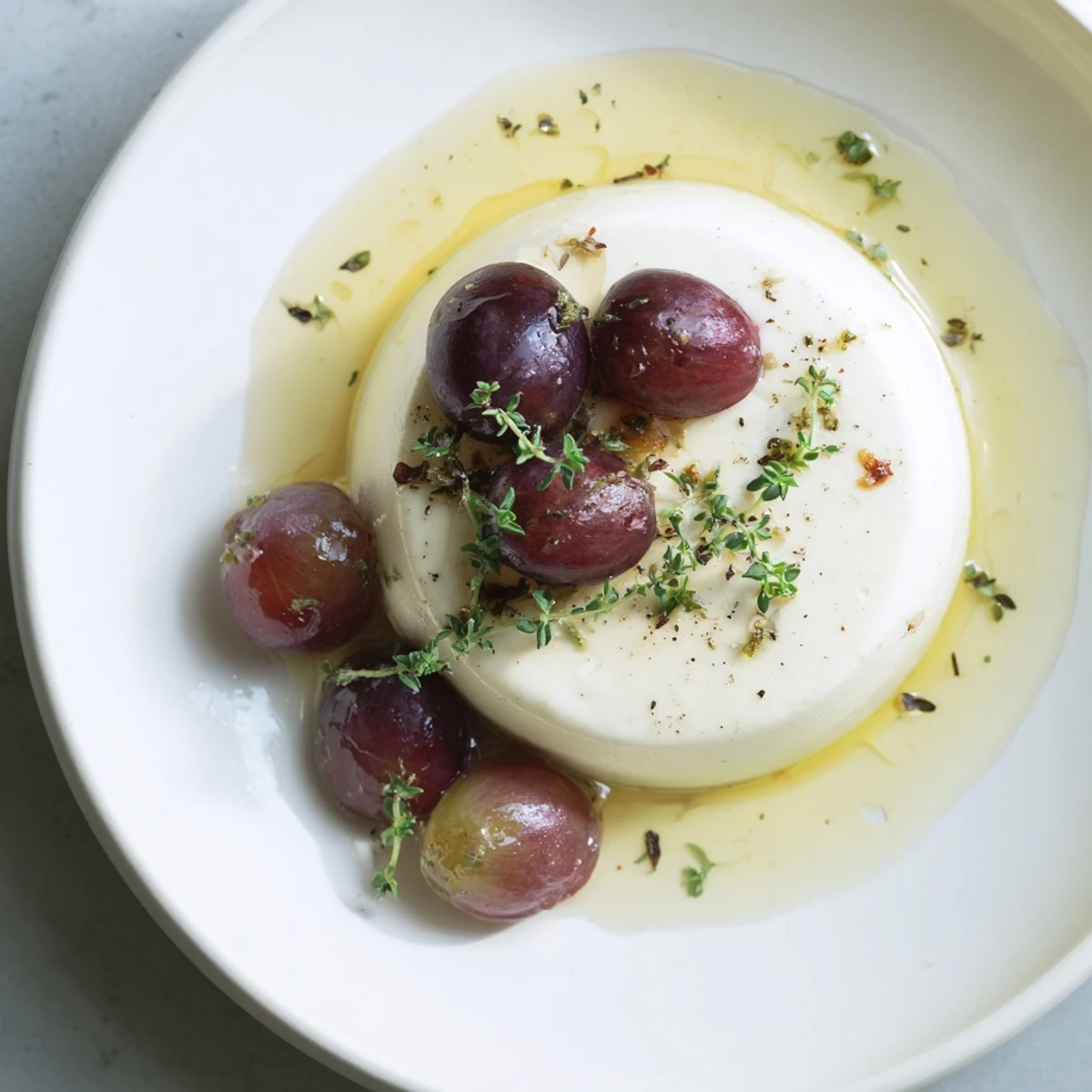
 This elegant Italian dessert features a silky, citrus-infused cream base topped with a clever dual preparation of grapes. Half the grapes are roasted until caramelized and jammy, while fresh halves provide bright pop andJuice. The combination creates beautiful textural contrast against the smooth panna cotta. With just 20 minutes of active preparation and 4 hours of chilling time, you can create a restaurant-worthy dessert that balances tangy lemon, rich dairy, and natural grape sweetness.
The first time I made panna cotta, I was convinced I'd messed something up because it seemed too simple to yield something so elegant. This lemon version came about on a whim when my CSA box delivered more grapes than I knew what to do with, and now it's the dessert my friends actually request by name. There's something magical about how the tart citrus cream plays against sweet roasted grapes and pops of fresh fruit.
I served this at a dinner party last spring, and my friend Sarah literally stopped mid conversation to ask what she was eating. The way the warm roasted grape juices mingle with that cool, wobbly lemon cream creates this moment where everyone at the table just goes quiet for a second. Now whenever I see grapes on sale, I grab twice what I need just so I can make this again.
Ingredients
- Heavy cream and whole milk: The cream blend gives that luxurious restaurant texture without being overly heavy—I've tried all cream and it's just too much
- Lemon zest and juice: Use a microplane to get just the yellow zest, avoiding the bitter white pith, and squeeze your lemons right before you need them
- Unflavored gelatin: Bloom it in cold water first—this step is non negotiable or you'll end up with grainy bits instead of silky smooth custard
- Seedless red or black grapes: Red grapes roast beautifully and their color deepens into this gorgeous ruby shade that looks stunning against the pale cream
- Honey and olive oil: The olive oil helps the grapes caramelize while the honey enhances their natural sweetness without making it cloying
Instructions
- Prep your molds:
- Lightly oil six ramekins or glasses with a neutral oil—just enough that you'll be able to unmold them later without tearing
- Bloom the gelatin:
- Sprinkle the gelatin over cold water in a small bowl and let it sit for 5 minutes until it looks like a firm gelatinous disc
- Heat the cream mixture:
- Combine cream, milk, sugar, lemon zest, and salt in a saucepan over medium heat, stirring until it just begins to steam and the sugar dissolves completely
- Dissolve the gelatin:
- Whisk the bloomed gelatin into the hot cream mixture until it's completely melted, then stir in lemon juice and vanilla
- Strain and pour:
- Pour everything through a fine mesh sieve into a measuring cup (this catches any bits of zest or undissolved gelatin), then divide evenly among your prepared molds
- Chill until set:
- Let them cool to room temperature first, then refrigerate for at least 4 hours or overnight—they should wobble like a happy jelly when gently shaken
- Roast half the grapes:
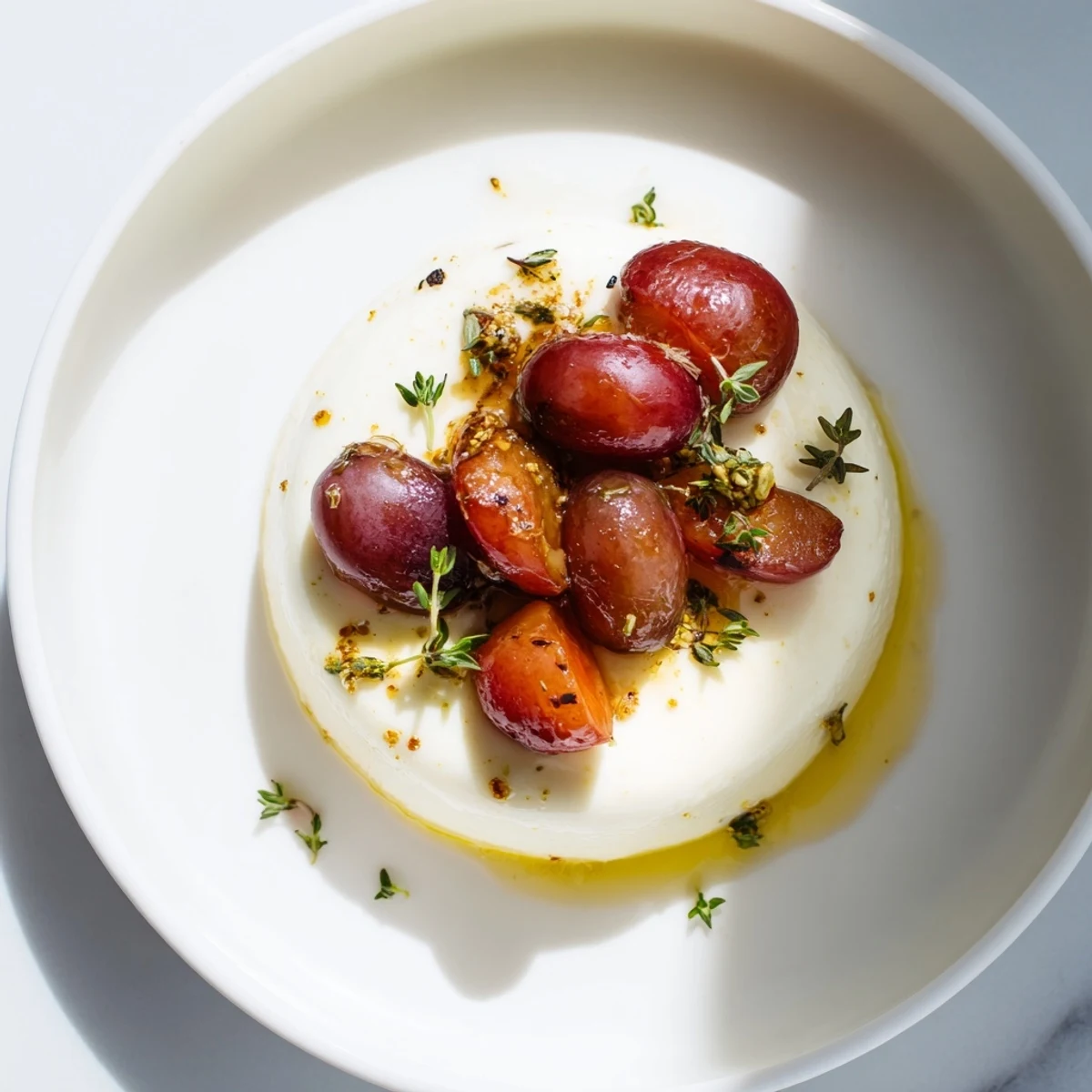
- Toss one cup of grapes with olive oil, honey, and thyme on a parchment lined baking sheet, then roast at 400°F until they're soft and blistered, about 10 to 12 minutes
- Prep the fresh grapes:
- Halve the remaining grapes and keep them chilled until you're ready to serve—their cool freshness is the perfect counterpoint to those warm roasted ones
- Assemble and serve:
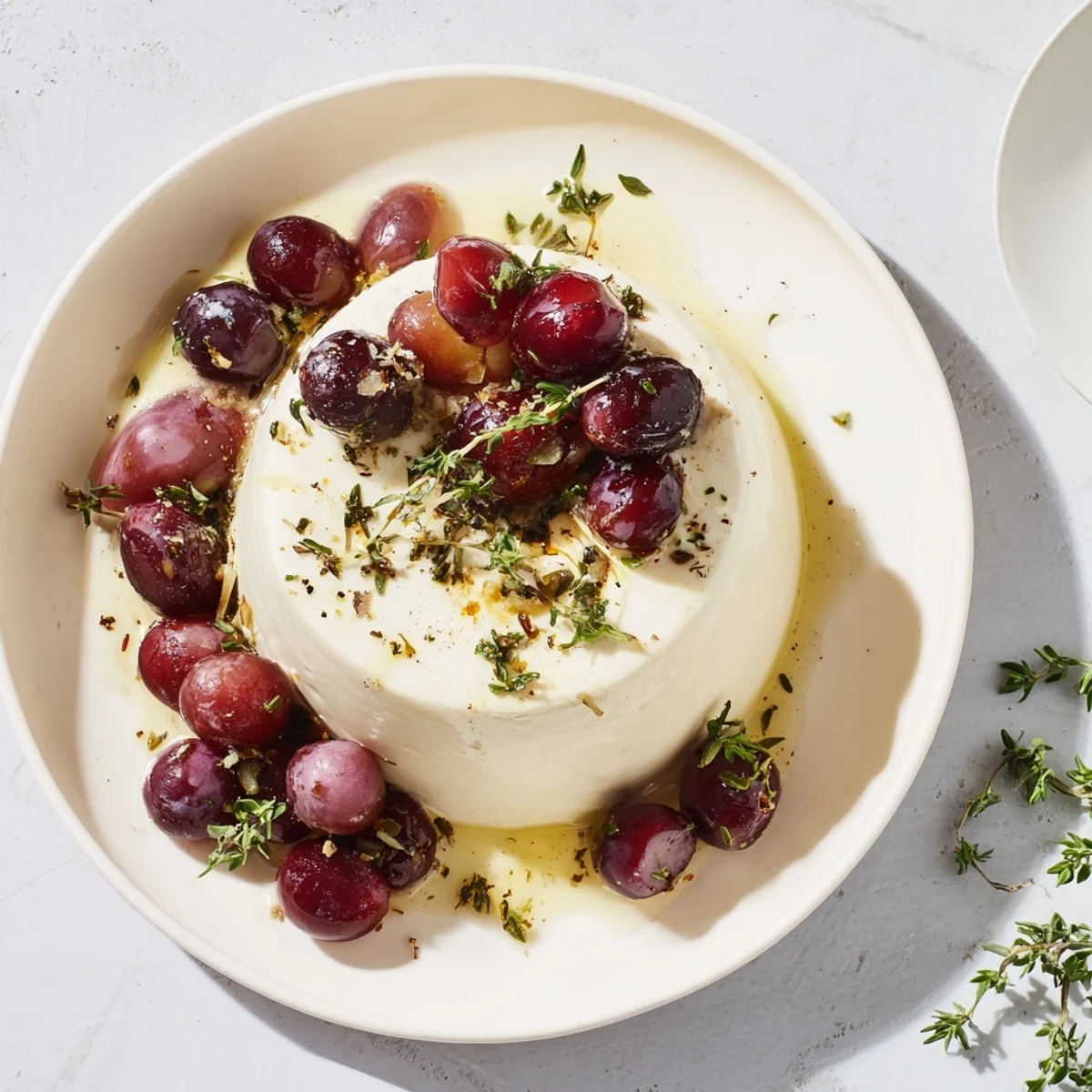
- Run a thin knife around the edge of each panna cotta, invert onto plates, then spoon warm roasted grapes on one side and scatter fresh grape halves on the other
 Pin it
 This dessert has become my go to for bringing to dinner parties because it travels beautifully and looks so impressive when I unmold them onto plates. There's something about serving something that feels fancy but was actually mostly made the day before that makes me feel like I've got my life together.
Make It Your Own
Once you've got the basic panna cotta technique down, you can play with different citrus like lime or grapefruit depending on what's in season. The grape topping is unexpected but so good—roasting concentrates their flavor and brings out natural sweetness you'd never get from fresh grapes alone.
Serving Suggestions
I love serving this in clear glass cups sometimes, skipping the unmolding step entirely and just spooning the grapes right on top. It looks more casual but just as beautiful, and there's something comforting about seeing those gorgeous layers through the glass.
Storage and Make Ahead Tips
The panna cotta keeps beautifully in the fridge for up to three days, which makes it perfect for dinner parties or meal prep. Roast the grapes the same day you're serving them—they reheat gently in a low oven or can even be served at room temperature.
- Don't freeze panna cotta—the texture breaks down and you'll end up with something grainy and sad
- If you're making this for a crowd, multiply the recipe and serve it in one large dish instead of individual portions
- Leftover roasted grapes are amazing on toast with ricotta for breakfast the next morning
 Pin it
 Watch people's faces when they take that first bite—the combination of cool lemon cream, warm roasted grapes, and fresh fruit surprises them every single time.
Recipe FAQs
- → Can I make lemon panna cotta in advance?
-
Yes, panna cotta is an excellent make-ahead dessert. You can prepare it up to 2 days in advance and keep it refrigerated. The roasted grapes can also be made a day ahead—store them separately and bring to room temperature before serving.
- → Why did my panna cotta not set properly?
-
This usually happens if the gelatin wasn't fully bloomed or dissolved, or if the mixture was boiled after adding gelatin (which breaks down its setting properties). Ensure gelatin blooms for 5 minutes in cold water, and dissolve it completely in warm cream without boiling.
- → Can I use other gelatin alternatives?
-
For vegetarian options, agar-agar works well—use about 1 teaspoon powdered agar-agar per cup of liquid. You'll need to boil the mixture to activate agar-agar, which may slightly affect the delicate texture. Follow package instructions precisely as agar sets more firmly than gelatin.
- → What wine pairs best with this dessert?
-
Moscato d'Asti or Prosecco are classic pairings—their light sweetness and effervescence complement the creamy texture and bright citrus. A late-harvest Riesling or off-dry Chenin Blanc also work beautifully with the grape elements.
- → Can I substitute other fruits for the grapes?
-
Absolutely. Roasted figs, berries, stone fruits, or poached pears all work wonderfully. The key is maintaining the dual preparation—roast half the fruit for concentrated sweetness and keep half fresh for brightness against the silky cream base.
- → How do I unmold panna cotta cleanly?
-
Dip the ramekin briefly in warm water (about 5 seconds), run a thin knife around the edge, then invert onto a serving plate. If serving in glasses, simply layer the grapes on top—no unmolding required and equally elegant presentation.