 Pin it
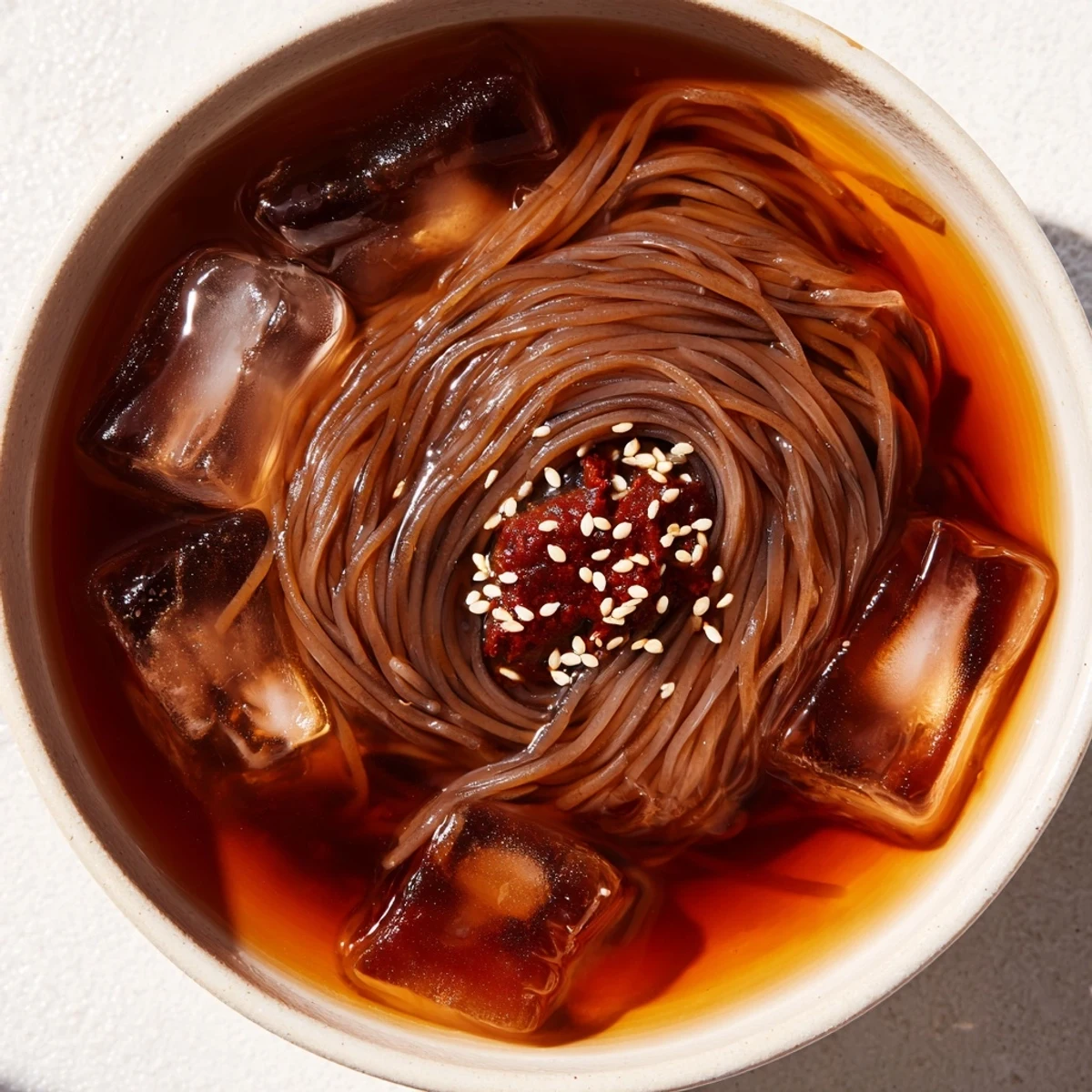
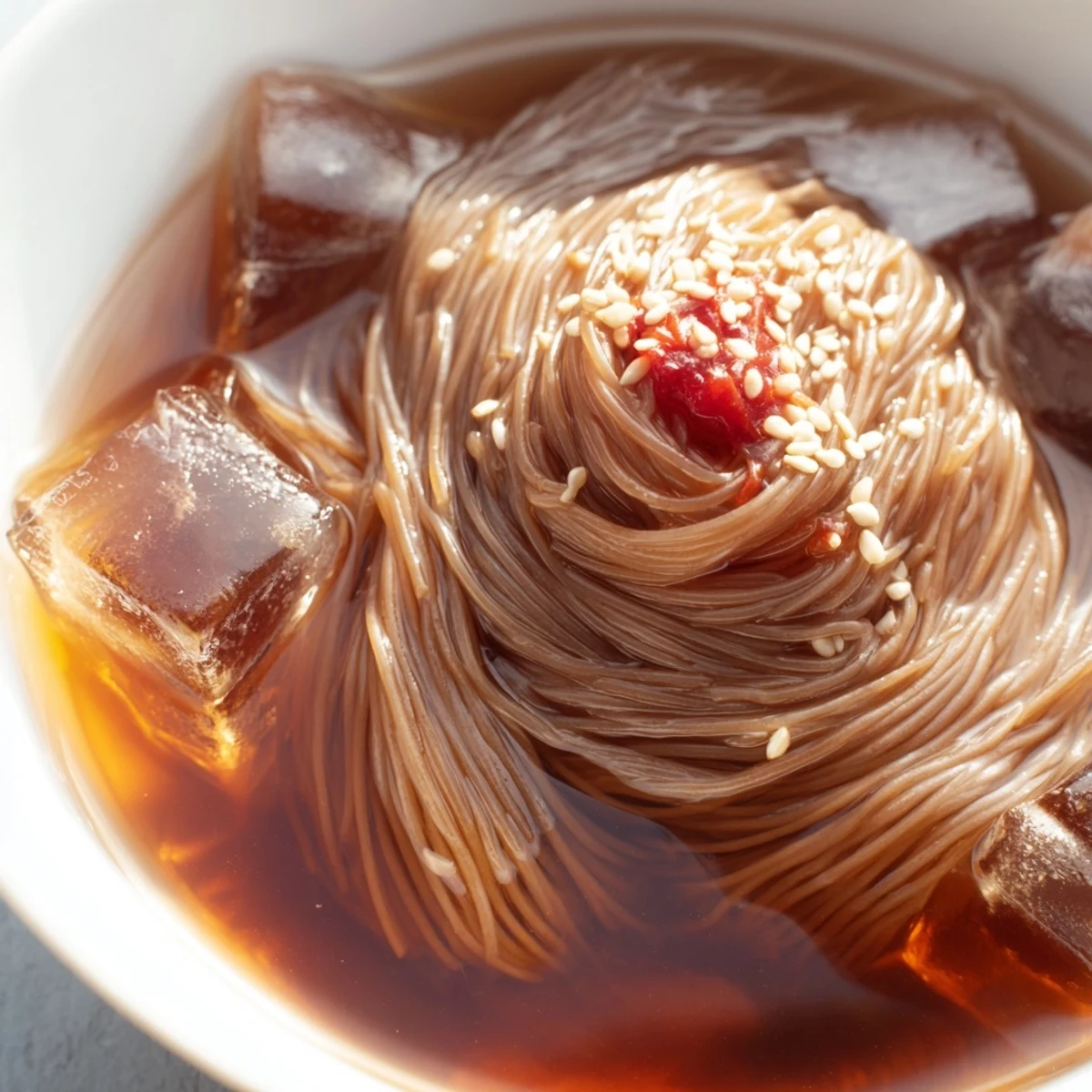
 Experience the refreshing taste of Korean naengmyeon, a beloved cold noodle dish perfect for hot weather. This dish features chewy buckwheat noodles served in an ice-cold tangy broth made with beef stock, rice vinegar, and just the right balance of sweet and savory flavors. The noodles are topped with thinly sliced beef brisket, crisp Asian pear, refreshing cucumber, and protein-rich hard-boiled eggs. The broth gets its signature kick from sesame oil, soy sauce, and rice vinegar, creating a perfectly balanced flavor profile that awakens the palate.
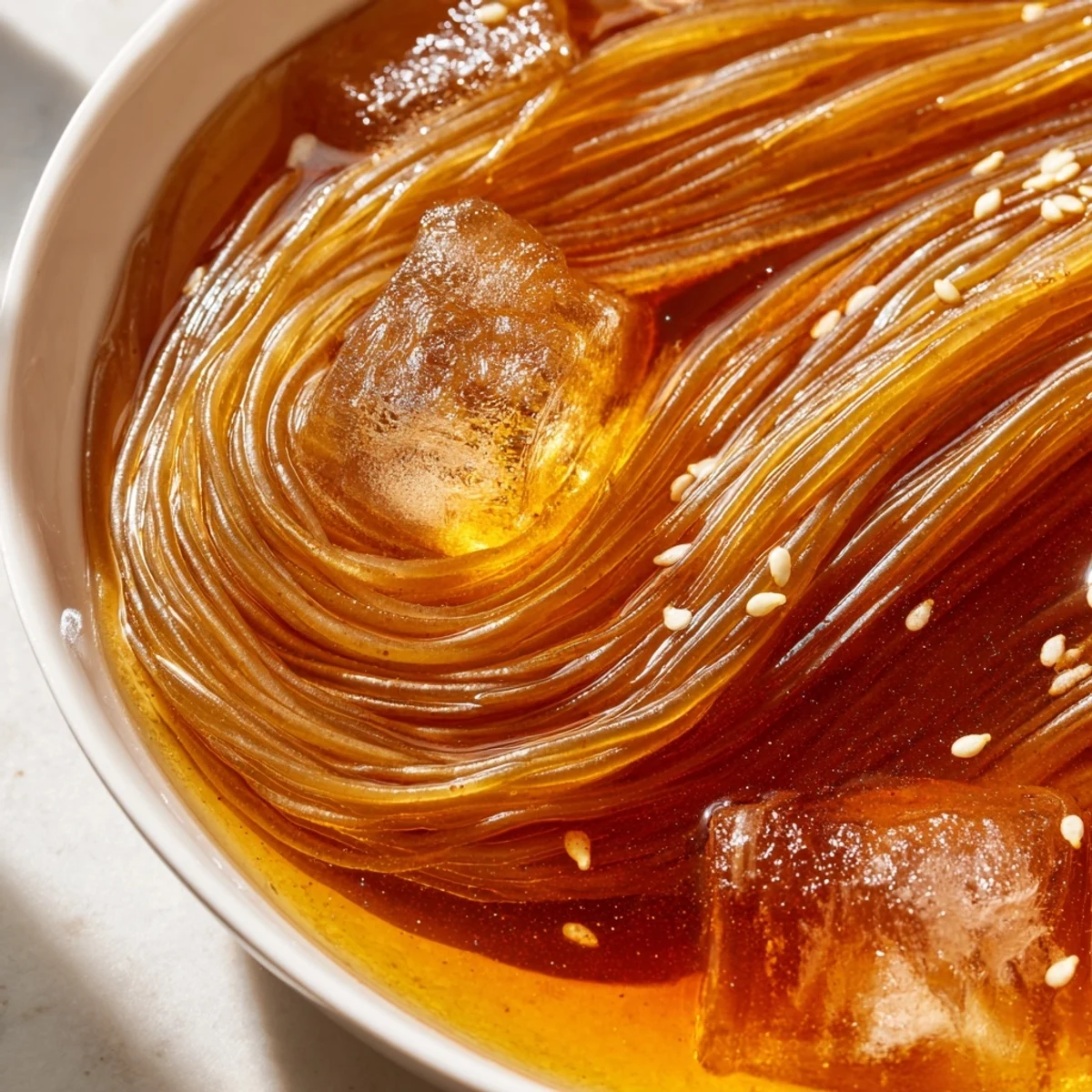
Preparation involves cooking the noodles until perfectly chewy, then rinsing them thoroughly under cold water to remove starch and achieve that signature slippery texture. The broth should be made ahead and thoroughly chilled for the authentic experience. Traditionally served with ice cubes directly in the bowl to maintain optimal temperature, each slurp delivers a refreshing burst of flavor that's both satisfying and light.
The first time I had naengmyeon was at a tiny Seoul restaurant in the dead of winter, watching locals slurp these icy noodles while steam rose from their breath. It seemed counterintuitive until that first shock of cold, tangy broth hit my tongue and suddenly everything made perfect sense. Now I crave it when summer heat makes my apartment feel like a sauna.
Last July I made a giant batch for a rooftop dinner with friends, and even the skeptics who called it weird were going back for thirds. We sat cross-legged on blankets, sweat beading on our foreheads, passing around bowls of something that made 90-degree weather feel suddenly bearable.
Ingredients
- Beef broth: Homemade gives the cleanest flavor, but low-sodium store-bought works perfectly fine.
- Rice vinegar: This is what gives naengmyeon its signature tang without overwhelming the other flavors.
- Naengmyeon noodles: Look for buckwheat noodles specifically labeled for cold soups, they have that perfect chewy texture.
- Asian pear: Adds natural sweetness and incredible crunch that contrasts beautifully with the soft noodles.
- Cucumber: Thinly sliced provides freshness and another layer of crisp texture.
- Cooked beef brisket: Thinly sliced against the grain makes it tender and easy to eat with noodles.
- Ice cubes: Non-negotiable for keeping everything painfully cold until the very last bite.
Instructions
- Make the chilling broth:
- Whisk together beef broth, cold water, rice vinegar, sugar, soy sauce, sesame oil, and salt until everything dissolves completely. Pop it in the fridge for at least 30 minutes, this broth needs to be ice cold.
- Prep your toppings like a pro:
- Boil eggs for exactly 10 minutes, then plunge them into cold water for easy peeling. Slice your beef, cucumber, and Asian paper thin so every bite gets a little bit of everything.
- Cook and shock the noodles:
- Boil those buckwheat noodles for just 3 to 4 minutes, then drain and rinse under freezing cold water until theyre completely chilled. This stops the cooking and gives them that signature chewy texture.
- Build the perfect bowl:
- Divide cold noodles among bowls, pour over that icy broth, and arrange toppings so they look beautiful. Drop in ice cubes right before serving to keep everything painfully cold.
 Pin it
 My friend Sarah texted me at midnight after trying this at my place, demanding the recipe because she could not stop thinking about that broth. Theres something about the combination of cold noodles and spicy gochujang that becomes instantly addictive.
Making It Your Own
While traditional recipes call for beef broth, I have made incredible versions using mushroom broth for a vegetarian twist that still has plenty of depth. The key is keeping that perfect balance of sweet, sour, and salty.
The Ice Factor
Some people think ice cubes in soup is strange, but for naengmyeon it is absolutely essential. The ice slowly melts into the broth, keeping it at that bracing cold temperature that makes the whole dish work so beautifully.
Perfect Sides For This Meal
Korean fried chicken makes an unexpected but fantastic pairing, the hot crispy skin against those cold noodles creates such an incredible temperature contrast. I also love serving simple kimchi on the side to add some fermented funk.
- Set out small bowls of extra vinegar and mustard so everyone can adjust their broth to taste.
- Keep some extra gochujang handy for spice lovers who want more heat.
- Have scissors ready at the table for anyone who wants to shorten their noodles.
 Pin it
 Once you master this recipe, you will find yourself craving it on the hottest days of summer when nothing else sounds good. There is genuine magic in something so simple and so refreshing.
Recipe FAQs
- → What makes naengmyeon noodles unique?
-
Naengmyeon noodles are made primarily from buckwheat and sweet potato starch, giving them a distinctive chewy, slippery texture that's different from Italian pasta or Japanese udon. They're exceptionally thin and long, traditionally meant to be slurped without cutting. The noodles hold up beautifully in cold broth and maintain their springy texture even when chilled.
- → Can I use other noodles if I can't find naengmyeon?
-
While authentic naengmyeon noodles are ideal for the traditional texture and flavor, Japanese soba noodles make an excellent substitute as they're also buckwheat-based. Avoid using regular wheat pasta or rice noodles as they won't provide the same chewy texture or authentic taste. Look for soba in the international aisle of well-stocked grocery stores or Asian markets.
- → How important is the broth temperature?
-
The ice-cold temperature is absolutely essential to the authentic naengmyeon experience. The broth should be thoroughly chilled in the refrigerator before serving, and adding ice cubes directly to the bowls is traditional. This extreme cold enhances the refreshing quality and balances the tangy, savory flavors. Some enthusiasts even freeze portions of the broth to add as ice cubes instead of regular ice.
- → What's the best way to eat naengmyeon?
-
Naengmyeon is traditionally eaten with scissors provided at the table to cut the long noodles into manageable portions. Mix everything thoroughly before eating to distribute the tangy broth, savory beef, sweet pear, and creamy egg throughout. Many diners add extra vinegar, mustard oil, or gochujang at the table to customize the balance of flavors to their preference. Slurping is not only acceptable but encouraged!
- → Can naengmyeon be made vegetarian?
-
Absolutely! Substitute the beef broth with a rich vegetable broth made from kombu (kelp), shiitake mushrooms, and daikon radish. Use fried or baked tofu slices instead of beef brisket, and consider adding more vegetables like carrot ribbons or bell pepper strips for texture and color. The seasoning remains the same, and many find the vegetarian version equally delicious and refreshing.