 Pin it
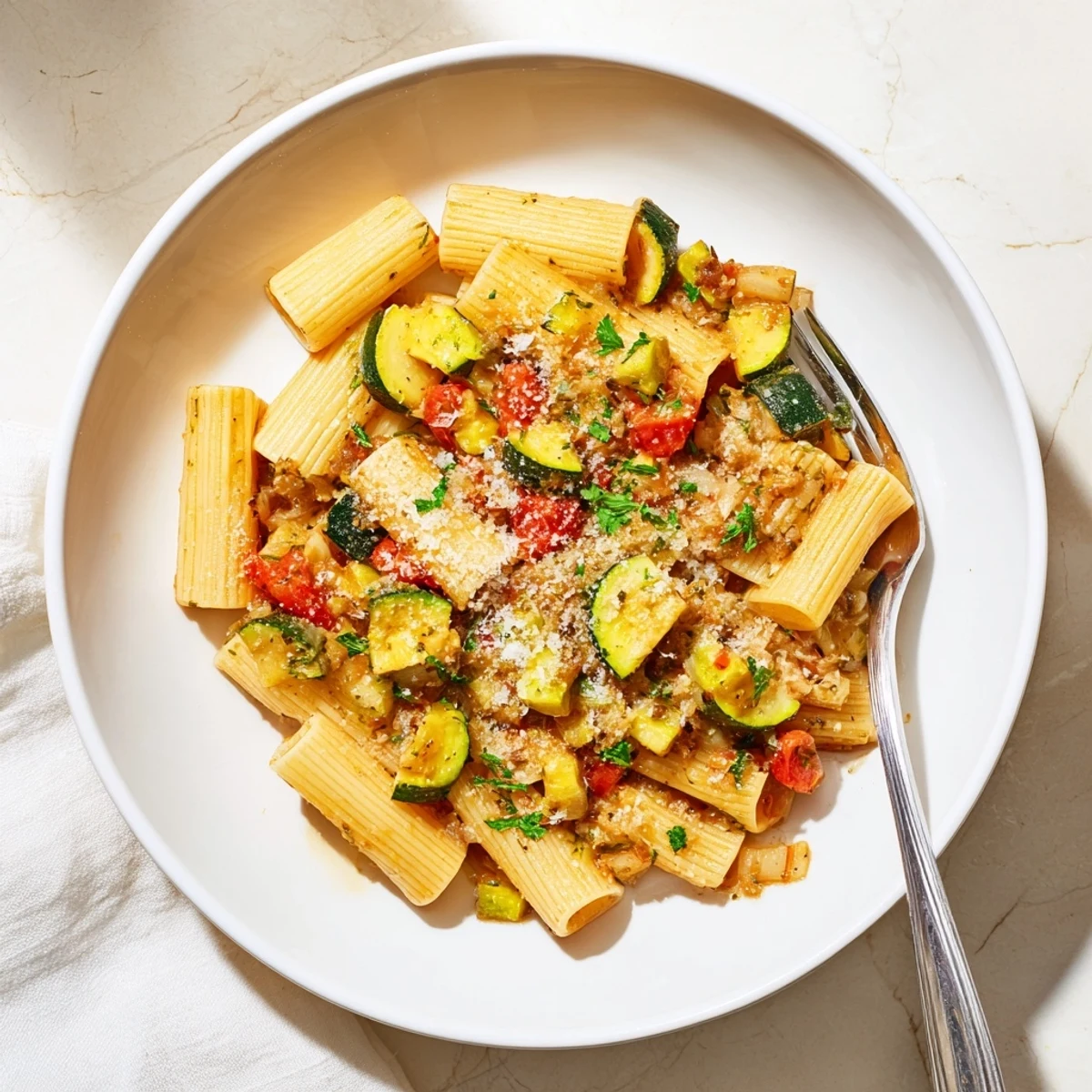
 This versatile Italian-style sauce transforms simple zucchini into a rich, flavorful condiment that pairs beautifully with pasta, grilled meats, or crusty bread. The combination of fresh vegetables—zucchini, onion, garlic, and tomatoes—creates a balanced sauce that's both light and satisfying. Dried oregano and basil add classic Italian herb notes, while a pinch of red pepper flakes provides subtle warmth. The sauce comes together in just 45 minutes, making it perfect for weeknight dinners. For extra depth, add a splash of white wine, or blend for a smoother consistency. This vegetarian and gluten-free sauce yields approximately 4 cups, storing well in the refrigerator for 3-4 days or freezing for longer storage.
My neighbor Anna taught me this sauce last summer when her garden exploded with zucchini and she was desperate to use it all up. We stood in her tiny kitchen with the windows open, listening to Italian music while she chopped and talked with her hands. The smell of garlic hitting olive oil still transports me back to that afternoon, especially when she jokingly threatened to teach me to make pasta from scratch if I didnt stop taking notes. Now I make this every time zucchini season rolls around, and honestly, it's become the sauce I crave even in the dead of winter.
Last month I made this for my sister who claims to hate zucchini, and she literally asked if there was cream in the sauce. That moment of watching someone reconsider their entire relationship with a vegetable theyve disliked for years was pretty satisfying. I've started doubling the recipe just so I can freeze some for those nights when cooking feels impossible but takeout feels wrong.
Ingredients
- 2 medium zucchini: Fresh ones with firm skin work best here since they hold their shape during cooking
- 1 medium yellow onion: Finely chopped so it practically melts into the sauce
- 2 cloves garlic: Minced fresh because garlic powder just doesnt give you that same aromatic punch
- 1 can diced tomatoes: The juice is essential for creating that saucy consistency
- 1 small carrot: Grated it adds natural sweetness that balances the acidity
- 2 tbsp extra virgin olive oil: This is your flavor foundation so dont skimp
- 1 tsp dried oregano and basil: Dried herbs work beautifully here but double the amount if using fresh
- 1/2 tsp red pepper flakes: Optional but they add this subtle warmth that keeps things interesting
- 2 tbsp fresh parsley: Stir this in at the very end for a bright fresh finish
Instructions
- Heat the olive oil in a large skillet over medium heat:
- You want it shimmering but not smoking then add your onion
- Sauté the onion for 3–4 minutes:
- Watch for them to turn translucent and soft before moving on
- Add the garlic and cook for 1 minute:
- Stir constantly because garlic goes from fragrant to bitter faster than youd think
- Add the zucchini and grated carrot:
- Let them cook for 5–7 minutes until they start to soften but still have some bite
- Pour in the diced tomatoes with their juice:
- Add all your herbs and seasonings now so the flavors have time to meld
- Simmer on low heat for 20 minutes:
- Stir occasionally and let it reduce until it coats a spoon beautifully
- Season and finish with fresh parsley:
- Taste first because zucchini varies in sweetness then adjust salt and pepper
 Pin it
 This sauce has become my go-to for potlucks because it works with literally everything from pasta to grilled chicken to just scooped up with crusty bread. Last week I served it over polenta and my husband actually said it was better than the version we had in Rome which is basically the highest compliment he can give anything.
Making It Your Own
Sometimes I add a handful of spinach or chopped kale in the last five minutes of cooking just to sneak in more greens. The vegetables practically disappear into the sauce so no one feels like theyre eating something healthy against their will.
Storage And Meal Prep
This sauce keeps beautifully in the fridge for up to five days and actually tastes better the next day as the flavors continue to develop. I freeze it in mason jars leaving an inch of space at the top for expansion then just thaw overnight in the fridge whenever I need a quick dinner.
Serving Ideas
Beyond the obvious pasta applications this sauce is incredible spooned over roasted chicken or used as a base for shakshuka. Sometimes I just serve it in a bowl with a poached egg on top and call it breakfast.
- Try it spread on bruschetta with a little extra Parmesan
- Mix it into risotto during the last few minutes of cooking
- Use it as a pizza sauce topped with fresh mozzarella
 Pin it
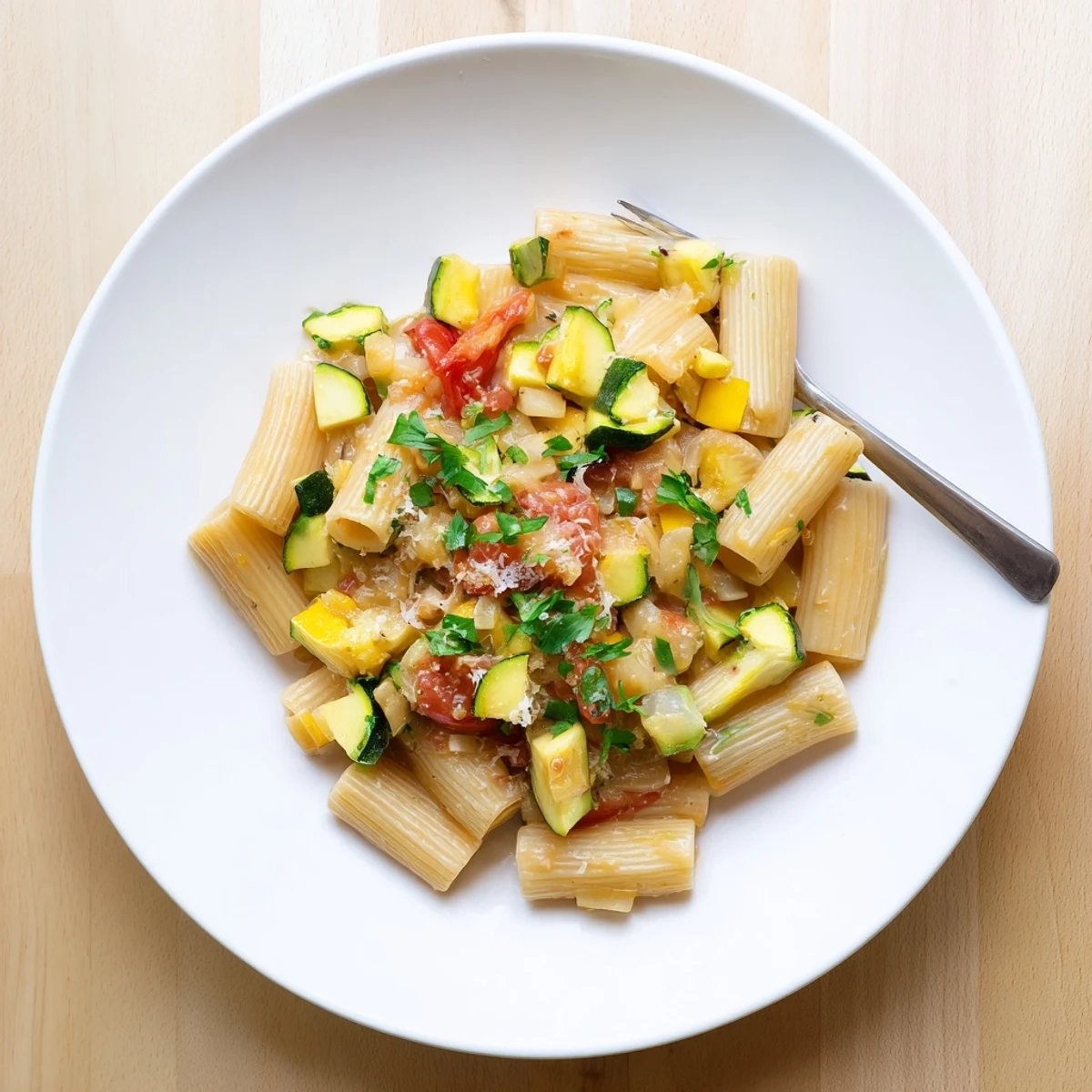
 Theres something so satisfying about turning simple garden vegetables into a sauce that feels restaurant worthy and elegant. This recipe reminds me that the best dishes often come from making do with what you have and letting fresh ingredients shine.
Recipe FAQs
- → Can I freeze this zucchini sauce?
-
Yes, this sauce freezes exceptionally well. Let it cool completely, then transfer to airtight containers or freezer bags. It will keep for up to 3 months in the freezer. Thaw overnight in the refrigerator before reheating gently on the stovetop.
- → What pasta shapes work best with this sauce?
-
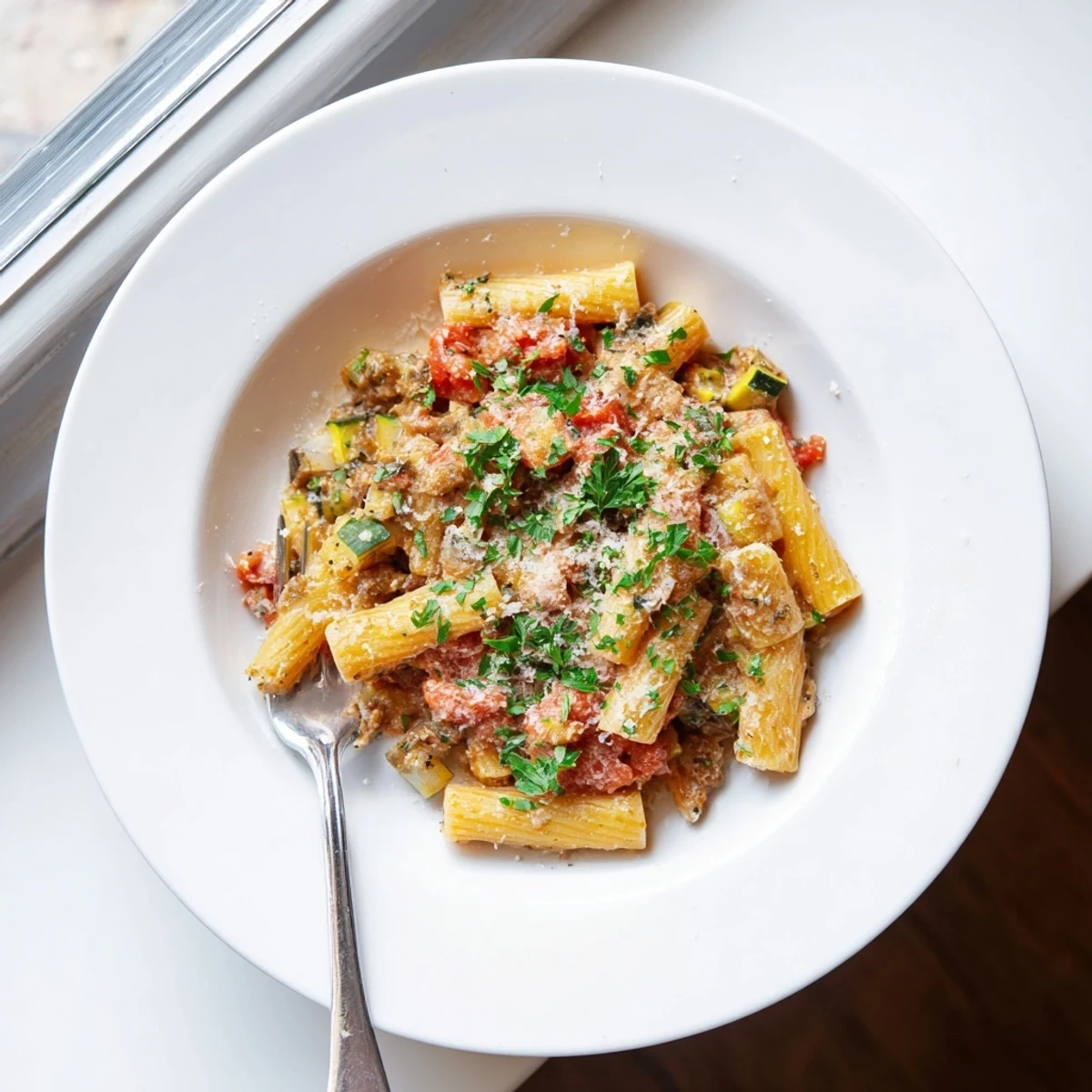
This versatile sauce pairs well with most pasta shapes. Short pasta like penne, rigatoni, or fusilli catches the sauce nicely in their ridges. For long pasta, spaghetti, linguine, or fettuccine work beautifully. The sauce also complements stuffed pasta like ravioli or tortellini.
- → How can I make this sauce heartier?
-
To add more substance, consider incorporating cannellini beans, chickpeas, or browned Italian sausage. For a protein-rich vegetarian version, stir in lentils during the last 15 minutes of cooking. You can also add diced bell peppers or eggplant along with the zucchini for more texture and flavor complexity.
- → Is it necessary to peel the zucchini?
-
No, peeling is not necessary. The zucchini skin adds color and holds its shape during cooking. However, if you prefer a smoother sauce or are working with larger, more mature zucchini with tough skin, you may peel it before dicing. Baby or young zucchini typically have tender skin that doesn't require peeling.
- → Can I use fresh herbs instead of dried?
-
Absolutely. Fresh herbs provide a brighter, more vibrant flavor. Substitute 1 tablespoon of fresh herbs for each teaspoon of dried. Add fresh delicate herbs like basil and parsley near the end of cooking to preserve their flavor, while heartier herbs like fresh oregano can be added earlier in the cooking process.
- → How do I know when the sauce is done?
-
The sauce is ready when it has thickened considerably and the zucchini is tender but not falling apart. You should be able to draw a spoon through the sauce and see the bottom of the pan briefly. The flavors will have melded together, and the sauce will coat the back of a spoon.