 Pin it
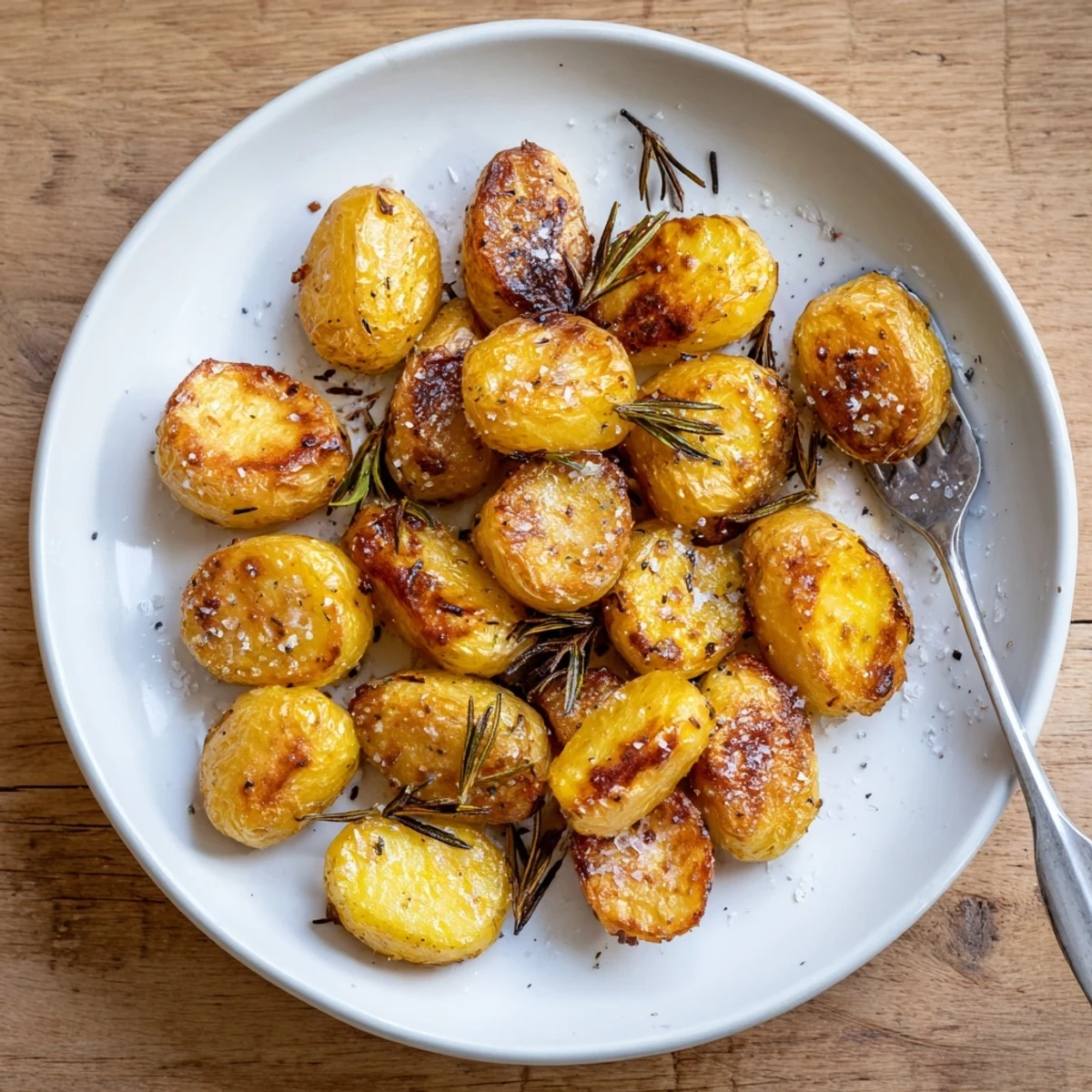
 These classic roast potatoes deliver the perfect combination of crispy, golden exteriors and light, fluffy interiors. The secret lies in parboiling the potatoes first to roughen the edges, then roasting them in hot fat until beautifully browned.
Ready in just one hour with minimal prep work, these potatoes make an ideal side for roast dinners, holiday meals, or everyday family suppers. Choose between vegetable oil for a lighter result or duck fat for rich, traditional flavor.
The method is straightforward yet foolproof: boil to soften the outsides, shake to create textured edges, then roast at high heat for maximum crispiness. Season simply with sea salt and pepper, or add garlic and herbs for extra depth.
My flatmate Sarah used to make these every Sunday without fail. The whole building knew when they were in the oven. I begged her for the secret for months before she finally showed me the roughening trick.
Last Christmas, I made three batches because my family kept eating them straight from the roasting tray while I tried to plate everything else. My dad actually stood by the oven with a fork.
Ingredients
- 1.5 kg floury potatoes: Maris Piper or Yukon Gold work beautifully because they have that perfect starch content to get fluffy inside while crisping up outside, and waxy potatoes just will not give you the same texture
- 1 tbsp salt for boiling: This seasons the potatoes from the inside out, and I learned the hard way that undersalted boiling water leads to bland roast potatoes regardless of how much salt you add later
- 75 ml vegetable oil, duck fat, or goose fat: Duck fat creates the most incredible golden crust and rich flavor, but good vegetable oil works perfectly fine if you want to keep it vegetarian or do not have duck fat on hand
- 1 tsp sea salt flakes and 1/2 tsp black pepper: Finish with these after roasting because sea salt flakes give you those gorgeous salty bursts and freshly ground pepper has a warmth that pre-ground lacks completely
- 2 cloves garlic and 2 sprigs rosemary or thyme: These are optional but I highly recommend them because the garlic becomes sweet and mellow while roasting, and woody herbs perfume the oil beautifully
Instructions
- Get everything ready first:
- Preheat your oven to 220°C (430°F) and put your roasting tray inside so it gets screaming hot, because cold trays make sad soggy potatoes while hot trays create immediate contact crunch
- Parboil the potatoes:
- Put your peeled and chunked potatoes in a large saucepan, cover completely with cold water, add that tablespoon of salt, bring to a boil, then simmer for about 10 minutes until the edges start looking slightly fuzzy or softened but the centers are still firm
- Create the rough edges:
- Drain thoroughly in a colander, let them steam dry for a couple of minutes, then return to the warm pan and shake vigorously until the edges look battered and rough because those rough bits are what turn into the crispy bits we all fight over
- Coat them in fat:
- Carefully pour your hot oil or fat over the potatoes and toss gently until every piece is glistening and coated, taking care not to break them up too much since you want to keep some pieces substantial
- Roast to perfection:
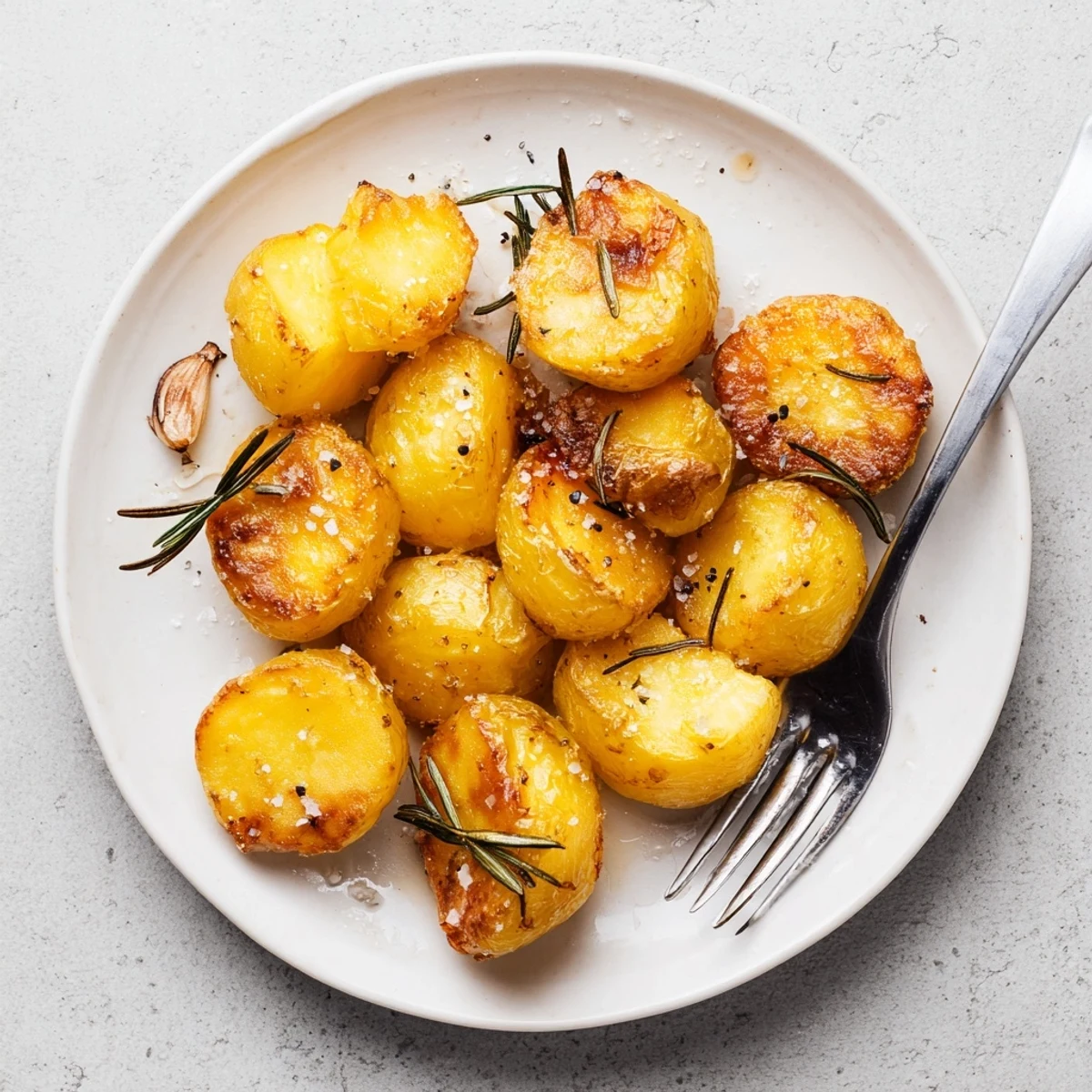
- Pull that hot roasting tray from the oven, tip the potatoes in and spread them into a single layer so each piece has maximum contact with the hot metal, then roast for 20 minutes before turning them and giving them another 20 to 25 minutes until they are deeply golden and the sound when you shake the tray is crisp and rattling
 Pin it
 My grandmother always said the mark of a good cook is the roast potatoes. I finally understand what she meant after years of mediocre attempts.
Choosing Your Fat
Duck fat is undeniably luxurious and gives you that restaurant quality finish with incredible depth of flavor. However, good vegetable oil works beautifully for a lighter version and keeps things vegetarian friendly. Goose fat is another excellent option if you can find it, particularly around holiday seasons when it appears in shops more frequently.
Make Ahead Strategy
You can parboil and roughen the potatoes up to a day ahead, then keep them in the fridge covered with a damp cloth. Some people even freeze them at this stage and roast straight from frozen, adding just a few extra minutes to the cooking time. This has saved me countless times when hosting big dinners.
Serving Suggestions
These potatoes are incredibly versatile and pair with almost anything. They are classic with roast meats but also work beautifully alongside grilled fish or as part of a vegetarian spread. Sometimes I make them just as a snack with a bit of mayonnaise for dipping.
- Try tossing a lemon half into the roasting tray for the last 10 minutes to add bright citrus notes
- Add whole unpeeled garlic cloves alongside the potatoes for sweet, spreadable garlic that people can squeeze out onto their plates
- Finish with a scattering of fresh parsley right before serving to add a pop of color and freshness
 Pin it
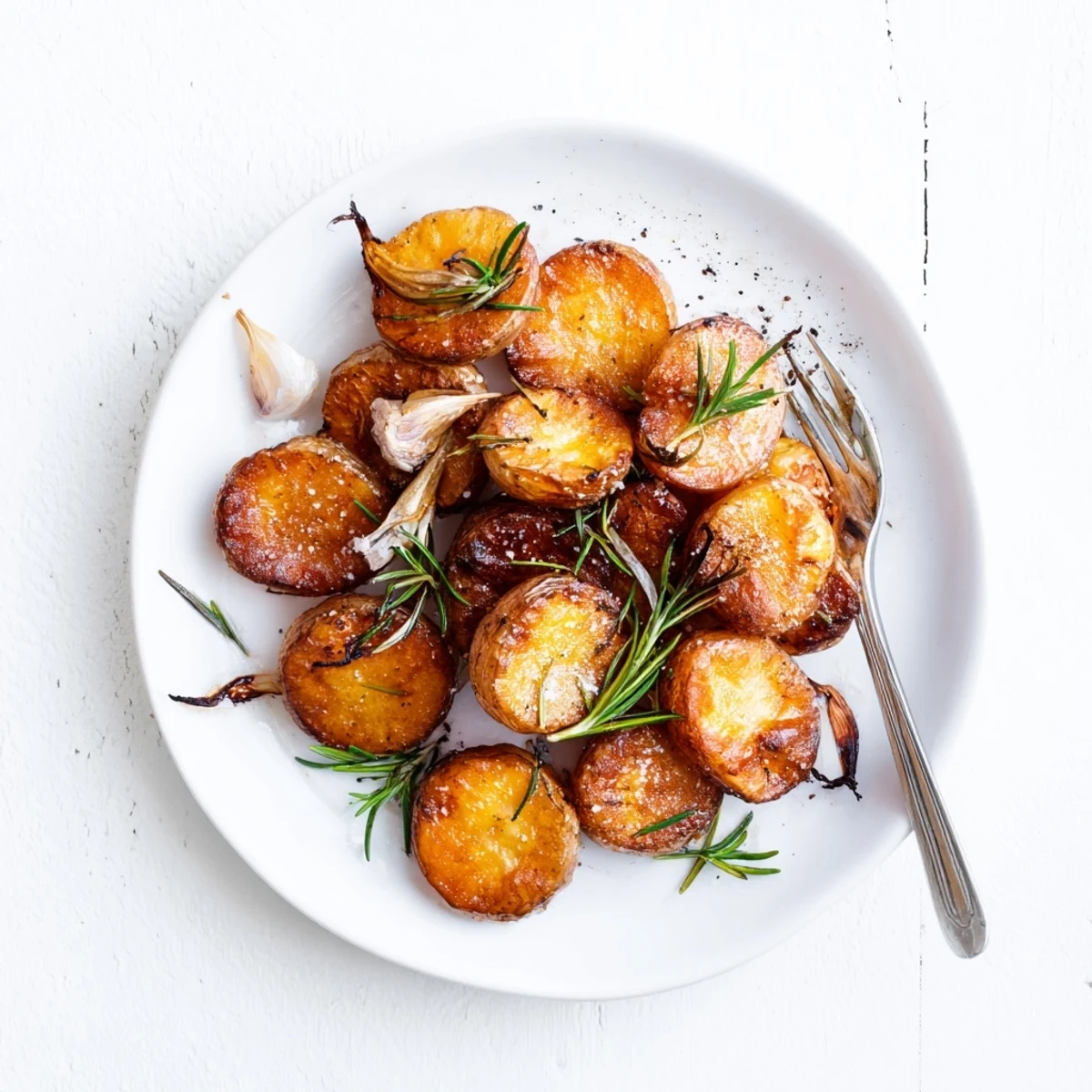
 There is something deeply satisfying about pulling a tray of golden roast potatoes from the oven. The sound alone makes the whole house come running.
Recipe FAQs
- → What type of potatoes work best for roasting?
-
Floury or starchy potatoes like Maris Piper, Yukon Gold, or Russet varieties deliver the best results. Their high starch content creates that perfect fluffy interior while the exterior crisps beautifully in hot oil or fat.
- → Why do I need to parboil the potatoes before roasting?
-
Parboiling softens the outside layer of the potatoes, and shaking them in the pan afterward creates rough, textured surfaces. These roughened edges catch the hot fat and become wonderfully crispy during roasting, while the inside stays fluffy and light.
- → Can I make these ahead of time?
-
Yes, you can parboil and roughen the potatoes up to a day in advance, then freeze them on a baking tray. Roast straight from frozen, adding a few extra minutes to the cooking time. This makes preparation much easier for large meals.
- → Is duck fat better than vegetable oil?
-
Duck or goose fat produces exceptional results with rich flavor and superior crispiness. However, vegetable oil works perfectly well and creates a lighter finish. Choose based on your preference and dietary needs—both methods deliver delicious golden potatoes.
- → How do I keep roast potatoes crispy?
-
Serve immediately for maximum crispiness. If you need to hold them, keep warm in a low oven (150°C/300°F) uncovered rather than covering with foil, which traps steam and makes them soggy. Don't salt until just before serving for optimal crunch.
- → What temperature should I roast potatoes at?
-
A hot oven at 220°C (430°F) is ideal for creating crispy exteriors. Starting with a preheated roasting pan and hot fat ensures the potatoes begin crisping immediately when they hit the metal, preventing them from becoming greasy.