 Pin it
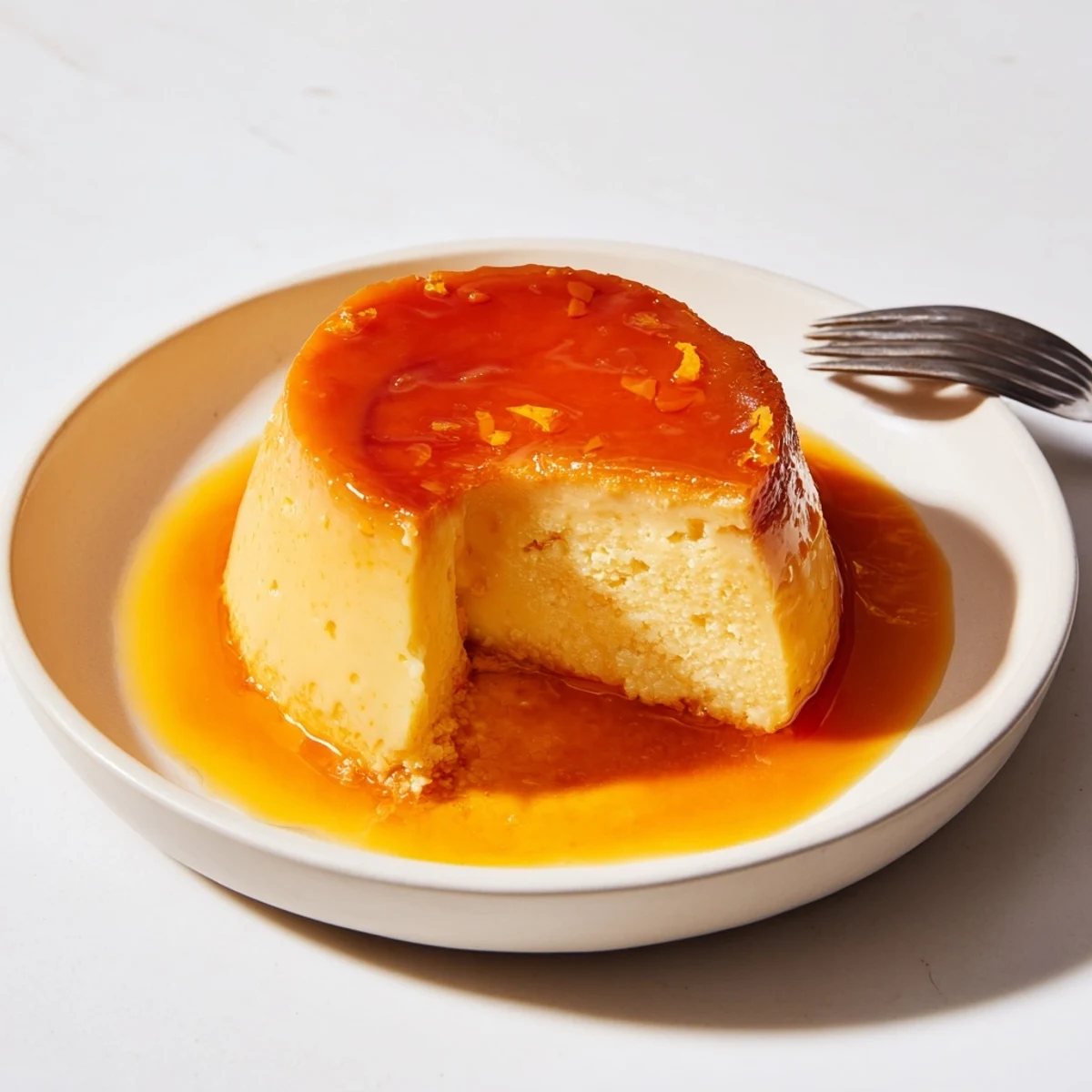
 Flan Napolitano is a silky custard made from condensed and evaporated milk, whole milk, eggs and vanilla, baked in a caramel-lined mold in a bain-marie. After about 60 minutes in a 350°F oven, cool, then chill at least 3 hours to set. Strain the custard for extra silkiness. Use a heavy saucepan for sugar caramel to avoid burning; add orange zest or toasted coconut for garnish and serve chilled.
The kitchen smelled like burnt sugar and panic the first afternoon I attempted flan, because I turned my back on the caramel for exactly twelve seconds too long and ended up with a saucepan full of black smoke and a very patient abuela on video call shaking her head at me. That disaster taught me more about patience than any cookbook ever could, and now this Mexican custard has become my most requested dinner party finale. The wobble of a perfectly set flan as you carry it to the table is one of the most satisfying sights in any kitchen.
My friend Sandra brought a flan to a potluck years ago and refused to share the recipe for months, claiming it was a family secret guarded for three generations. I finally wore her down with enough margaritas and promises, and she admitted her abuela had actually clipped it from a magazine in the 1970s. We still laugh about it every time I make it.
Ingredients
- Granulated sugar (1 cup): This is for the caramel layer and you want plain white sugar so you can watch the color change accurately without any distractions.
- Water (1/4 cup): Just enough to help the sugar melt evenly at the start before it transforms into liquid gold.
- Sweetened condensed milk (1 can, 14 oz): The backbone of sweetness and richness, and you should never swap this for anything else because it is non negotiable.
- Evaporated milk (1 can, 12 oz): Adds a concentrated dairy depth that regular milk alone cannot achieve.
- Whole milk (1 cup): Balances the density of the canned milks with a lighter, fresher dairy note.
- Large eggs (4 whole plus 4 yolks): The extra yolks are what give this flan its luxurious, almost velvety finish that separates it from a basic custard.
- Vanilla extract (1 tbsp): Use real extract here because you will absolutely taste the difference in such a simple dessert.
- Salt (1/4 tsp): A tiny pinch that makes all the sweetness sing louder and more clearly.
- Orange zest (from 1 orange, optional): Sandra never used it but I started adding it after tasting a version in Oaxaca that had this bright, unexpected citrus whisper running through every bite.
Instructions
- Heat the oven:
- Set your oven to 350 degrees Fahrenheit and move a rack to the middle position so the flan bakes evenly without browning too fast on top.
- Make the caramel:
- Combine sugar and water in a heavy saucepan over medium heat and do not stir it with a spoon, just gently swirl the pan by the handle. Watch it like a hawk because it goes from perfect golden amber to burnt in a flash, and you want to pour it into your baking dish the instant it reaches that honey colored stage. Tilt the dish quickly to coat the bottom before it hardens.
- Build the custard:
- Whisk the whole eggs, yolks, and salt together in a large bowl until blended but not frothy, then pour in all three milks along with the vanilla and orange zest. Whisk gently until everything is smooth and unified.
- Strain for silkiness:
- Pour the custard through a fine mesh sieve directly into your caramel lined dish, because this single step catches any stray egg bits and guarantees that impossibly smooth texture everyone loves.
- Set up the water bath:
- Place the flan dish inside a larger roasting pan and carefully pour hot water into the roasting pan until it reaches halfway up the sides of the flan dish. This gentle, steamy insulation is what prevents cracks and ensures even cooking throughout.
- Bake until set:
- Slide the whole setup into the oven and bake for about 60 minutes, checking near the end by giving the dish a gentle nudge so you can see the center barely jiggle like gelatin. It will continue to set as it cools.
- Cool and chill thoroughly:
- Remove the flan dish from the water bath and let it sit at room temperature until it is no longer warm, then cover and refrigerate for at least 3 hours or ideally overnight for the cleanest slices.
- Unmold with confidence:
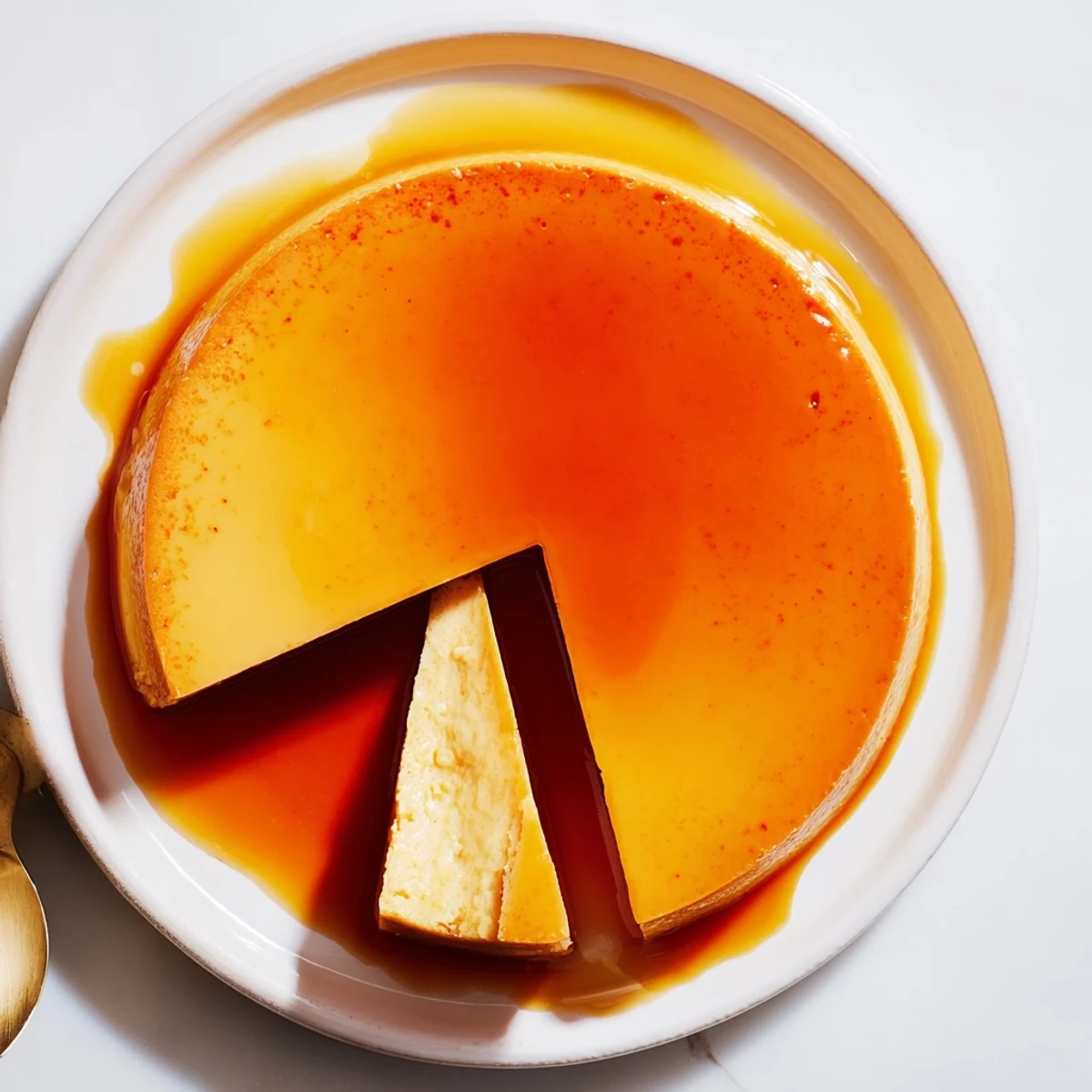
- Run a thin knife around the edge of the chilled flan, place a large serving plate upside down on top, and flip the whole thing over in one swift motion. Give it a gentle shake and listen for that satisfying slurp as the caramel releases and pools around the edges.
 Pin it
 The sound that caramel makes when it hits a cold ceramic dish is something between a crack and a song, and it still startles me every time in the best possible way.
Serving Suggestions
A sprinkle of toasted coconut on top adds a chewy contrast that plays beautifully against the smooth custard, and fresh berries bring a tartness that cuts through all that richness. Strong coffee or a small glass of Moscato alongside turns a simple dessert course into something that keeps people sitting at the table talking for another hour.
Handling Common Mistakes
If your flan has air bubbles throughout, you probably whisked too aggressively when combining the milks and eggs. A gentle hand and that fine sieve are your best insurance against a spongy texture. If the center collapses after unmolding, it simply needed more chilling time.
Make Ahead and Storage
This dessert actually improves overnight in the refrigerator as the flavors settle and the caramel permeates the custard more deeply. You can keep it covered for up to three days without any loss in quality.
- Always store it in the baking dish until the day you plan to serve it for the cleanest flip.
- Leftover slices hold their shape well in an airtight container in the fridge.
- Never freeze flan because the texture breaks down and becomes grainy when thawed.
 Pin it
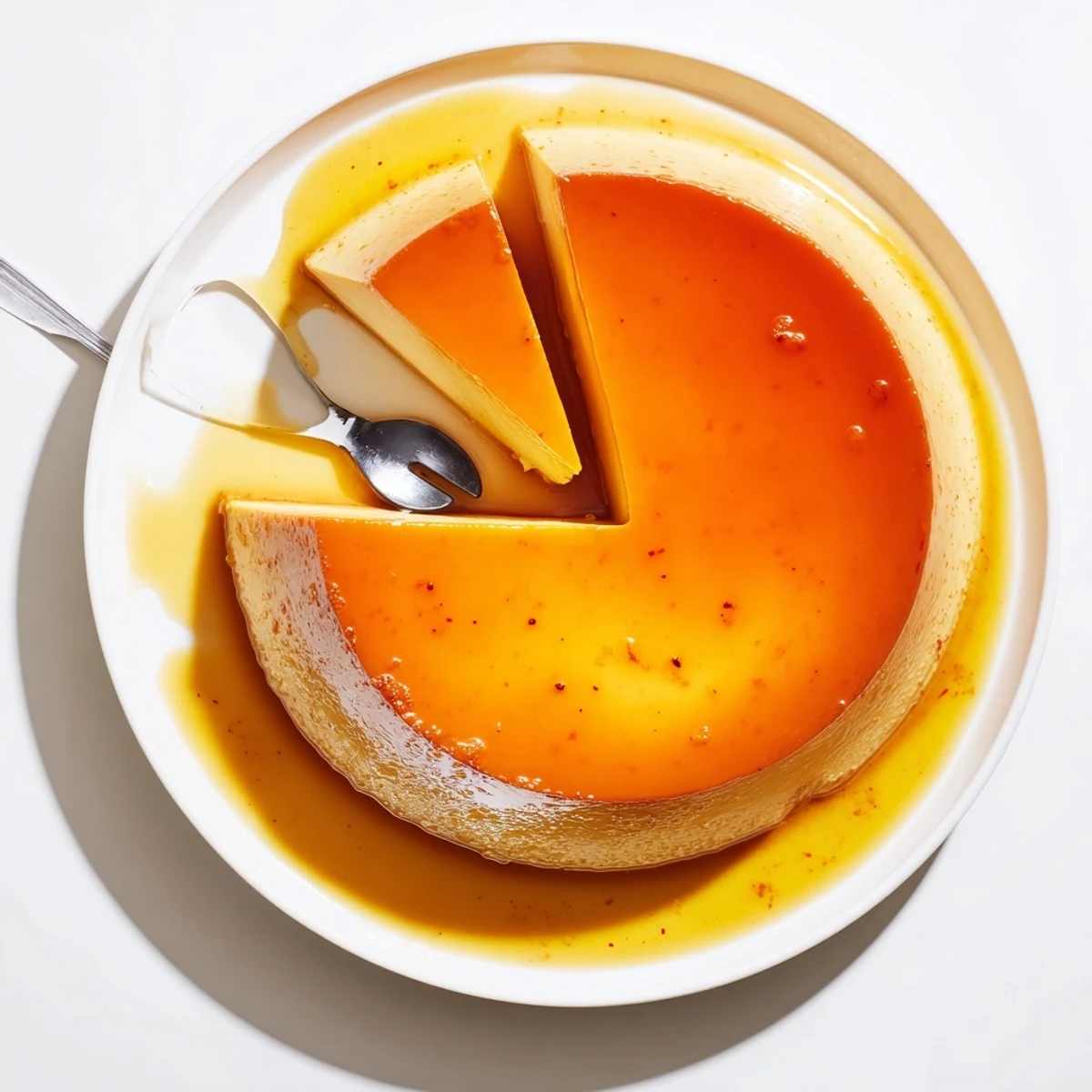
 Every time I flip that dish and watch the caramel cascade down the sides of a perfectly set flan, I feel like I have pulled off a small kitchen miracle. This is the kind of recipe that turns an ordinary meal into a celebration.
Recipe FAQs
- → How do I get a smooth, jiggly texture?
-
Whisk eggs gently, strain the custard through a fine sieve before pouring, and bake in a water bath so the mixture cooks evenly without curdling.
- → What’s the best way to make the caramel?
-
Cook sugar and water over medium heat without stirring until it turns a deep amber. Swirl the pan if needed and pour immediately into the mold to coat the base before it hardens.
- → Can I substitute any milks for richness?
-
Yes. Half-and-half or a mix of whole milk and cream will increase richness. Adjust chilling time slightly if using heavier dairy.
- → How long should I bake and chill?
-
Bake about 60 minutes at 350°F until the center barely jiggles. Cool to room temperature, then refrigerate at least 3 hours or overnight for best texture.
- → How do I prevent the caramel from becoming too bitter?
-
Watch the sugar closely as it changes color; remove from heat once amber and pour immediately. Carryover cooking in the hot pan can quickly lead to bitterness.
- → Any tips for unmolding cleanly?
-
Run a thin knife around the edge, warm the bottom briefly over a hot surface or dip the mold's base in warm water, then invert onto a plate to release the custard and caramel.