 Pin it
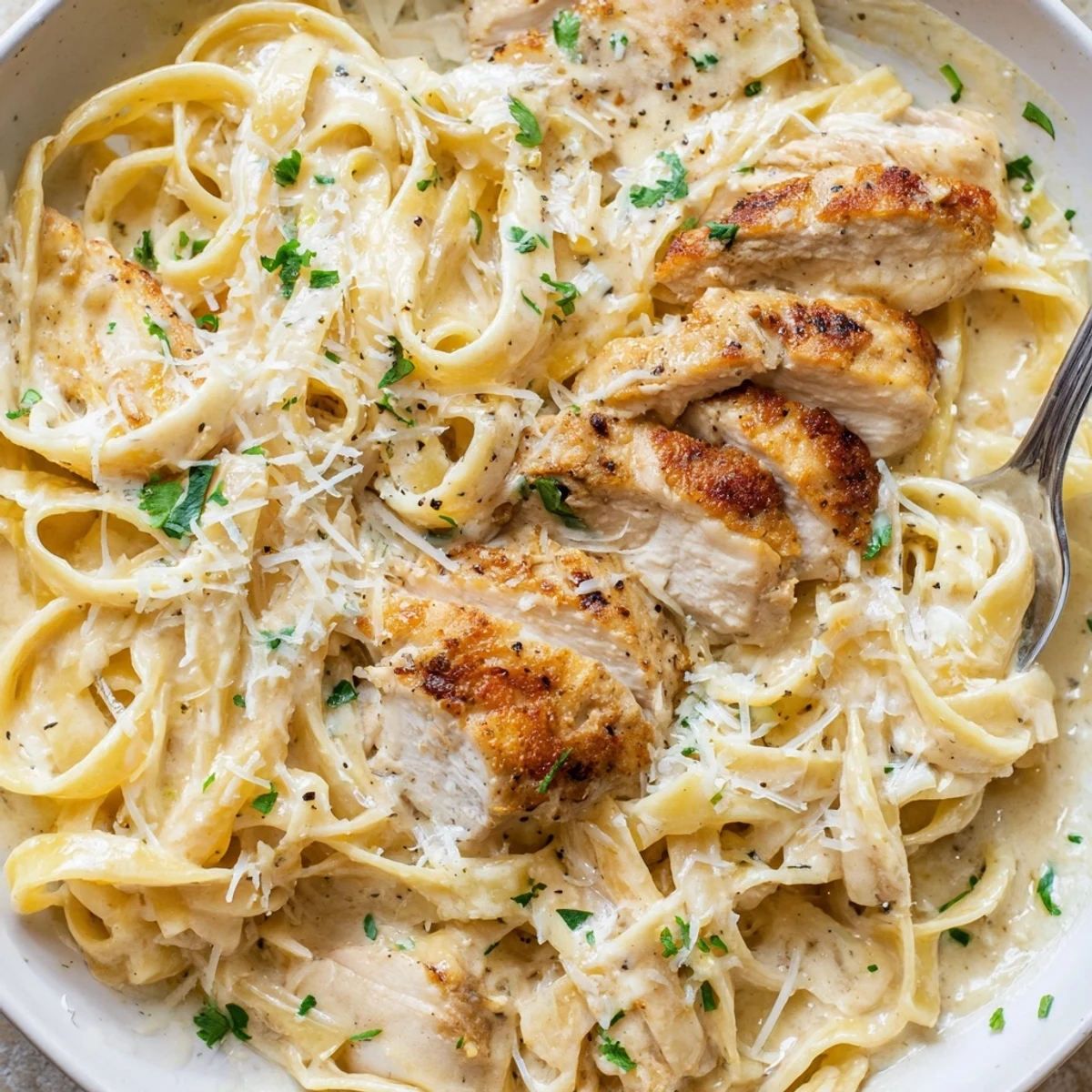
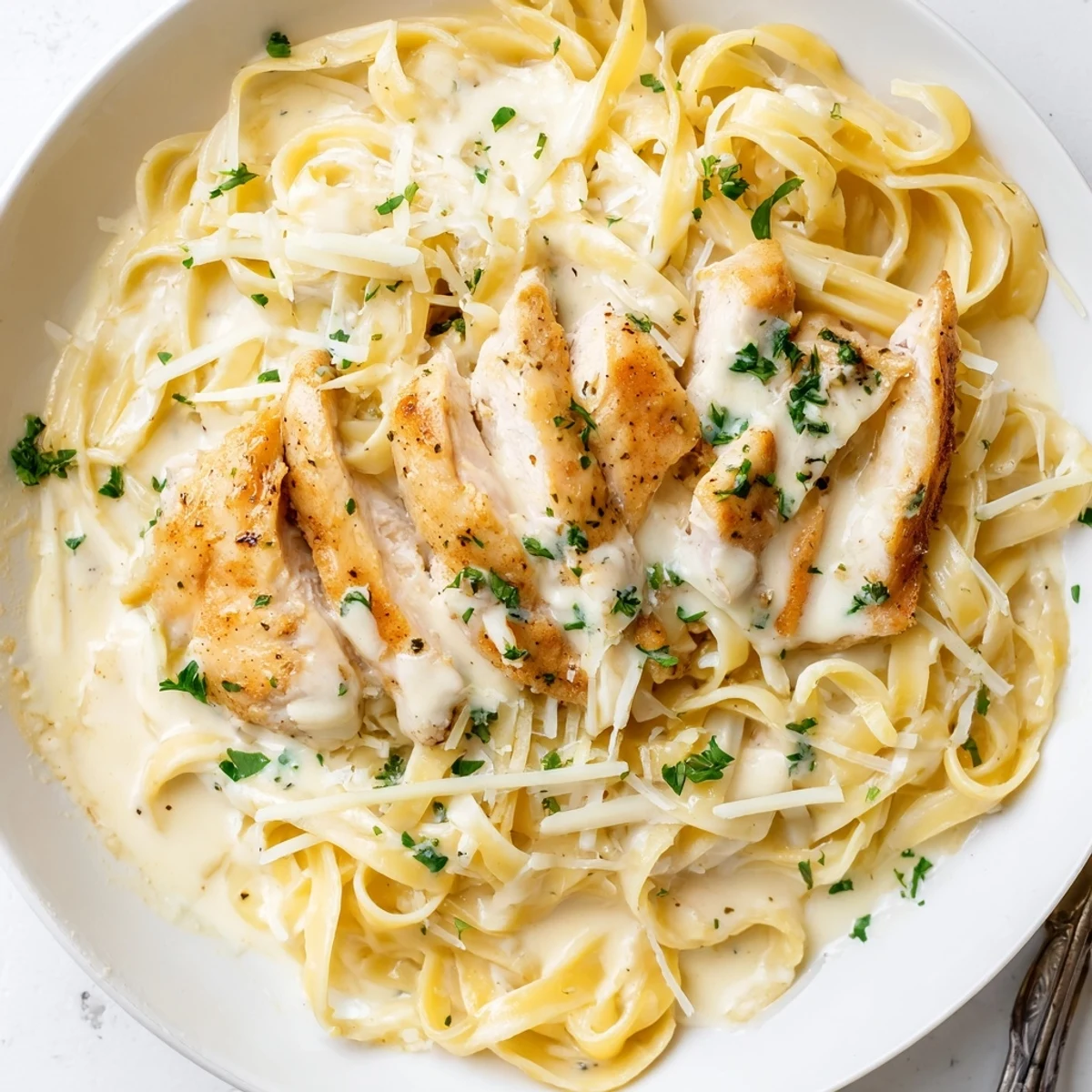
 Seared, seasoned chicken breasts are sliced and tossed with al dente fettuccine in a silky garlic and Parmesan cream sauce. Start the pasta while you brown the chicken, then sauté onion and garlic in the same pan, deglaze with chicken broth, add cream and cheese, and finish by loosening the sauce with reserved pasta water. Garnish with chopped parsley and serve immediately for a quick, comforting main.
The sizzle of garlic hitting the pan always makes me pause, even on the busiest weeknights. I stumbled into making this Creamy Garlic Chicken Pasta one rushed evening when the fridge looked disappointingly sparse. On a whim, I threw together odds and ends, expecting only to silence my hunger. Instead, I found myself lingering at the stove, drawn in by the comforting aroma swirling through my kitchen.
I remember the time I made this for my neighbor after she broke her ankle - she insisted it was good enough for a celebration, not just a Tuesday evening recovery meal. The sight of her face lighting up with the first bite made me blush with a quiet pride I hadn&apost expected from a humble skillet of pasta.
Ingredients
- Chicken breasts: Slicing them thin and searing quickly keeps them juicy and tender - don&apost skip the resting step after cooking.
- Fettuccine or linguine: Use whichever you have; just cook until just al dente to soak up that creamy sauce without turning gummy.
- Garlic: Minced fresh, it gives the whole dish its signature aroma, but don&apost let it brown or the flavor will turn bitter.
- Yellow onion: Chopped finely, it melts into the sauce, adding depth without overshadowing the garlic.
- Fresh parsley: A generous sprinkle brings brightness and color to the final plate - extra for garnish always looks inviting.
- Heavy cream: The key to creaminess; room-temperature cream incorporates best and avoids any curdling.
- Parmesan cheese: Freshly grated melts smoother and adds a nutty kick; don&apost be shy with extra on top at the table.
- Olive oil: For a golden sear on the chicken and a subtle fruitiness to round out the flavors.
- Unsalted butter: Adds a velvety finish to the sauce; just a tablespoon goes a long way.
- Chicken broth: Deglazes the pan and captures every savory scrap from searing the chicken.
- Dried Italian herbs: A pinch is optional but lends warmth if you want more complexity.
- Salt and freshly ground pepper: Taste and season at every step—your palate will thank you.
Instructions
- Boil and prep the pasta:
- Fill your largest pot with salted water and set it to a lively boil. Cook the pasta until al dente, then drain and reserve some silky pasta water for later magic.
- Season and slice the chicken:
- Butterfly the breasts and sprinkle them on both sides with salt, pepper, and herbs—use your hands to make sure every corner is covered.
- Cook the chicken:
- Heat olive oil in your skillet until it shimmers, then lay down the chicken and listen for the gentle sizzle; cook until golden and cooked through. Transfer to a plate and tent loosely with foil so it stays juicy.
- Create the flavor base:
- Drop in some butter and toss in the onion; stir until soft and sweet-smelling, then add garlic for just a minute until it fills the air without browning.
- Deglaze and build the sauce:
- Pour in chicken broth, scraping up the golden bits, then swirl in the heavy cream and bring to a gentle bubble. Stir in Parmesan until you have a smooth, glossy sauce, and taste for salt and pepper.
- Bring it all together:
- Slice the rested chicken and add it back to the skillet along with the pasta; toss to coat, drizzling in reserved pasta water to adjust the sauce. Stir through parsley and serve straight away, showered with more cheese and greenery.
 Pin it
 One evening, after a truly long day, I tossed the finished pasta into a big bowl and let everyone dig in right from the center of the table. Laughter over clinking forks and repeated requests for seconds made me realize how a little garlic and cream can unite a group, even when they arrive tired and quiet.
How to Get the Best Creamy Texture
It took me a few tries to nail the sauce without letting it break or turn stodgy. Warming the cream gently and stirring cheese in slowly creates a dreamy, luscious result every time.
Making It Your Own
This recipe is wonderfully forgiving and adaptable; I've swapped in cooked shrimp or left out the chicken entirely when the fridge was bare and it always seems to satisfy. Adding a handful of spinach, peas, or sun-dried tomatoes amps up the flavor and color—just toss them in with the sauce to wilt or plump.
Serving, Storing, and Reheating the Leftovers
Leftovers hold up surprisingly well, and a splash of milk or cream brings the sauce back to life for lunch the next day. If you're prepping ahead, keep the pasta and sauce separate until you're ready to combine and reheat gently.
- Don't overheat or you'll risk a greasy sauce.
- Fresh parsley and extra Parmesan perk up reheated servings.
- Pasta water works wonders to loosen the sauce again if it gets too thick.
 Pin it
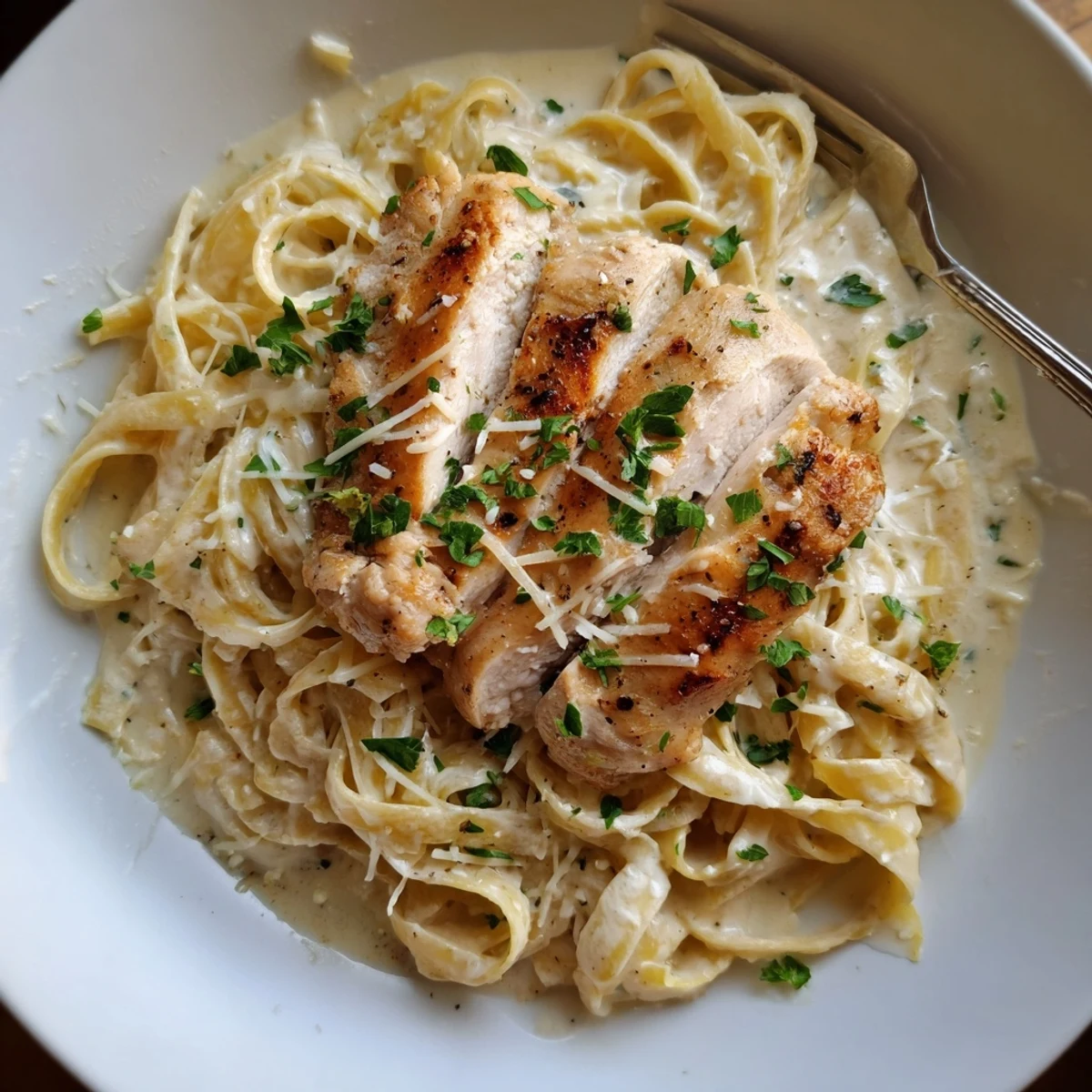
 I hope this pasta brings as much warmth and easy joy to your table as it has to mine. Sometimes, the best comfort dishes are the ones that start out with little planning and end up as new family favorites.
Recipe FAQs
- → How do I ensure the chicken stays tender?
-
Pat the breasts dry and sear over medium-high heat to develop color without overcooking. Rest the cooked chicken briefly before slicing to allow juices to redistribute, which keeps the meat moist.
- → What’s the purpose of reserved pasta water?
-
Reserved pasta water contains starch that helps loosen and emulsify the cream sauce, giving it a silky texture and helping the sauce cling to the pasta.
- → Can I swap the pasta type or protein?
-
Yes. Use linguine, tagliatelle, or fettuccine for similar results. Substitute cooked shrimp or sautéed mushrooms for a different protein or vegetarian variation.
- → How can I adjust the sauce consistency?
-
Simmer a bit longer to thicken, or add small splashes of reserved pasta water to loosen. Reduce the cream slightly before adding cheese for a richer, thicker sauce.
- → What cheese alternatives work well?
-
Parmigiano-Reggiano provides the best savory depth, but aged Pecorino Romano or a blend of Parmesan and Grana Padano can also add robust flavor.
- → How should leftovers be stored and reheated?
-
Cool quickly, refrigerate in an airtight container for up to 3 days. Reheat gently on low heat with a splash of broth or cream to restore sauce texture, stirring until warmed through.