 Pin it
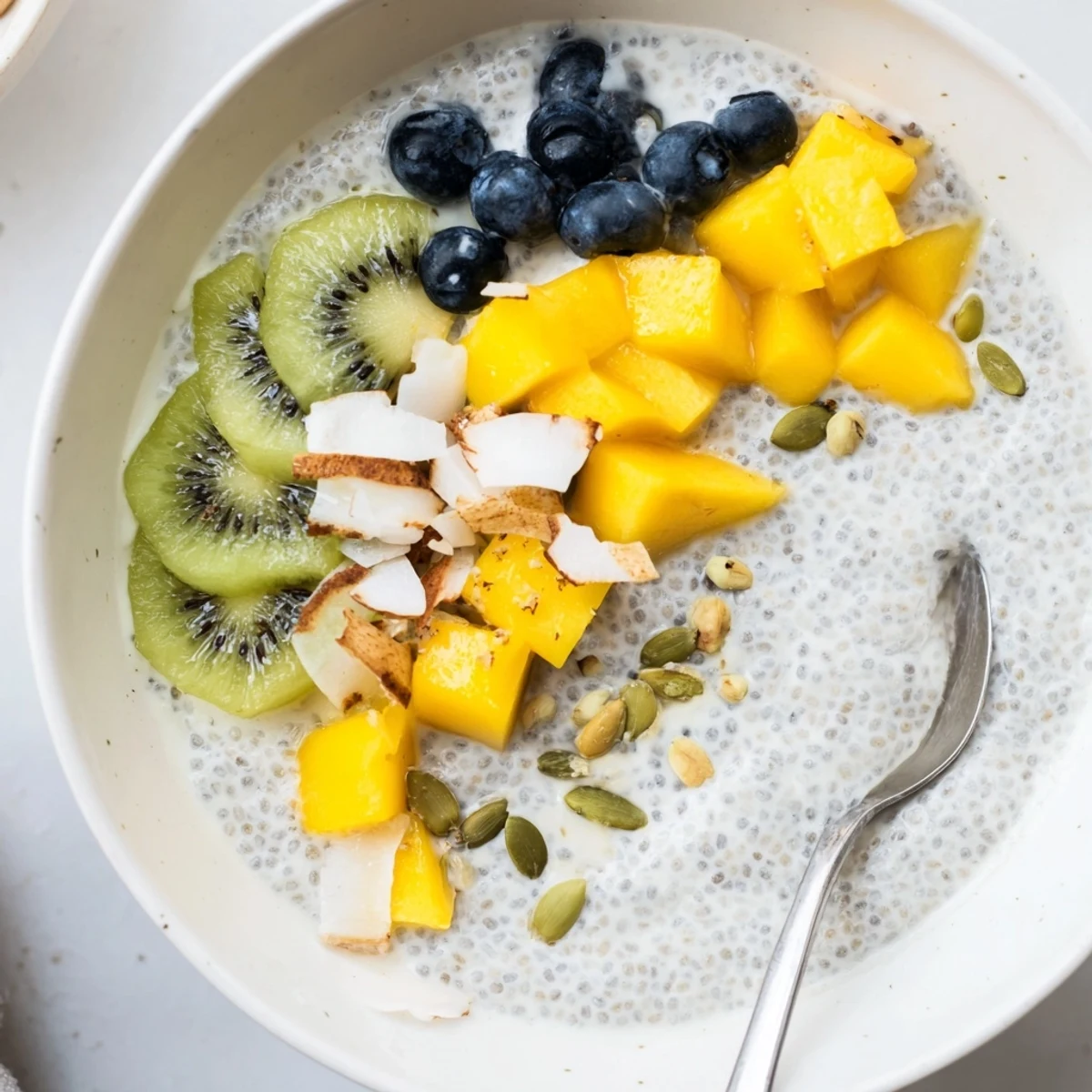
 Whisk full-fat coconut milk with maple syrup, vanilla and a pinch of salt, then stir in chia seeds and chill at least 4 hours until thick. Stir again, portion into glasses and top with mango, berries, toasted coconut flakes and chopped nuts. For a thinner texture add 50–100 ml extra coconut milk; refrigerate covered up to 4 days. Contains tree nuts (coconut).
The clinking of my whisk against a chilled glass bowl always reminds me that something easy and delightful is about to happen in my kitchen. The first time I made coconut chia pudding, I didn’t expect much more than a quick breakfast experiment, but the magic was in how those tiny seeds swelled into creamy perfection while I wasn’t even looking. There’s a certain satisfaction in assembling everything the night before and letting time and cool air do the rest. If you enjoy dishes that practically prepare themselves, this one’s bound to charm you.
One Saturday morning, I surprised a half-awake roommate with a glass of this pudding topped with vibrant kiwi slices and toasted coconut. Her sleepy grin and the faint sound of birds outside made the simple act of sharing breakfast feel like a tiny, unexpected celebration. Moments like that remind me that even a humble pudding can spark a little joy at the kitchen table—no special occasion required.
Ingredients
- Canned coconut milk (400 ml): I prefer using full-fat for the creamiest texture, but light works too—just shake the can well before opening.
- Maple syrup or honey (3 tbsp): Maple syrup gives a subtle caramel sweetness, and I like to taste after mixing since each batch of coconut milk is different.
- Pure vanilla extract (1 tsp): Don’t skip this; it brings warmth and depth alongside the coconut flavor.
- Fine sea salt (1/8 tsp): A tiny pinch sharpens and balances all the sweet notes.
- Chia seeds (6 tbsp): Stir them in quickly and evenly for the best pudding consistency—clumping is the enemy here.
- Fresh fruit (1 cup, optional): Mangos and berries add color and tang, and I slice everything just before serving for peak freshness.
- Unsweetened coconut flakes (2 tbsp): Lightly toasting them changes the whole aroma—try it once and you’ll see.
- Chopped nuts or seeds (1 tbsp, optional): A sprinkle of almonds, pistachios, or pumpkin seeds gives the pudding crunch and a nutty twist.
Instructions
- Gather your ingredients:
- Lay out your coconut milk, syrup or honey, vanilla, salt, and chia seeds so nothing is forgotten mid-whisk.
- Mix it up:
- In a medium bowl, whisk coconut milk, sweetener, vanilla, and salt together until the texture looks smooth and inviting.
- Add chia seeds:
- Sprinkle in the chia seeds and whisk vigorously—this is one step where you don’t want to get distracted.
- Chill and wait:
- Cover the bowl and set it in the fridge; after an hour, give it a good stir to break up any sneaky clumps.
- Finish and serve:
- Once it’s thick and silky (usually after 4 hours or overnight), give it a final stir and spoon into serving glasses. Add fruit, coconut flakes, and nuts or seeds as your own finishing touch.
 Pin it
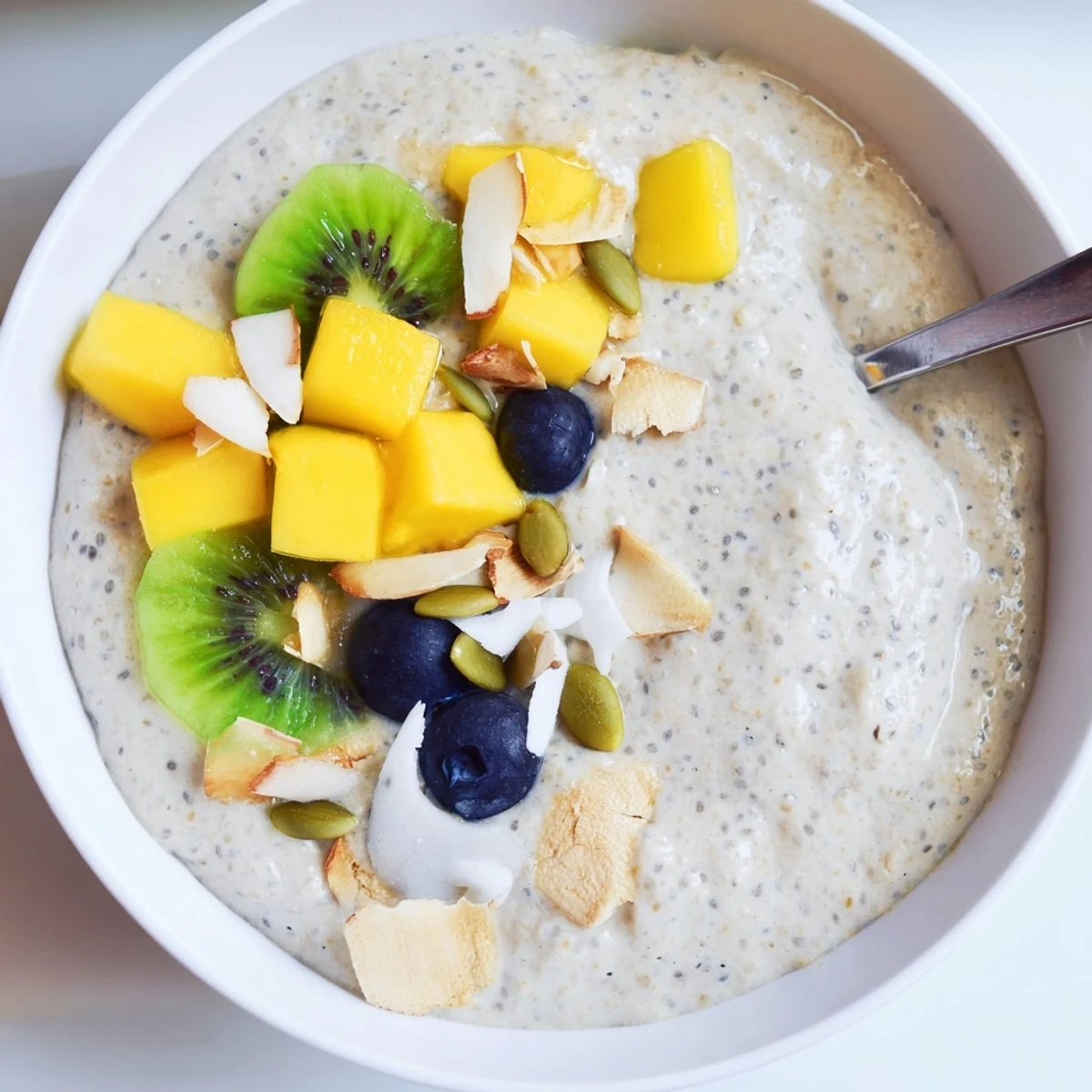
 A few months ago, I brought this pudding to a picnic, nestled in tiny jars with just enough room for mango and toasted pistachios on top. The sunlight was spilling across the grass, and everyone dug in before I’d even passed out the spoons—there was something almost comedic about how quickly those jars emptied. That’s when this simple dessert felt like my contribution to an afternoon of easy laughter and sunburned cheeks.
Choosing Your Coconut Milk
I’ve learned the hard way that some coconut milks split or stay too watery—give the can a good shake before opening and use full-fat for best results if you want a rich, spoonable pudding. Light versions keep things fresher and are great if you prefer a lighter texture, but start with a smaller splash so it doesn’t get runny. And don’t be afraid to taste and tweak—your preference is the secret ingredient here.
All About Chia
The freshest chia seeds bloom into pudding like a charm, but older seeds sometimes give a gritty crunch instead of a smooth bounce. I always buy small bags and store them in the fridge to keep that delicate nuttiness and avoid off flavors. Stirring the mixture twice in the first hour truly matters—it keeps everything luscious, never lumpy, and ensures every spoonful is creamy.
Serving and Storage Tricks
I’ve happily discovered that this pudding keeps in the fridge for up to four days, so you can wake up to a ready-made breakfast or throw together dessert for unexpected guests. Layer fruit and toppings just before serving so everything stays crisp and vibrant. If you’re prepping to-go, tiny mason jars work wonders and make portioning a breeze.
- Let the pudding cool completely before adding any crunchy toppings.
- If using frozen fruit, thaw and drain it first or you’ll get extra liquid in your glass.
- A quick stir before serving refreshes texture after a night in the fridge.
 Pin it
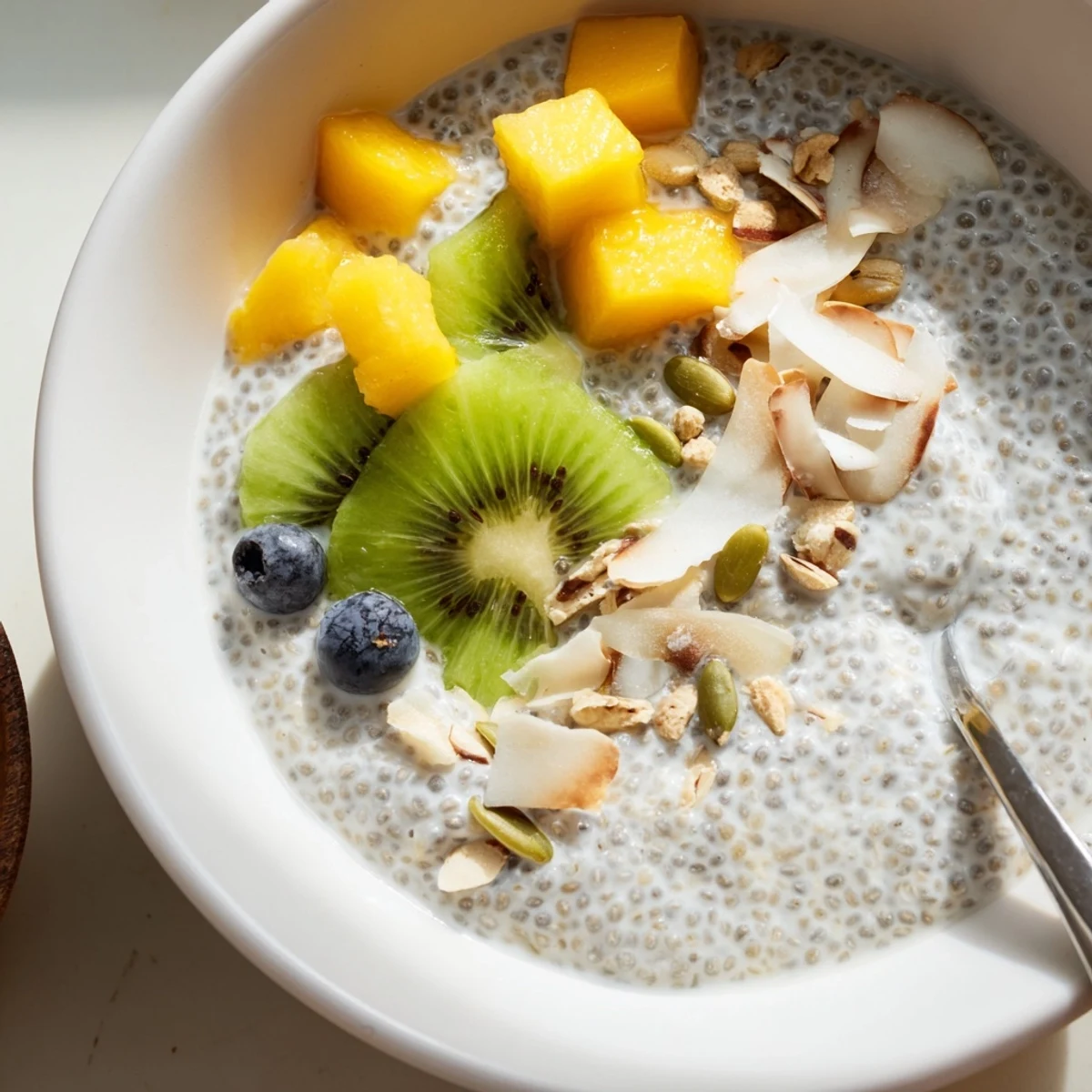
 Every spoonful of this pudding feels like an easygoing treat that asks so little and gives so much. I hope it brings a splash of calm and joy to your mornings or sweet endings.
Recipe FAQs
- → How long does it need to set?
-
Chill at least 4 hours for a proper gel; overnight gives the best texture. Stir once after the first hour to break up clumps for an even set.
- → How can I adjust the thickness?
-
For a thinner consistency, whisk in 50–100 ml extra coconut milk. For a firmer set, use full-fat coconut milk and slightly reduce added liquid.
- → Can I use other milks instead of coconut?
-
Yes, plant milks like almond or oat work, but the pudding will be less creamy and may require a shorter or longer chilling time; full-fat coconut yields the creamiest result.
- → What are good sweetener alternatives?
-
Maple syrup, agave, or honey (if not strictly vegan) all work. Start with the listed amount and adjust to taste, keeping in mind fruit toppings add natural sweetness.
- → How should I store leftovers?
-
Keep covered in the refrigerator for up to 4 days. Stir before serving to refresh the texture; cold servings are best.
- → Any tips for nut allergies?
-
Omit chopped nut toppings and use seeds (pumpkin, sunflower) or toasted oats for crunch. Always check labels to avoid cross-contact with tree nuts.