 Pin it
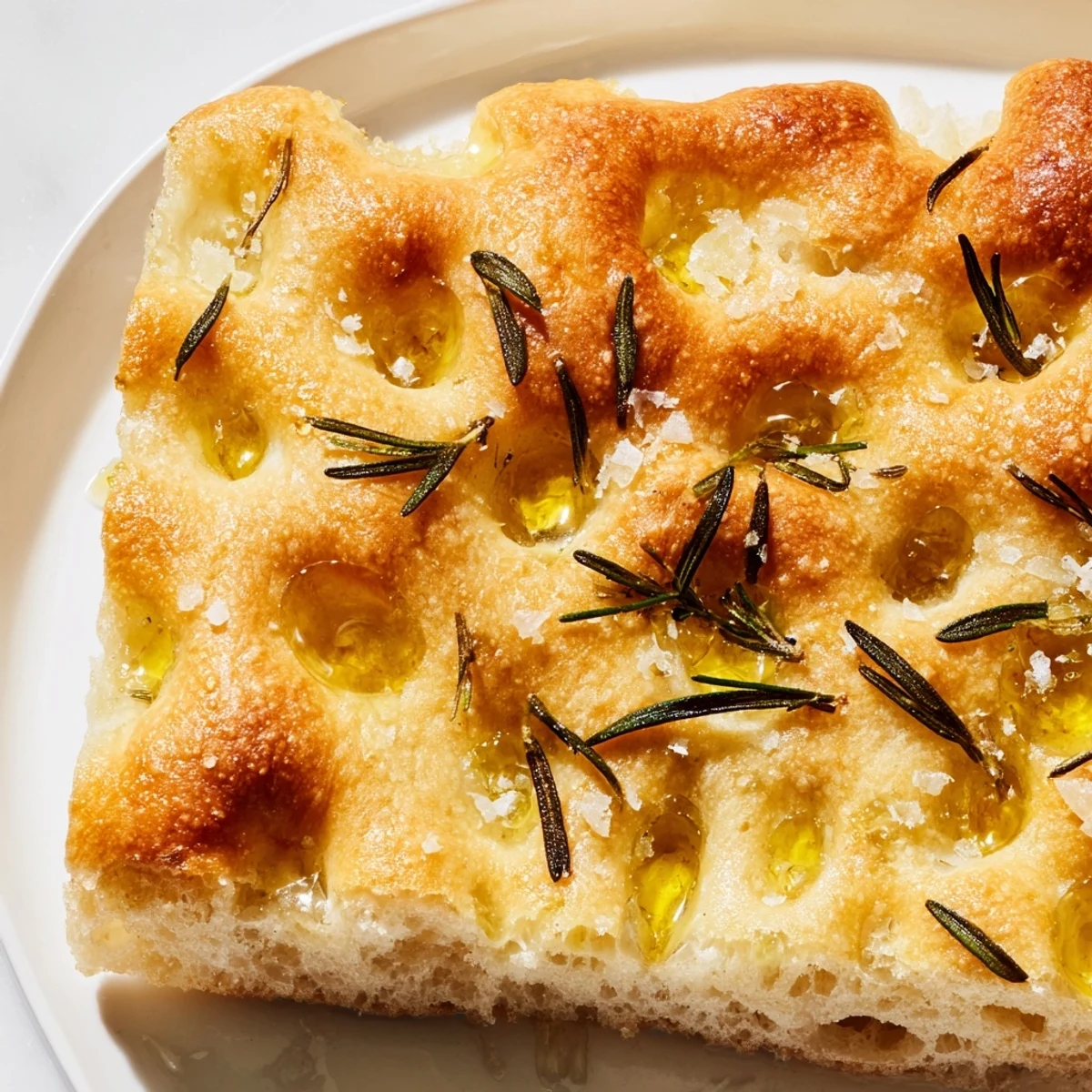
 Create an authentic Italian focaccia with a perfectly crispy exterior and airy, soft interior. This beloved flatbread gets its signature texture from generous olive oil and traditional dimpling technique, while fresh rosemary and flaky sea salt provide classic Mediterranean flavor.
The process involves a simple yeast dough that rises for about an hour before being pressed into a baking sheet. The characteristic dimpled surface captures pools of olive oil, creating those irresistible crispy, golden pockets that make focaccia so addictive.
Perfect served warm alongside pasta dishes, as a base for sandwiches, or simply torn and enjoyed with extra virgin olive oil and balsamic vinegar for dipping.
The sound of dough slapping against the counter on a lazy Sunday afternoon is something I never get tired of, and focaccia was the first bread that made me feel like I actually knew what I was doing in the kitchen. My apartment would fill with the smell of olive oil and rosemary, and even the neighbor once knocked to ask what was baking. There is something deeply satisfying about pressing your fingers into pillowy dough and watching it puff up in the oven like it has a mind of its own.
I once brought a pan of this to a potluck dinner and watched three people hover over it, tearing off warm pieces before the main course was even served. One friend stood guard and politely told latecomers they were lucky any was left.
Ingredients
- Bread flour (500 g): Bread flour gives the best chewy texture, but all purpose works fine if that is what you have on hand.
- Lukewarm water (325 ml): Think warm bath temperature, not hot, because scalding water kills the yeast instantly.
- Salt (2 tsp): Do not skip or reduce this, because salt is what makes focaccia taste like focaccia and not like bland foam.
- Sugar (2 tsp): Just enough to wake up the yeast and give it something to feed on.
- Instant dry yeast (7 g): One packet is exactly right, and instant means you can mix it straight in without blooming.
- Extra virgin olive oil (60 ml in dough plus 2 tbsp for topping): This is not the place for cheap oil, so use the good stuff with a peppery finish.
- Fresh rosemary (1 tbsp) or dried (1 tsp): Fresh is a game changer, but dried works in a pinch and still perfumes the whole bread beautifully.
- Flaky sea salt: A generous finishing sprinkle of flaky salt on top is what makes each bite pop.
Instructions
- Mix the dry team:
- Combine the flour, salt, sugar, and instant yeast in a large bowl and whisk them together so everything is evenly distributed before the wet ingredients join the party.
- Bring in the liquids:
- Pour in the lukewarm water and olive oil, then stir with a wooden spoon or your hand until you have a sticky, shaggy dough that looks like it might be a mess. That sticky texture is exactly what you want, so resist the urge to add more flour.
- Knead with patience:
- Turn the dough onto a floured surface and knead for 8 to 10 minutes until it transforms into something smooth, elastic, and slightly tacky but not clinging to your fingers.
- Let it rest and rise:
- Place the dough in a lightly oiled bowl, cover it with a damp cloth or plastic wrap, and tuck it somewhere warm for 1 to 1.5 hours until it has puffed up and doubled in size.
- Press and dimple:
- Generously oil your baking tray, gently transfer the dough onto it, and use your fingertips to press it out evenly, creating those classic little dimples that catch pools of olive oil.
- Dress it up:
- Drizzle the top with extra olive oil, scatter the rosemary over the surface, and sprinkle generously with flaky sea salt.
- Second rise:
- Cover the tray and let the dough rest for another 30 minutes while you preheat the oven to 220 degrees Celsius so it is roaring hot and ready.
- Bake until golden:
- Slide the tray into the oven and bake for 20 to 25 minutes until the top is deeply golden and the bottom sounds hollow when tapped.
- Cool and devour:
- Let it cool just long enough that you do not burn your tongue, then slice it into squares or just tear off pieces with your hands.
 Pin it
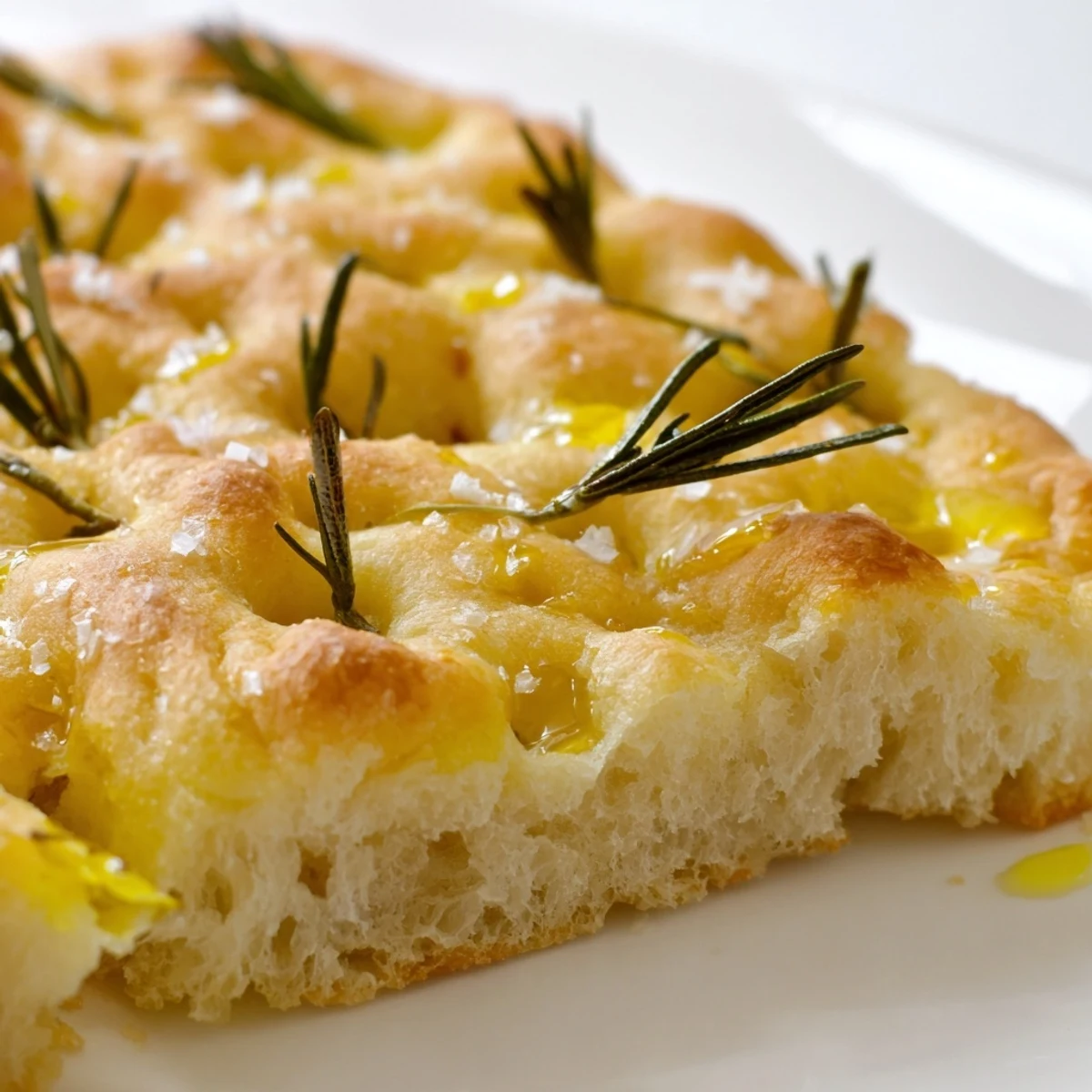
 The first time I pulled a perfect focaccia from the oven, I stood in the kitchen eating piece after piece standing up, and it felt like the bread had been worth every single minute of waiting.
Fun Ways to Change It Up
Press halved cherry tomatoes into the dimples before baking, and they will collapse into sweet jammy pockets that burst when you bite. Sliced olives, caramelized onions, or thin rings of bell pepper also turn a simple focaccia into something that looks like it came from a bakery case.
Serving Suggestions Worth Trying
Warm focaccia dipped into a shallow plate of olive oil and balsamic vinegar is the kind of simple pleasure that needs no improvement. It also makes an incredible sandwich bread if you split it horizontally and layer with provolone, prosciutto, and peppery greens.
Tools and Kitchen Setup
You do not need fancy equipment, but a proper baking tray around 30 by 40 cm gives the dough room to spread into that classic rectangular shape. A pizza stone preheated in the oven will give you an extra crispy base if that is the texture you crave.
- A damp kitchen towel works better than plastic wrap for covering because it keeps the surface from drying out without sealing in too much moisture.
- Measure the olive oil for the tray generously, because the oil that pools underneath fries the bottom into a golden crust.
- Always check that your yeast is not expired before starting, because dead yeast means flat bread and a wasted afternoon.
 Pin it
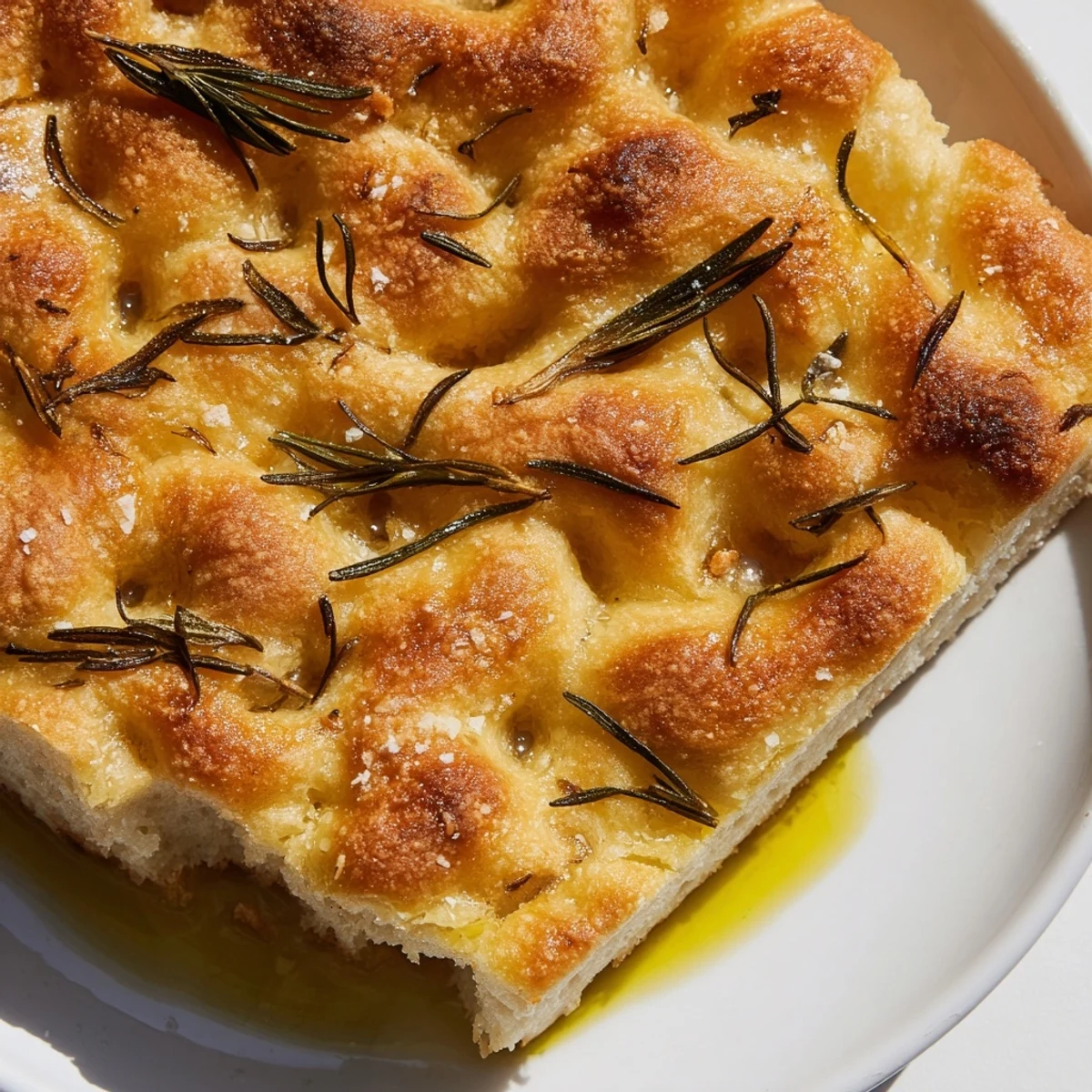
 Focaccia is the kind of recipe that turns an ordinary afternoon into something warm and shared, and once you master it, you will find yourself making it on autopilot whenever someone you love walks through the door.
Recipe FAQs
- → What makes focaccia different from regular bread?
-
Focaccia is a high-hydration Italian flatbread enriched with generous amounts of olive oil throughout the dough and on top. The characteristic dimpled surface creates crispy, golden pockets while keeping the interior exceptionally soft and airy. Unlike regular bread, it's meant to be eaten flat and serves as both a side dish and a base for other toppings.
- → Why is my focaccia not rising properly?
-
Make sure your water is lukewarm (not hot) to activate the yeast without killing it. Also ensure your yeast is fresh and not expired. The dough needs a warm, draft-free place to rise—try the oven with just the light on, or near a warm appliance. Give it at least 1-1.5 hours to double in size.
- → Can I use all-purpose flour instead of bread flour?
-
Yes, all-purpose flour works well for focaccia. Bread flour will give you slightly more chew and structure due to higher protein content, but all-purpose produces excellent results. The high olive oil content ensures the bread remains tender regardless of flour type.
- → What other toppings can I add to focaccia?
-
Classic variations include halved cherry tomatoes, black olives, thinly sliced red onion, or caramelized onions pressed into the dimpled surface. You can also add fresh thyme, oregano, or garlic slices. Add toppings after the first rise, before the final 30-minute proof.
- → How do I store focaccia and how long does it last?
-
Store focaccia wrapped in plastic or in an airtight container at room temperature for up to 2 days. For longer storage, freeze whole or sliced pieces wrapped tightly in plastic and foil for up to 3 months. Reheat in a 350°F oven for 5-10 minutes to restore crispness.
- → What should I serve with focaccia?
-
Focaccia pairs beautifully with Italian dishes like pasta, soups, and salads. It's excellent for sandwiches, torn into pieces for dipping in olive oil and balsamic vinegar, or served alongside antipasto platters. Also delicious warmed slightly and spread with pesto or tapenade.