 Pin it
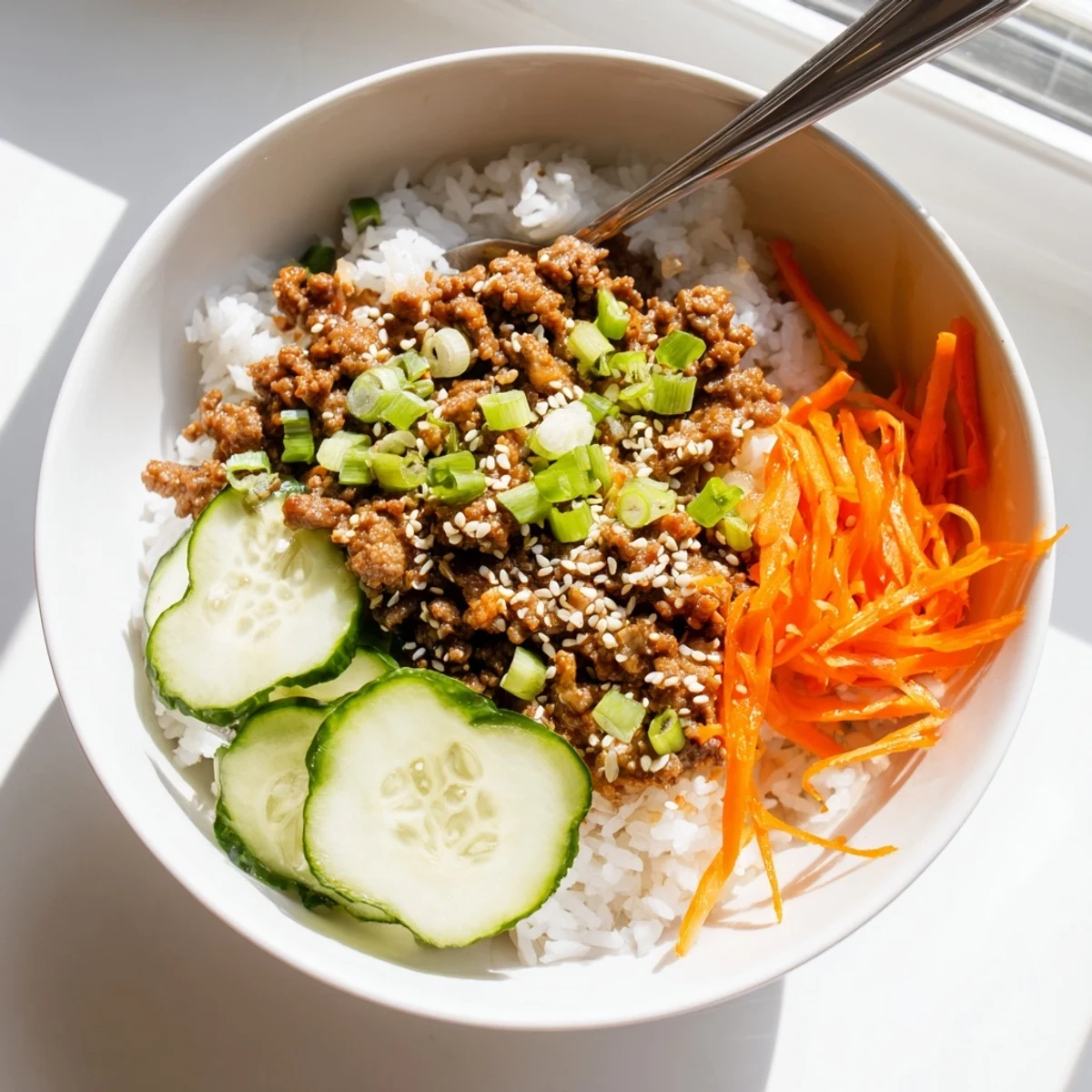
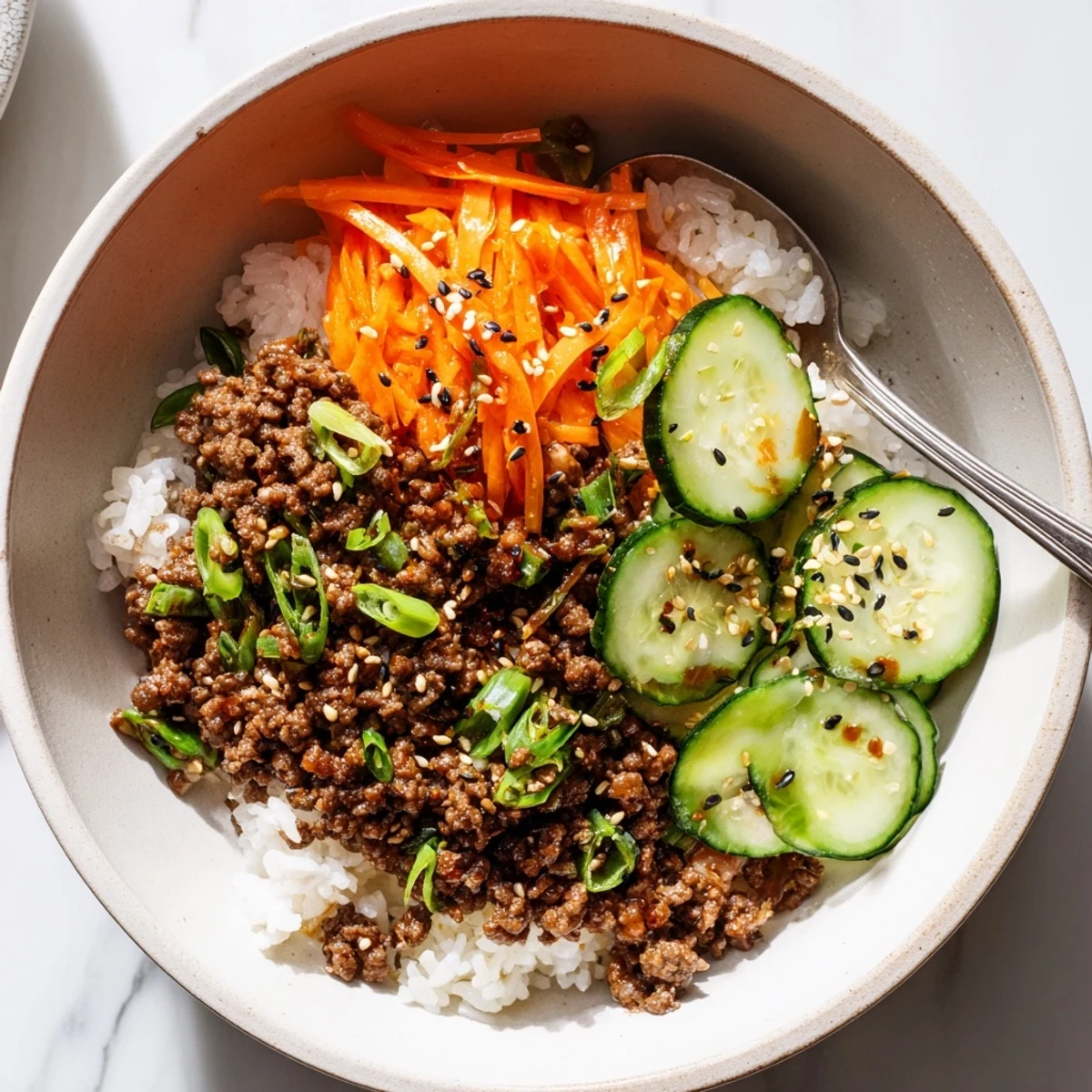
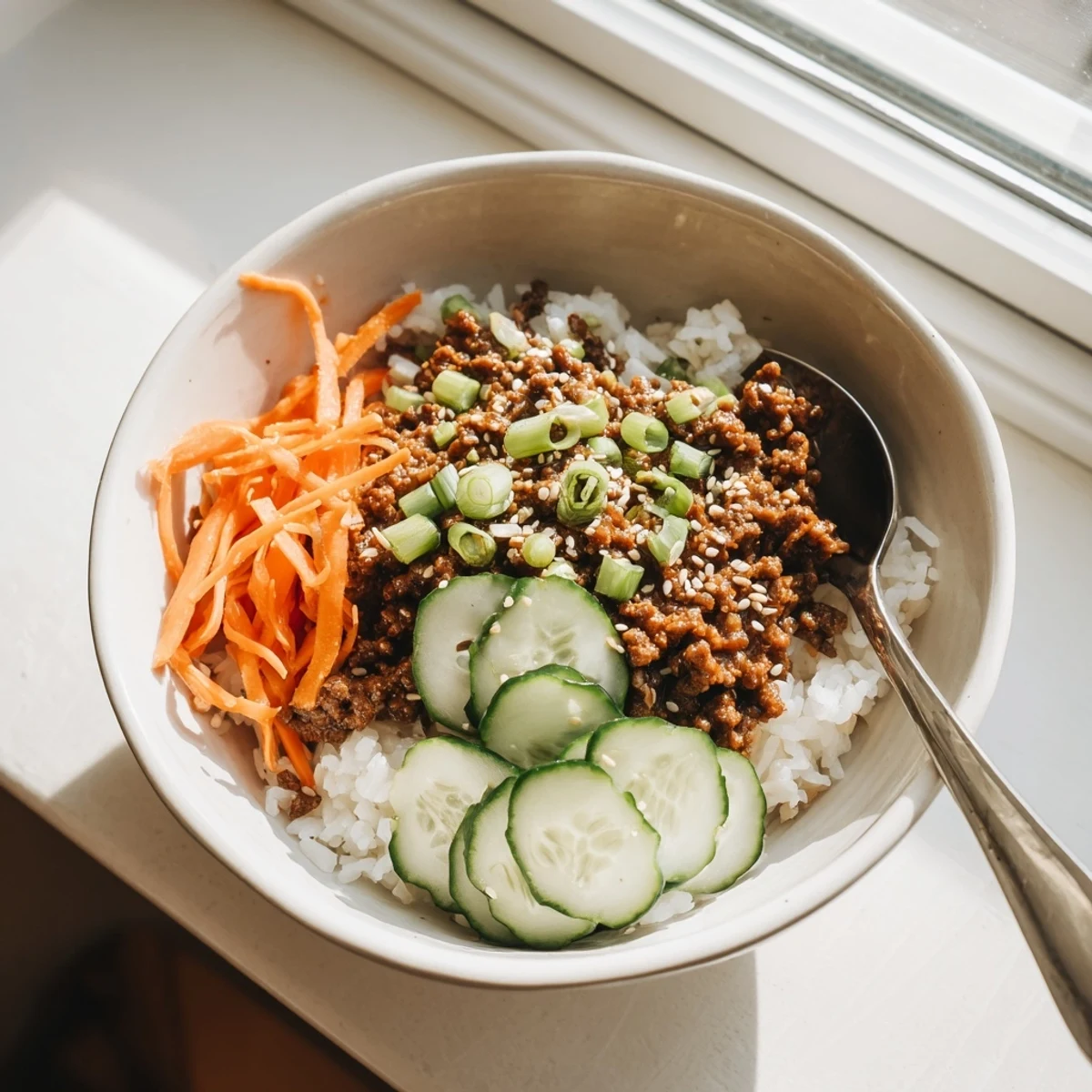
 These satisfying Korean-inspired bowls feature seasoned ground beef cooked in a savory-sweet sauce of soy sauce, brown sugar, sesame oil, garlic, ginger, and gochujang. The beef is served over steamed jasmine rice and topped with crisp julienned carrots, cucumber slices, scallions, and toasted sesame seeds for texture and freshness.
The preparation comes together quickly—brown the beef, whisk together the simple sauce, combine them in the skillet, and serve over rice. The balance of savory, sweet, and slightly spicy flavors makes this a crowd-pleasing dinner option.
My tiny apartment kitchen smelled like garlic and sesame oil, which is basically the universal signal that something good is happening. I'd been craving those Korean beef bowls from that spot downtown, but my bank account said otherwise, so I decided to recreate the magic at home. The first batch was aggressively salty, but by the third try, I'd nailed the balance of sweet and savory that makes this dish so addictive.
Last winter, my roommate walked in mid-cooking and literally stopped in her tracks, asking what smelled so incredible. We ended up eating these bowls on the floor of our living room while watching Korean dramas, and it became this unexpected weekly ritual that got us through a pretty brutal season. Something about the warm rice and that glossy, caramelized beef just feels like comfort.
Ingredients
- 500 g (1 lb) lean ground beef: Ground beef creates that perfect crumbled texture that soaks up the sauce, but I've learned that draining the excess fat keeps it from feeling too heavy.
- 60 ml (1/4 cup) low-sodium soy sauce: Regular soy sauce can make the dish too salty, so I always reach for low-sodium and adjust with a pinch of sea salt if needed.
- 2 tbsp light brown sugar: The molasses in brown sugar adds a depth that white sugar just can't achieve, helping create that glossy finish on the beef.
- 1 tbsp sesame oil: Toasted sesame oil is non-negotiable here, it's what gives the dish its signature nutty aroma.
- 4 garlic cloves, minced: Fresh garlic is essential, jarred minced garlic lacks that sharp bite that cuts through the rich beef.
- 1 tbsp freshly grated ginger: I use a microplane to grate the ginger into almost a paste, which distributes the flavor more evenly than minced chunks.
- 1 tbsp gochujang: This Korean chili paste adds a subtle heat and fermented depth, but red pepper flakes work in a pinch if you can't find it.
- 2 tsp rice vinegar: A splash of acidity cuts through the sweetness and balances the rich beef.
- 300 g (1 1/2 cups) jasmine rice: Jasmine rice has this natural floral sweetness that pairs beautifully with the bold Korean flavors.
- 2 medium carrots, julienned: Fresh carrots add crunch and sweetness that contrasts perfectly with the warm, savory beef.
- 1 small cucumber, thinly sliced: Cool cucumber provides a refreshing break between bites of spiced beef.
- 4 scallions, thinly sliced: I use both the white and green parts, the whites add sharpness while the greens bring a mild onion flavor.
- 2 tbsp toasted sesame seeds: Toast your own sesame seeds in a dry pan for 2 minutes until fragrant, it makes a huge difference.
Instructions
- Get the rice going first:
- Rinse the rice under cold water until it runs clear, then combine with 480 ml water in a saucepan. Bring it to a boil, reduce heat to low, cover tightly, and let it simmer for 12 to 15 minutes until all the water is absorbed. Fluff gently with a fork and keep it covered until you're ready to assemble.
- Whisk together the sauce:
- In a small bowl, combine the soy sauce, brown sugar, sesame oil, garlic, ginger, gochujang, and rice vinegar. Whisk until the sugar has completely dissolved and the mixture is smooth, tasting to adjust the heat level.
- Brown the beef:
- Heat a large skillet over medium-high heat and add the ground beef, breaking it up with a spatula as it cooks. Let it get nice and browned, about 5 minutes, then drain any excess fat before moving on.
- Add the magic:
- Pour the sauce over the browned beef and stir constantly for 2 to 3 minutes, letting the sauce bubble and thicken until it coats every piece of meat in a glossy, caramelized glaze.
- Build your bowls:
- Divide the steaming rice among four bowls, then top with generous portions of the saucy beef. Arrange the carrots, cucumber, scallions, and sesame seeds on top, adding kimchi or cilantro if you're feeling extra.
 Pin it
 This recipe became my go-to for comforting friends who were going through tough times, something about the combination of warm rice and that deeply savory beef just feels like a hug in a bowl. I've made it for breakups, job losses, and just regular old Tuesdays when someone needed a little extra care.
Make It Your Own
I've discovered that ground turkey or chicken works beautifully here if you're trying to lighten things up, just keep in mind that leaner meats might need a splash more sesame oil to prevent drying out. For a vegetarian version, crumbled extra-firm tofu or even mushrooms can stand in for the beef, and you'll want to increase the soy sauce slightly to compensate for the lack of meaty richness.
Rice Wisdom
Short-grain white rice is traditional and creates those perfect sticky clumps that are easy to pick up with chopsticks, but jasmine rice adds a lovely floral note that I've grown to love. Whatever rice you choose, rinsing it until the water runs clear is the step most people skip, but it's what prevents gummy, clumpy rice and gives you those separate, fluffy grains.
Leftover Magic
These bowls actually taste even better the next day, once the beef has had time to marinate in its own sauce and the flavors have deepened. I pack the rice and beef separately for lunch and add fresh vegetables right before eating, which keeps everything from getting sad and soggy.
- Double the beef mixture and freeze half for an instant dinner on busy nights.
- Fried eggs on top with runny yolks create this incredible creamy sauce when mixed into the rice.
- Keep sliced vegetables in separate containers so they stay crisp and don't wilt.
 Pin it
 There's something deeply satisfying about a meal that comes together this quickly but tastes like it simmered all day. These bowls have saved me more weeknights than I can count, and I hope they become a staple in your kitchen too.
Recipe FAQs
- → Can I make this gluten-free?
-
Yes, simply substitute tamari for the soy sauce and ensure your gochujang is certified gluten-free, as some brands contain wheat.
- → What protein alternatives work well?
-
Ground turkey or chicken create a lighter version, while crumbled tofu absorbs the bold flavors beautifully for a vegetarian option.
- → How can I adjust the spice level?
-
Reduce or omit the gochujang and red pepper flakes for mild heat, or increase them for extra kick. The base flavors remain delicious either way.
- → Can I prepare components ahead?
-
The sauce can be whisked together and stored refrigerated for up to a week. Vegetables can be prepped a day in advance and kept chilled in airtight containers.
- → What other toppings work well?
-
Fresh cilantro, pickled radishes, sliced avocado, fried eggs, or extra kimchi add wonderful variety. Sriracha or additional gochujang can be served on the side.
- → Is brown rice a good substitute?
-
Absolutely. Brown rice adds nutty flavor and extra fiber, though it will require a longer cooking time and more water than white rice.